
DOHA, Qatar — March 9, 2026 — Parliament News — Diplomatic discussions across the Gulf intensified in June 2026 as Qatar Iran tensions became a central topic in regional political dialogue. Officials in Doha and Tehran have exchanged statements reflecting growing concern about security developments and diplomatic misunderstandings that could affect stability in the Gulf region.
Regional observers say the current phase of Qatar Iran tensions highlights the delicate balance between cooperation and competition that has long defined relations between the two countries. Qatar and Iran share economic interests, particularly in the energy sector, but their political priorities sometimes differ in ways that influence diplomatic relations.
In recent weeks, the discussion surrounding Qatar Iran tensions has drawn the attention of policymakers, diplomats, and analysts who are evaluating how the situation might shape regional diplomacy in the coming months.
Doha’s Diplomatic Environment in 2026
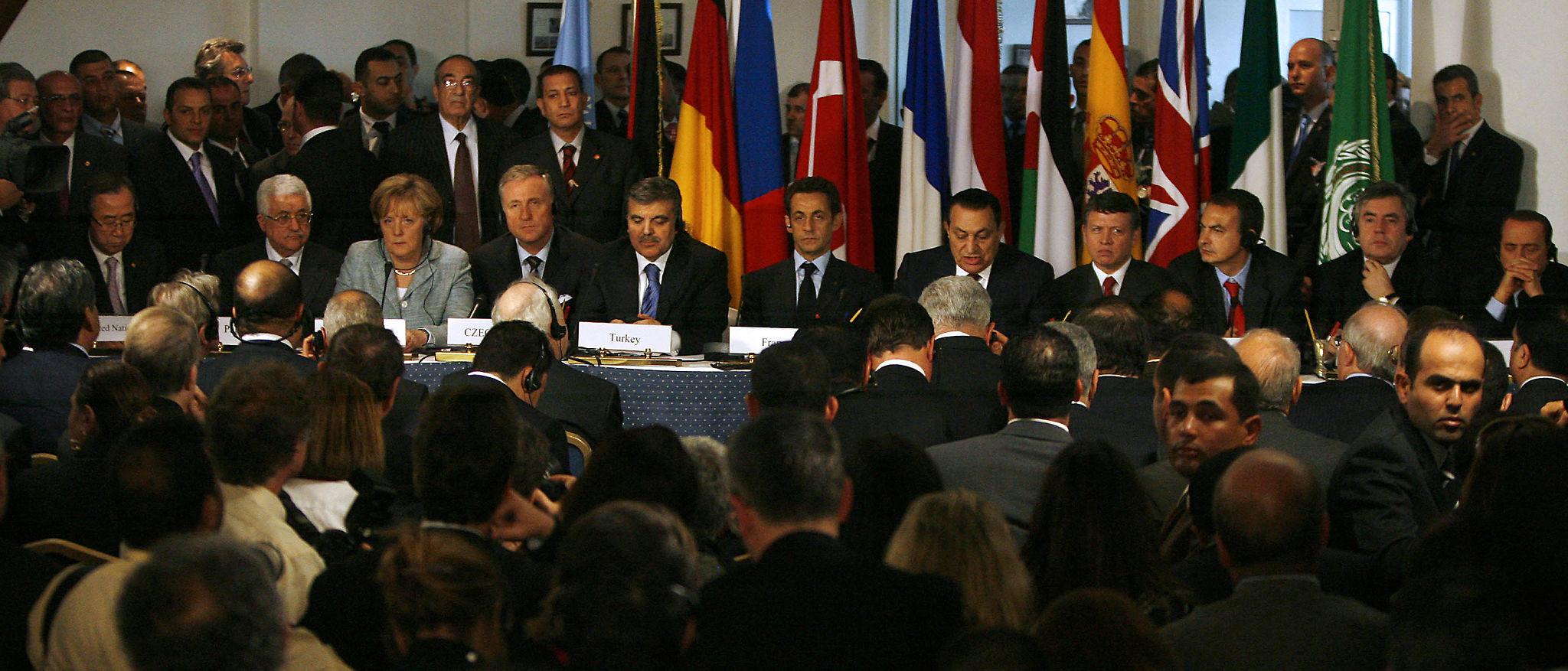
Doha has long positioned itself as a diplomatic hub in the Middle East. The city frequently hosts negotiations and international meetings aimed at resolving conflicts or improving communication between governments.
However, the current debate over Qatar Iran tensions illustrates how even countries known for diplomatic engagement can face challenges when regional politics become more complex.
Officials in Qatar have emphasized the importance of maintaining open channels of communication with neighboring countries. Diplomats say this approach has often helped reduce misunderstandings during periods of geopolitical pressure.
The emergence of Qatar Iran tensions in current discussions reflects how regional dynamics continue evolving in response to political, economic, and security developments.
Iran’s Strategic Influence in the Gulf
Iran plays a central role in the geopolitical landscape of the Middle East. With significant military capabilities and extensive energy resources, Tehran remains one of the most influential actors in the region.
The conversation about Qatar Iran tensions therefore involves not only bilateral relations but also the broader strategic balance within the Gulf.
Iran’s relationships with neighboring countries often involve a mixture of cooperation, competition, and diplomatic negotiation. Analysts say these dynamics shape the environment in which Qatar Iran tensions are currently being discussed.
Many regional governments continue to monitor developments closely, recognizing that changes in diplomatic relationships can have far reaching consequences.
Economic Links Between Qatar and Iran
Despite political disagreements, Qatar and Iran share economic interests that have historically encouraged dialogue.
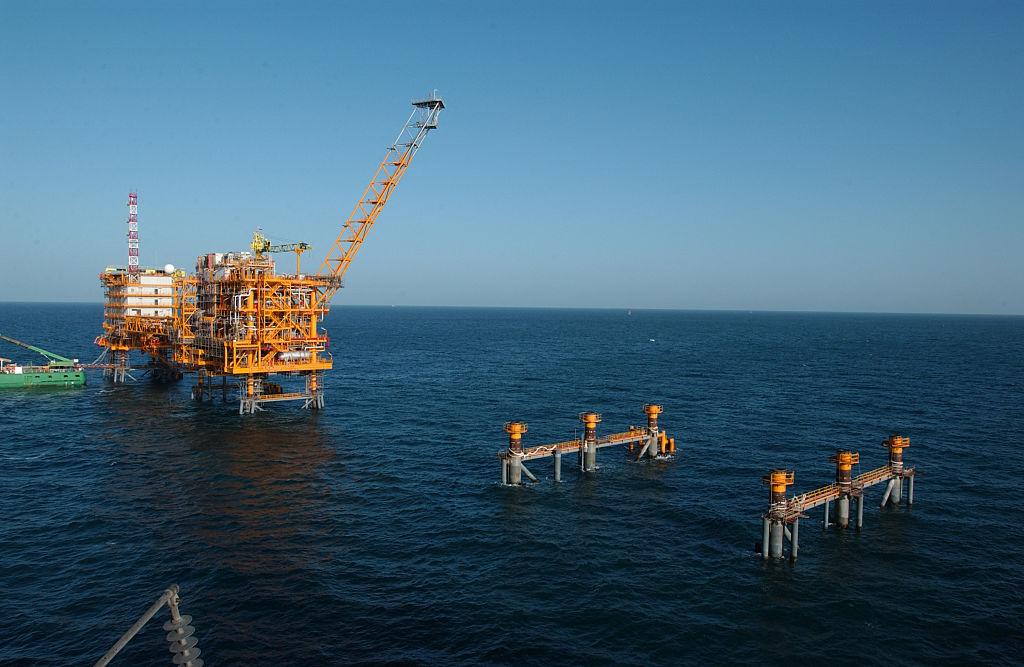
Both nations control significant portions of the South Pars North Dome gas field, the largest natural gas reserve in the world. Cooperation in managing this resource has required ongoing communication between energy authorities from both countries.
Because of these shared economic interests, the issue of Qatar Iran tensions carries implications for global energy markets as well as regional diplomacy.
Energy analysts say that economic cooperation often acts as a stabilizing factor even during periods of political disagreement.
However, the current situation surrounding Qatar Iran tensions has raised questions about whether diplomatic differences could eventually affect economic partnerships.
Regional Security Concerns
Security considerations remain central to the ongoing conversation about Qatar Iran tensions.
The Middle East continues to face a complex network of alliances, rivalries, and political negotiations. Military developments in one country can quickly influence the strategic environment across the region.
Regional leaders have therefore emphasized the importance of maintaining stability while addressing disagreements through diplomatic channels.
The current situation involving Qatar Iran tensions illustrates how regional security concerns can intersect with political and economic considerations.
Analysts warn that even small diplomatic disputes can have broader implications when regional tensions are already high.
International Diplomatic Reaction
The global diplomatic community has taken notice of developments connected to Qatar Iran tensions.
Officials in Europe, Asia, and North America have expressed support for dialogue between regional leaders aimed at preventing misunderstandings from escalating.
International organizations have also encouraged diplomatic engagement as the most effective method for addressing disagreements.
Observers say the attention surrounding Qatar Iran tensions demonstrates how closely the international community watches developments in the Gulf.
Stability in the region remains crucial for global trade, energy supplies, and geopolitical security.
The History of Qatar Iran Relations
The history of relations between Qatar and Iran provides important context for understanding the current diplomatic environment.
For decades, both countries have navigated a relationship shaped by shared economic interests, regional political dynamics, and occasional disagreements.
The discussion surrounding Qatar Iran tensions reflects this long history of balancing cooperation with strategic caution.
During certain periods, the two countries have worked closely together on economic projects and diplomatic initiatives. At other times, geopolitical developments have created challenges for bilateral relations.
Understanding this historical background helps explain why Qatar Iran tensions can attract significant attention whenever diplomatic disagreements emerge.
Economic and Energy Market Implications
Energy markets around the world are closely connected to developments in the Gulf region.
Qatar is one of the world’s largest exporters of liquefied natural gas, while Iran possesses vast reserves of oil and gas that influence global supply chains.
Because of these factors, investors and analysts carefully monitor situations involving Qatar Iran tensions.
Changes in diplomatic relations between energy producing countries can influence global market expectations and trade patterns.
Financial analysts say that stability in the Gulf remains a key priority for international energy markets.
One Analyst’s Observation
Political analysts studying Gulf diplomacy often emphasize the importance of communication between regional governments.
One expert in Middle Eastern policy explained the situation:
“Diplomatic relationships in the Gulf require constant dialogue because even small misunderstandings can affect the broader regional balance.”
This observation reflects the delicate nature of the discussions surrounding Qatar Iran tensions.
Regional Diplomacy at a Crossroads
The evolving diplomatic environment suggests that the Gulf region may be entering an important period of strategic reassessment.
Governments are considering how to maintain cooperation on economic and security issues while addressing political disagreements.
The discussion surrounding Qatar Iran tensions represents one of the many challenges policymakers must navigate in this environment.
Diplomats continue working to ensure that communication between governments remains open.
Observers say these efforts will play a crucial role in determining whether tensions ease or continue to influence regional politics.
Global Implications for Stability
Developments involving Qatar Iran tensions also hold significance for the international community.
Stability in the Gulf is closely tied to global energy supplies, trade routes, and diplomatic cooperation.
Governments around the world recognize that maintaining constructive dialogue between regional actors is essential for preventing broader conflicts.
The current diplomatic discussions illustrate how regional relationships can influence global geopolitical dynamics.
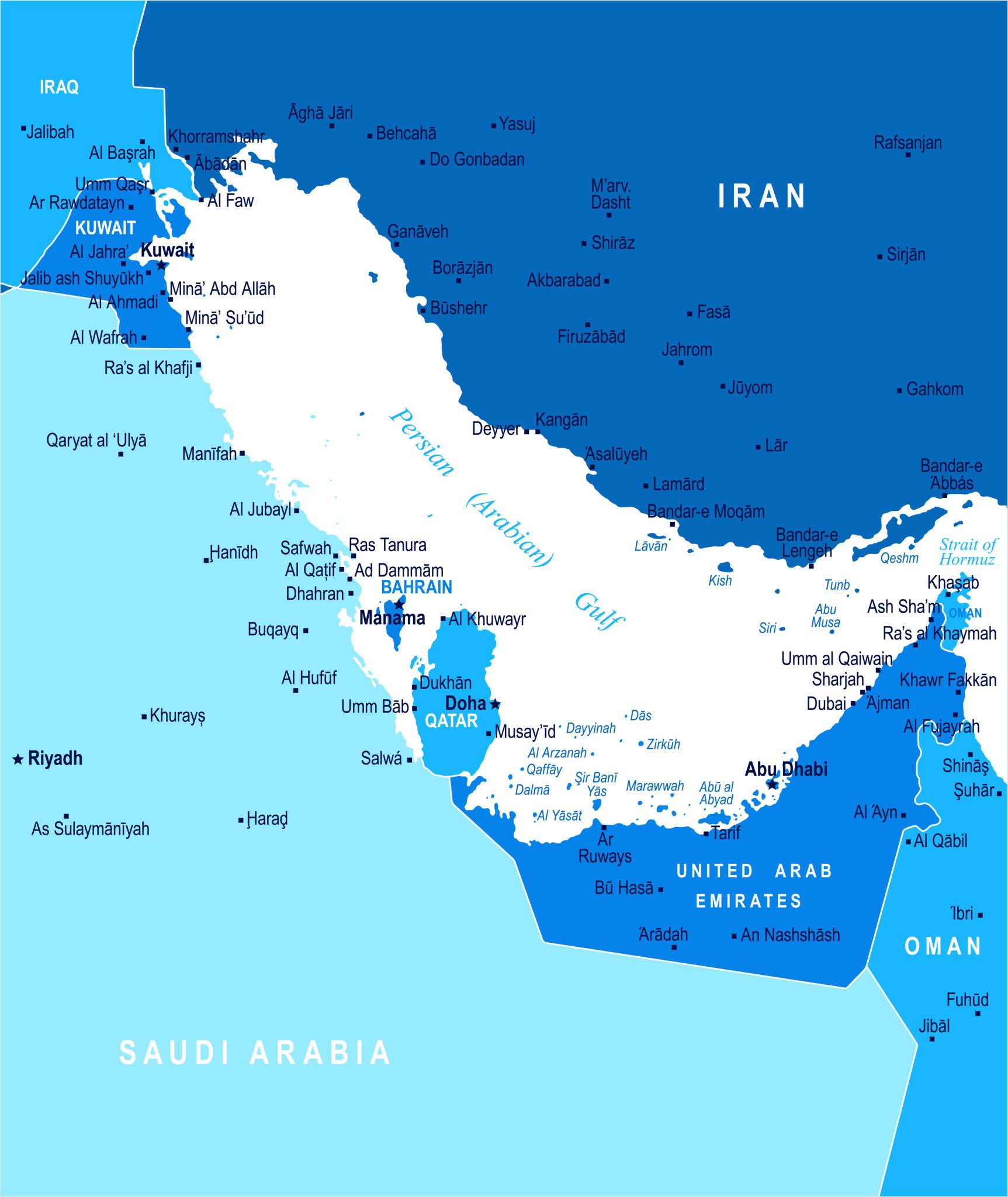
A New Chapter in Gulf Diplomacy
As discussions continue in 2026, many analysts believe the situation may ultimately encourage renewed diplomatic engagement.
Both Qatar and Iran have historically recognized the importance of maintaining communication even during periods of disagreement.
The evolving conversation about Qatar Iran tensions may therefore lead to additional diplomatic initiatives aimed at strengthening regional cooperation.
Observers say that dialogue and economic partnerships remain powerful tools for maintaining stability.
What the Current Qatar Iran Tensions Mean for the Gulf ?
The developments unfolding in Doha and across the Gulf illustrate the complex nature of modern regional diplomacy.
The discussion surrounding Qatar Iran tensions highlights how political disagreements, economic partnerships, and security concerns often intersect within the Middle East.
While the current situation has raised concerns among policymakers, it has also reinforced the importance of diplomatic communication and cooperation.
Regional leaders, international organizations, and economic stakeholders all recognize that maintaining stability in the Gulf remains a critical global priority.
The coming months will likely determine whether dialogue between the two nations can ease tensions and strengthen diplomatic confidence throughout the region.