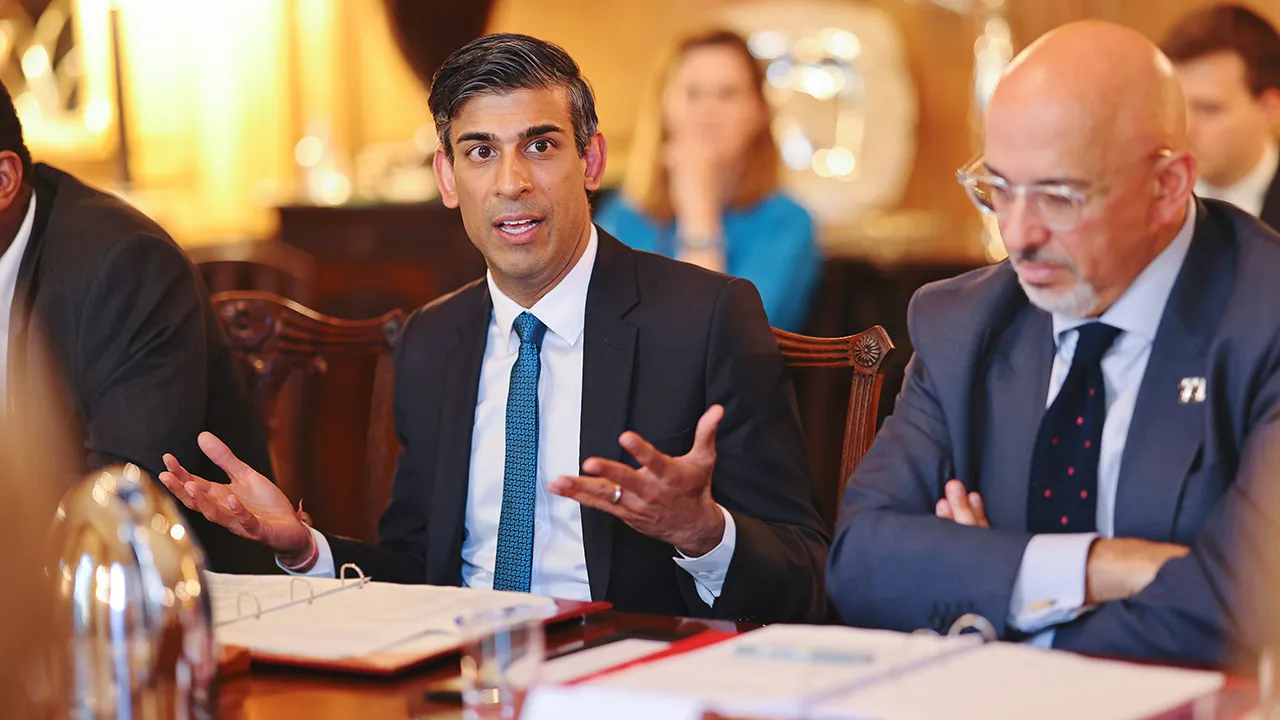
London, United Kingdom — March 9, 2026 — Parliament News — British officials are in active discussions with international partners regarding the UK Iran war economic impact, as tensions in the Middle East continue to raise concerns about energy markets, global trade, and financial stability. Government leaders say consultations with European allies, financial institutions, and economic advisors are focused on limiting the economic disruption that could occur if regional tensions escalate further. Policymakers emphasize that global coordination will be essential to protect supply chains and maintain stable markets during a period of geopolitical uncertainty.
Government Response and International Coordination
British officials say the government is closely monitoring the UK Iran war economic impact as part of a broader strategy to safeguard economic stability. Meetings between economic advisers and foreign policy leaders are evaluating how the conflict could influence global oil prices, shipping routes, and investor confidence.
The United Kingdom’s economy relies heavily on international trade and energy imports, meaning disruptions in the Middle East could have consequences far beyond the region. By working closely with partners across Europe and North America, policymakers hope to reduce market volatility and reassure businesses that contingency plans are being prepared. Officials say international cooperation will play a critical role in managing potential economic risks.
Energy Markets and Global Trade Concerns
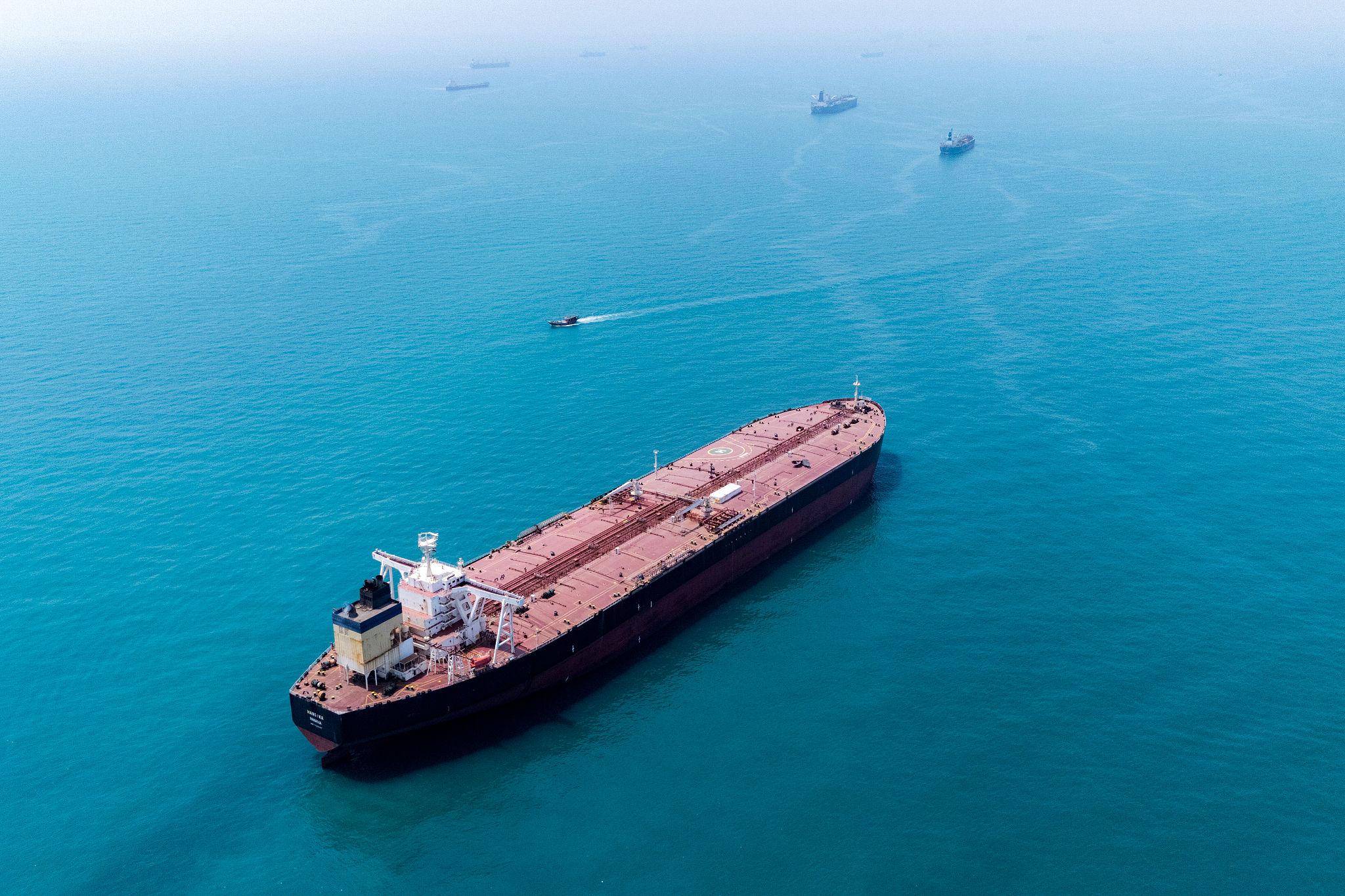
Energy supplies remain at the center of economic discussions. Iran is located near critical maritime routes that transport a large share of the world’s oil supply. Analysts warn that disruptions in these routes could quickly lead to higher energy prices and increased transportation costs.
Economists note that the UK Iran war economic impact could influence everything from fuel prices to manufacturing expenses. Higher energy costs often ripple through the economy, affecting industries, consumer spending, and inflation levels. Because of these risks, governments and financial institutions are carefully monitoring developments in global oil markets while preparing contingency strategies to stabilize supply chains.
Historical Comparisons to Previous Middle East Crises
History provides important lessons about how geopolitical tensions can affect economic stability. During previous Middle East conflicts, including the Gulf War and later regional crises, global oil prices surged and financial markets experienced periods of intense volatility. Governments at that time worked together to release strategic energy reserves and coordinate economic policies to prevent deeper financial disruptions.
Economic analysts say those earlier responses highlight the importance of cooperation among allied governments. The current discussions surrounding the UK Iran war economic impact reflect similar lessons from the past, where rapid communication and coordinated policy responses helped prevent short term market shocks from evolving into broader economic crises.
Expert Perspective on Market Stability
Economic experts say modern financial systems are better prepared to handle geopolitical shocks than they were decades ago. However, uncertainty can still influence markets and investor behavior. One international economist summarized the situation by stating,
“Global markets are resilient, but geopolitical tensions can quickly create uncertainty that governments must address through coordinated economic policy.”
This perspective reflects why policymakers continue to assess the UK Iran war economic impact while maintaining communication with financial institutions and international partners.
What Businesses and Investors Are Watching
Businesses and investors are carefully tracking developments related to the UK Iran war economic impact. Companies that rely on global shipping routes or energy supplies are particularly sensitive to geopolitical changes. Financial analysts say that when uncertainty increases, investors often shift toward safer assets, which can influence currency values and stock markets.
For the United Kingdom, maintaining stable trade routes and reliable energy supplies remains a priority. Officials say protecting these economic foundations will help ensure that global tensions do not trigger unnecessary financial instability.
Key Takeaways From the Economic Debate
The UK Iran war economic impact has become an important topic in global economic discussions as British officials coordinate with allies to protect markets and supply chains. Policymakers are monitoring energy prices, financial markets, and trade routes while preparing contingency plans designed to reduce potential disruptions.
Historical examples from previous Middle East conflicts demonstrate how coordinated international responses can stabilize markets and prevent long term economic damage. As diplomatic and economic discussions continue, governments hope that cooperation among global partners will help maintain economic stability even during periods of geopolitical tension.