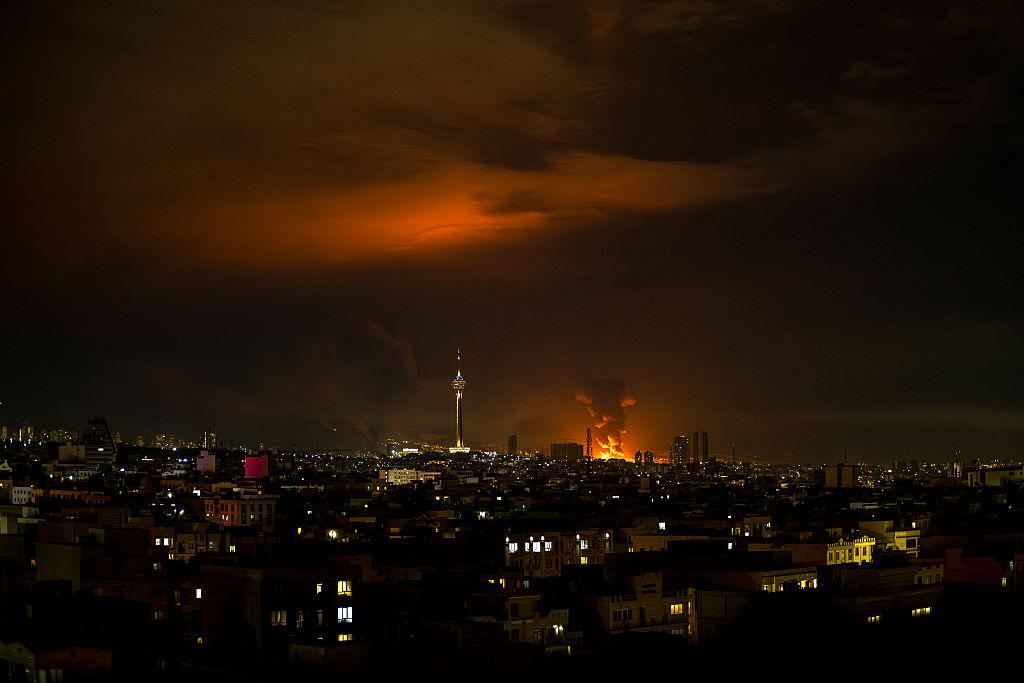
Tehran, Iran — March 10, 2026 — Parliament News — Reports of Tehran airstrikes have captured global attention after a series of explosions were heard across several districts of the Iranian capital. Residents described loud blasts and flashes in the night sky as air defense systems were reportedly activated in response to incoming aerial threats. The situation quickly triggered heightened security alerts across the Middle East, with regional governments and international observers closely monitoring developments.
Initial reports suggest the Tehran airstrikes targeted locations believed to be associated with military infrastructure. While Iranian authorities have not confirmed the exact sites involved, defense analysts believe the strikes may have focused on logistical facilities or command centers linked to national security operations. Emergency services and security forces were deployed to affected areas shortly after the explosions were reported.
Air Defense Systems Activated in the Capital
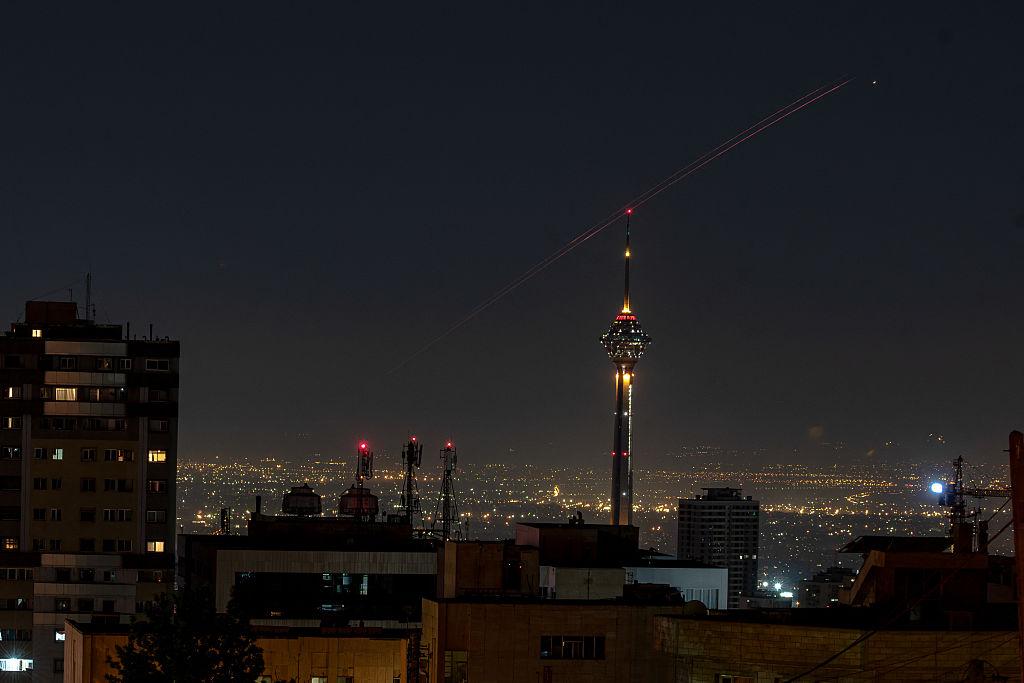
Following the first explosions, Iran’s air defense network was reportedly activated to intercept incoming threats. Witnesses in several neighborhoods reported seeing defensive missile launches and hearing additional detonations as intercept systems responded.
Military analysts say the activation of air defense systems indicates the scale and seriousness of the Tehran airstrikes. Such defensive responses are designed to neutralize aerial threats and protect critical infrastructure in urban areas.
Authorities also urged residents to remain indoors while security teams assessed potential damage and monitored the situation. Transportation and communication networks in parts of the city were temporarily disrupted as officials worked to ensure public safety.
Regional Security Concerns Rise
The Tehran airstrikes have intensified concerns about rising geopolitical tensions in the Middle East. The region has experienced increased military activity and diplomatic strain in recent months, making any direct strike on a major capital particularly significant.
Energy markets and international trade routes are especially sensitive to developments in the Middle East. Because the region plays a central role in global oil supply and maritime shipping, military escalation can quickly influence global economic stability.
International observers are now watching closely to determine whether the Tehran airstrikes represent a limited military action or the beginning of a broader confrontation.
Historical Comparison With Previous Airstrike Campaigns
Airstrike campaigns targeting strategic locations have played a role in several modern conflicts. During major conflicts in the late twentieth and early twenty first centuries, air operations were often used to disable command centers, missile facilities, and supply networks.
Historical examples in the Middle East and Europe demonstrate how aerial strikes have been used to weaken military capabilities without launching full scale ground operations. Analysts studying the Tehran airstrikes note that the current situation may reflect similar strategic objectives, where precision strikes aim to disrupt specific infrastructure rather than cause widespread destruction.
Understanding past military campaigns helps experts evaluate the potential goals and consequences of such operations.
Officials Call for Calm
Government officials and regional analysts have urged caution while more information about the Tehran airstrikes becomes available.
One regional security expert commented,
“Events like this demonstrate how quickly tensions can escalate in strategically sensitive regions, making diplomatic communication more important than ever.”
The statement reflects growing concern that continued escalation could affect regional stability and international relations.
Strategic Implications for the Middle East
The Tehran airstrikes highlight the fragile security balance in the Middle East, where geopolitical rivalries and military capabilities intersect. Major capitals in the region serve as hubs for political leadership and defense planning, meaning any military activity in these areas carries significant symbolic and strategic weight.
Security analysts say the coming days will be critical in determining how governments respond and whether diplomatic channels can prevent further escalation.
Key Developments From the Tehran Airstrikes
The recent Tehran airstrikes represent one of the most significant security developments in the region this year. Explosions reported across the capital triggered defensive responses and immediate international attention. While the exact targets and consequences remain under investigation, the incident highlights the delicate balance of power shaping Middle Eastern geopolitics.
As authorities continue assessing the situation, global observers remain focused on whether diplomatic efforts can stabilize the region and prevent further escalation following the Tehran airstrikes.