
Headline: Kilauea Erupts: Lava Spouts 400 Metres High in Hawaii
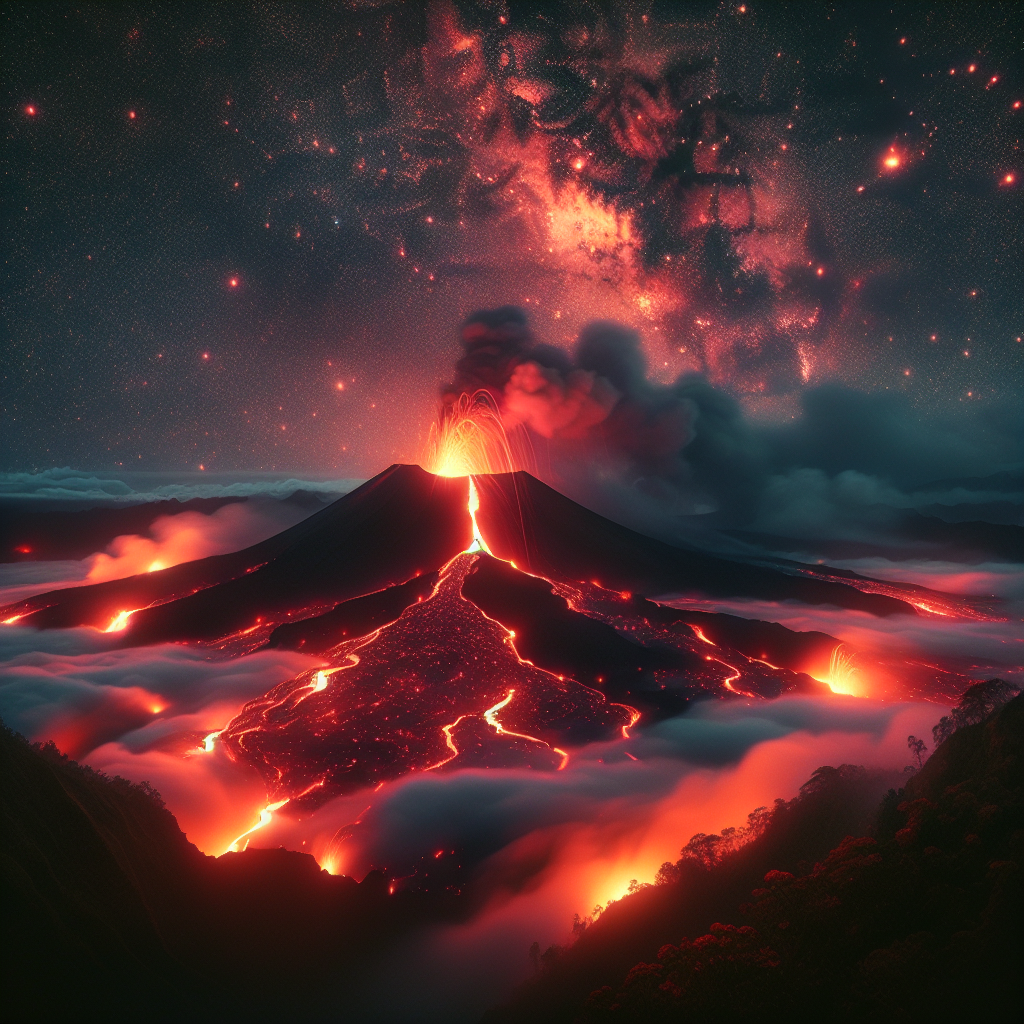
Hawaii’s Kilauea volcano erupted spectacularly on Sunday, sending plumes of fiery lava soaring 400 metres into the air. The eruption, which began early in the morning at the volcano’s active summit, has drawn the attention of local residents and scientists alike. This eruptive event marks the latest in a series of eruptions from Kilauea, one of the world’s most active volcanoes, located on the Big Island. Authorities are closely monitoring the situation due to the potential for lava flows and gas emissions to affect nearby communities.
The eruption of Kilauea, classified as a Hawaiian-style eruptive event, unleashes lava fountains that are both awe-inspiring and potentially hazardous. Officials from the United States Geological Survey (USGS) reported that the eruption began with a vigorous outpouring of lava from the Halemaʻumaʻu crater, rapidly escalating within hours. Witnesses described the scene as breathtaking, with molten rock illuminating the night sky and creating a fiery spectacle visible from miles away.
As the eruption progresses, scientists are deploying observation plans to assess the landscape’s changes and monitor for any potential lava flow advancement. Hawaii Volcanoes National Park has implemented safety measures, including road closures and restricted access to specific areas, to ensure visitor safety while still allowing some opportunities for viewing the natural phenomenon.
Local residents are beginning to respond to the activity, with many taking to social media to share their experiences and images of the eruption. While some are captivated by the beauty of the lava spewing into the sky, many are also concerned about the implications for air quality and road accessibility in the region. The Hawaii Department of Health has issued advisories regarding air quality and potential hazards associated with volcanic ash and gas emissions.
Authorities continue to stress the importance of preparedness and monitoring during such an active event. The Kilauea volcano has a history of eruptions dating back centuries, and its most recent lava flow in 2018 dramatically reshaped the landscape of the Big Island. Residents are encouraged to stay informed through official channels like the USGS and local emergency management services for real-time updates on the situation.
Additionally, experts highlight the ecological importance of volcanic eruptions in Hawaii. The lava interacts with the islands’ unique ecosystems, creating new land and influencing local flora and fauna. While Kilauea’s eruptions can pose immediate hazards to people and property, they also serve as a reminder of the power of nature and the continual geological evolution of the Hawaiian Islands.
Authorities are conducting assessments on the potential impact of the eruption on surrounding communities. Early reports indicate that no immediate evacuation orders were necessary, but officials remain vigilant in monitoring lava movement. In the event of a significant change in eruption status, contingency plans are already in place to ensure the safety of residents and visitors alike.
As Kilauea continues to display its volcanic prowess, scientific interest in the volcano remains high. Researchers and volcanologists study the phenomenon closely, gathering data that enhances our understanding of volcanic behavior and promotes public safety. Educational programs at the Hawaii Volcanoes National Park have ramped up efforts to inform park visitors about the latest eruptive activity, ensuring that safety precautions are in place while instilling a sense of wonder about the natural world.
In addition to volcano-related studies, the eruption raises pertinent questions regarding climate change and its impacts on volcanic activity. As global temperatures rise, scientists are examining how changing ecological conditions contribute to volcanic eruptions. The vast energy release from Kilauea serves as a stark reminder of the Earth’s dynamic processes, particularly in the unique environment found in Hawaii.
In summary, Kilauea’s latest eruption not only captivates spectators but also serves as a focal point for scientific research and community awareness. As the volcano continues to spew lava high into the atmosphere, the balance between appreciation for nature’s beauty and respect for its potential dangers becomes crucial for both residents and visitors. Ongoing communication from local authorities and scientific communities will remain vital in navigating the unforeseen challenges posed by active volcanic eruptions.
Looking ahead, local officials emphasize the importance of adhering to safety advisories and staying aware of changes in Kilauea’s behavior. As Hawaii’s landscape continues to evolve and change, the interplay between the environment, volcanic activity, and community safety will remain paramount.
Tourism to the Big Island is expected to be impacted in the coming days, as curious travelers flock to witness the volcano’s spectacular display. While the eruption poses risks, it simultaneously provides a unique opportunity for the world to witness the raw power of nature at work. For those planning to visit Hawaii in the near future, it is advised to keep abreast of local regulations and park guidelines, ensuring a safe and enriching experience.
In conclusion, the eruption of Kilauea is a powerful reminder of nature’s unpredictable beauty. As Hawaii navigates the challenges by taking proactive safety measures and communicating effectively with residents and visitors, it continues to showcase its resilience in the face of volcanic activity. The world watches with bated breath, captivated by the astonishing natural event unfolding on the shores of the Big Island.