
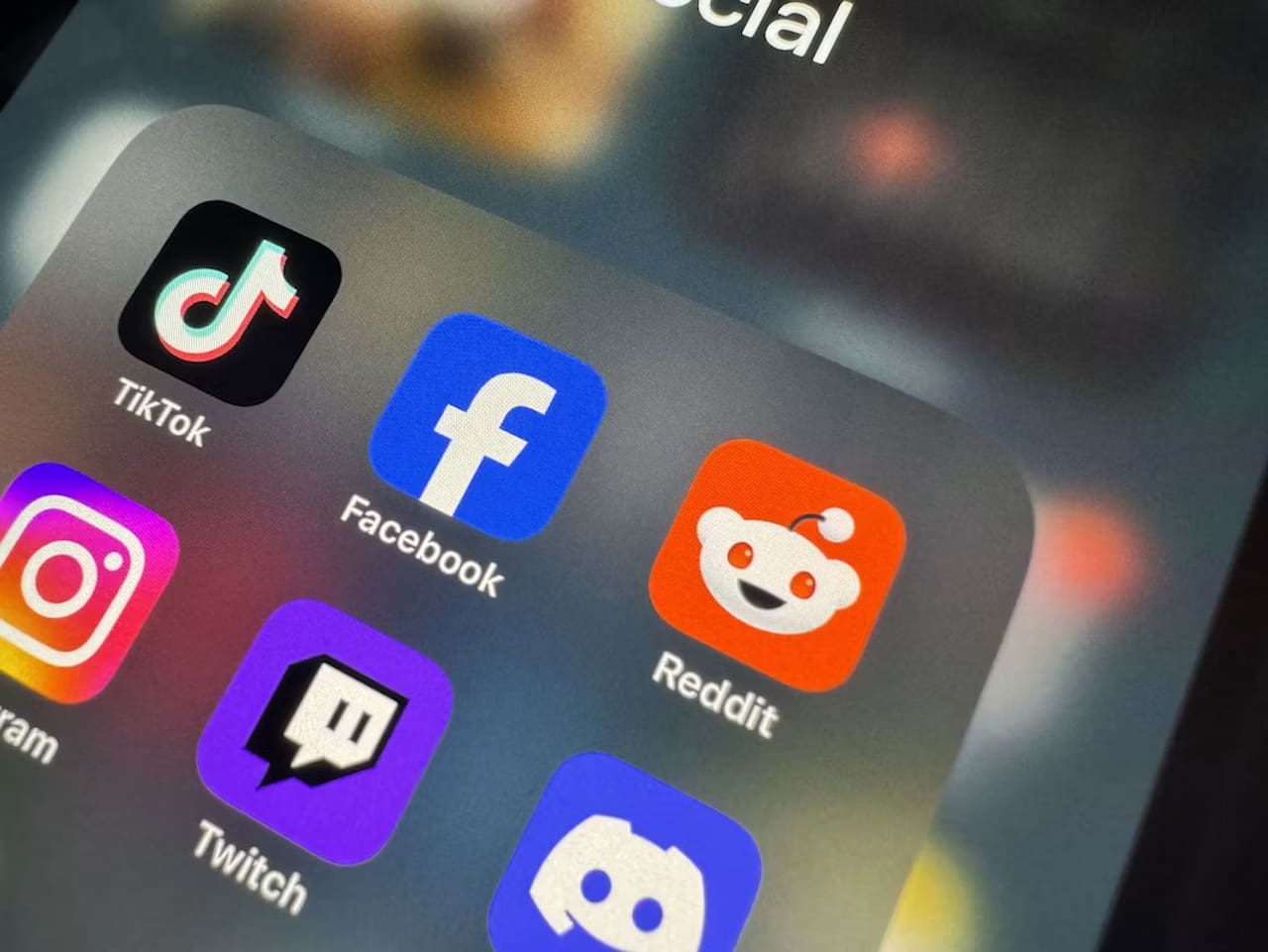
LONDON, June 18 (Parliament Politics Magazine) – Governments worldwide are aggressively moving to restrict social media access for minors as concerns regarding youth mental health and online safety reach a breaking point.
From comprehensive legislative bans to mandates requiring parental consent, nations are shifting the legal responsibility onto major technology firms to verify the ages of their users or face significant financial penalties.
Australia Leads The Regulatory Charge
Australia set a global precedent in December 2025 by becoming the first country to implement a nationwide ban on social media for children under 16. This landmark law effectively blocks minors from accessing major platforms, including TikTok, Alphabet’s YouTube, and Meta’s Instagram and Facebook.
The legislation is among the most stringent in the world, mandating that tech companies enforce strict gatekeeping measures. Platforms that fail to comply with these age restrictions face potential penalties reaching up to A$49.5 million.
European Nations Tighten Digital Limits
Across Europe, legislative bodies are rapidly drafting and approving measures to protect younger users. Britain has announced plans to approve a ban on social media for those under 16 by Christmas, with the measure expected to take full effect by the spring of 2027. Prime Minister Keir Starmer has further stated that major tech firms must prevent the circulation of nude images on devices used by children or face legislation forcing them to adopt technical solutions.
“Big tech firms operating in Britain must stop children circulating nude images on their phones or they will face legislation forcing them to do so,” said Prime Minister Keir Starmer.
Other European nations are following similar paths. Denmark has announced a ban for children under 15, while allowing parental discretion for children as young as 13. France’s National Assembly has approved legislation targeting children under 15, with the bill currently awaiting Senate approval. Similarly, Slovenia and Poland are actively drafting laws to prohibit social media access for those under 15, aiming to hold platforms directly accountable for the efficacy of their age verification systems.
Shifts In Asia And The Middle East
The movement is not limited to Western nations. The United Arab Emirates recently approved a resolution setting the minimum age for social media use at 15, making it the first Arab country to implement such a definitive restriction. The resolution prohibits those under 15 from creating personal accounts and limits access to platform features.
In Malaysia, the communications regulator began barring users under 16 from registering for social media accounts on June 1. Meanwhile, China has continued to enforce its own “minor mode” program. This system utilizes device-level restrictions and app-specific rules to strictly limit daily screen time and interaction based on the age of the user.

Evolving Standards In The United States
The United States is addressing the issue through a mix of federal legislative efforts and state-level actions. Senator Ted Cruz has signaled his support for the Kids Online Safety Act, which would require social media companies to exercise reasonable care in designing features that contribute to potential harm for minors.
This federal interest builds upon the existing Children’s Online Privacy Protection Act, which has long prevented the collection of data from children under 13 without parental consent. However, various state-level attempts to mandate parental permission for social media access have encountered significant legal challenges regarding free speech rights, illustrating the complexity of balancing safety with constitutional protections.
The Push For EU-Wide Regulation
At the institutional level, the European Union is working to harmonize these protections. European Commission President Ursula von der Leyen has announced that the EU is seeking stronger safeguards against what it terms “addictive and harmful design practices” in its upcoming Digital Fairness Act. This proposed legislation aims to standardize protections across member states.
The European Parliament has already reached an agreement on a resolution calling for an EU-wide ban on access to online platforms, video-sharing sites, and AI companions for children under 16 without parental consent. It further advocates for an outright ban for any user younger than 13.
Industry Compliance
While social media platforms such as TikTok, Facebook, and Snapchat maintain that their current terms of service require users to be at least 13 years old, critics and child protection advocates argue these measures remain insufficient. Official data across several European countries consistently reveals that a significant number of children under 13 currently maintain active social media accounts.
As governments continue to escalate their regulatory demands, the tech industry faces a narrowing window to implement robust, verifiable age-gating technologies. The move toward mandatory verification suggests that the era of self-policing by tech companies is coming to a close as nations prioritize the digital welfare of the next generation.