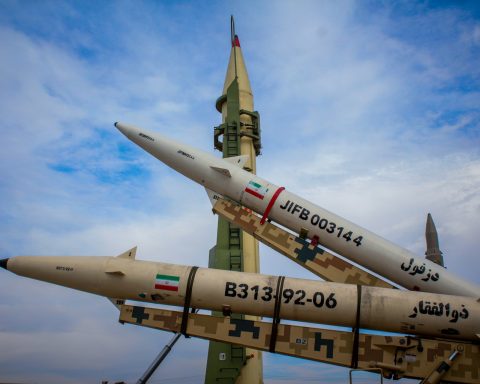

Headline: Rising Tensions: U.S.-Israel-Iran Conflict Impacts Gas Prices
Article:
As the conflict between the U.S., Israel, and Iran escalates, economists and analysts are closely monitoring the potential ramifications on global oil prices. The increasing military involvement of the United States and its ally Israel in the Middle East raises concerns about supply disruptions and geopolitical stability. With Iran’s strategic position in the oil market, the heightened tensions could lead to significant fluctuations in gas prices across the U.S. and beyond.
Background: The Middle East’s Oil Landscape
The Middle East holds a considerable portion of the world’s oil reserves, and Iran is a key player in this narrative. Historically, conflicts in this region have influenced global oil prices, while the current situation is no different. The U.S. has long opposed Iran’s nuclear ambitions and its role in regional conflicts, often leading to military actions and sanctions that disrupt oil supplies.
Key Factors Affecting Gas Prices
-
Supply Chain Disruptions: The heightened military activity in the Persian Gulf presents a risk to crucial shipping routes. The Strait of Hormuz, through which nearly 20% of the world’s oil passes, could be affected by military actions. Any disruption could lead to a steep rise in prices, prompting retailers to adjust their rates.
-
Market Speculation: Oil traders tend to react to geopolitical tensions by speculating on future supply shortages. As whispers of conflict grow louder, prices often rise in anticipation, even before any physical disruptions occur. This speculative trading can lead to significant changes in gas prices, affecting consumers at the pump.
-
U.S. Domestic Production: The extent to which the U.S. can rely on domestic oil production will also play a crucial role. While the U.S. has significantly increased its oil production through technologies like fracking, supply-and-demand dynamics could still tilt in favor of higher prices if overseas conflicts escalate.
- Global Demand: The ongoing recovery from the COVID-19 pandemic has led to increased fuel consumption worldwide. As countries continue to ramp up their activities, the demand for oil could put further upward pressure on prices. Combined with the uncertainties surrounding the conflict, this could lead to even steeper increases.
Anticipated Price Increases
While predicting exact gas prices is inherently challenging, analysts indicate a potential for significant increases. Currently, U.S. gas prices hover around the national average of $3.50 per gallon. In the event of intensified conflict, analysts forecast that prices could rise anywhere from 10% to 30%, reaching between $3.85 and $4.55 per gallon.
Historical Context
To contextualize the current situation, one can look back at previous conflicts involving Iran and U.S. interests. For instance, the 2019 military tensions after attacks on oil tankers in the Gulf region led to immediate spikes in crude oil prices. Similarly, the early 2000s saw the U.S. invasion of Iraq cause significant market jitters, leading to persistent high gas prices.
Consumer Impact
As gas prices climb, consumers may feel the pinch in their wallets. Increased transportation costs can lead to higher prices for goods and services, contributing to overall inflation. This ripple effect could have broader economic implications, particularly as the U.S. economy attempts to recover from pandemic-induced disruptions.
Potential Government Actions
In response to rising prices, the U.S. government may consider strategic actions to buffer the impact on consumers. This could involve releasing oil from the Strategic Petroleum Reserve, which was utilized during previous crises to stabilize prices. Such moves aim to assure the public that steps are being taken to mitigate the financial burden of soaring gas costs.
Conclusion: Monitoring the Situation
As the situation remains fluid, it is crucial for consumers and businesses alike to keep a close eye on developments in the U.S.-Israel-Iran conflict. While many are hopeful for a peaceful resolution, the reality is that such geopolitical tensions often have far-reaching effects on the global oil market.
Understanding how these interconnected factors influence gas prices will be essential for planning personal and business budgets moving forward.
As tensions rise, one thing remains clear: consumers across the U.S. should brace for potential increases at the pump.