
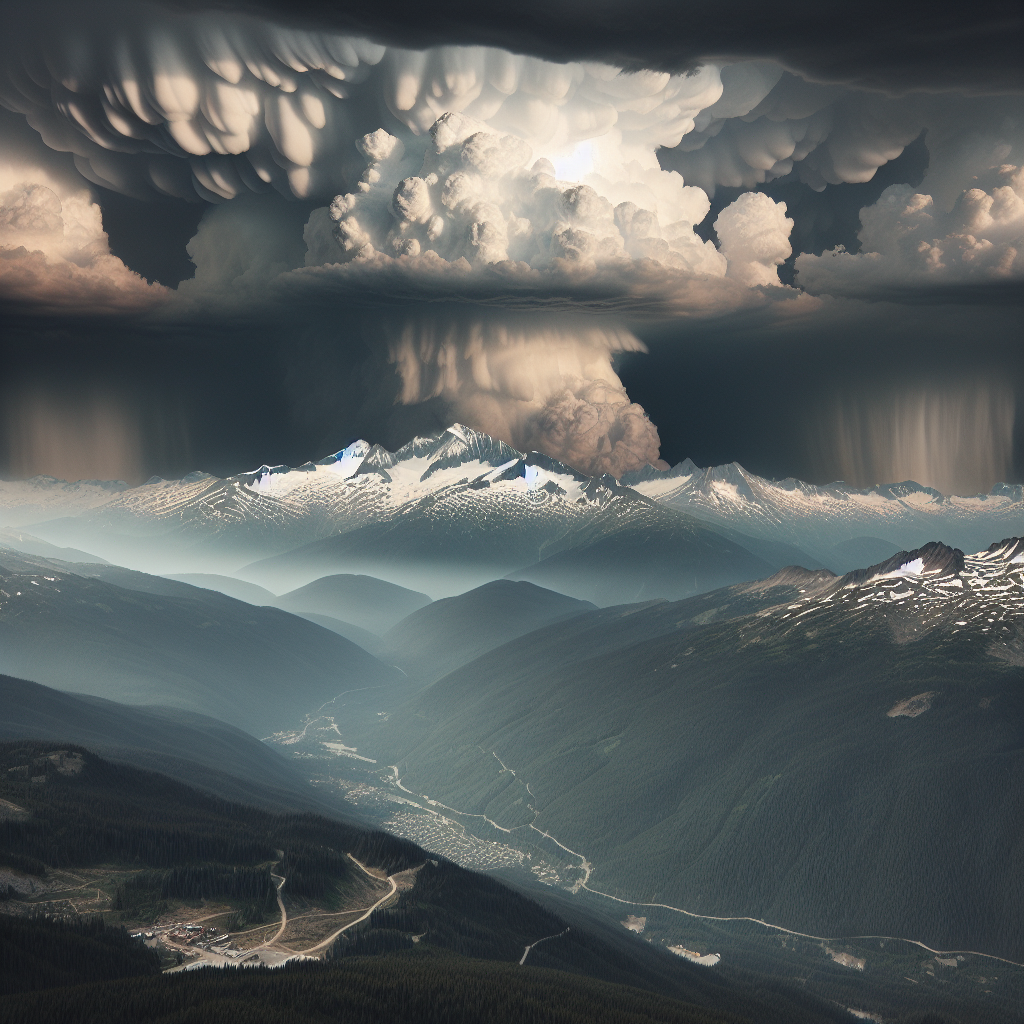
Avalanche Risk Rises in B.C. Due to Warm Storm Conditions
A warm storm system sweeping across British Columbia is heightening avalanche risks just as the region enters historically deadly conditions for these snow events. This pattern is expected to peak over the weekend, prompting officials to urge caution among outdoor enthusiasts and residents. The government, along with local avalanche forecasting centers, has issued alerts for several mountainous areas, warning that unstable snowpack conditions may lead to significant hazards.
As winter temperatures fluctuate unexpectedly, snow and rain are forecasted to hit various regions in British Columbia, including popular areas like Whistler, the Selkirk Mountains, and the northern Rockies. These fluctuations, combined with an already precarious snowpack layered by recent snowfall and warm weather, create an elevated avalanche danger that could lead to severe consequences. This accumulation of unstable snow is particularly concerning given that February has historically been one of the most perilous months for avalanches in the province.
Impact of Climate Conditions
Meteorologists attribute this weather pattern to an influx of warm air masses moving through the region, causing a rise in temperatures. This warm storm system possesses the potential to create heavy rainfall and rising freezing levels, which can destabilize the existing snowpack. "The combination of rainfall on snow and a rapid warming trend can be a recipe for disaster," states Emily Roberts, a senior meteorologist at Environment Canada. "It can have a profound impact on the stability of the snowpack."
Avalanche Canada has already issued a special avalanche warning, specifically highlighting regions where the danger is notably high. As of Friday, many mountain areas were rated at “considerable” to “high” avalanche danger on the international scale, meaning large avalanches could easily be triggered by a person. "Now is not the time to be complacent about safety in the backcountry,” says Mark Atkinson, an avalanche forecaster. "Everyone should stay informed and take the necessary precautions before heading out."
Precautionary Measures Recommended
Given these alarming forecasts, both recreational adventurers and professional guides are being advised to reconsider their plans. The use of safety gear, including avalanche transceivers, shovels, and probes, is strongly recommended, along with engaging in thorough route planning to avoid problematic areas. The Avalanche Canada website provides updated information and resources that can help guide decisions made by those who venture into the backcountry.
Families living in regions prone to avalanches are also being urged to prepare for possible evacuations and to familiarize themselves with emergency protocols. "It’s important for local residents to stay informed," emphasizes community safety officer Jane Lee. “Understanding the risks and having a plan can make a significant difference during these high-risk periods.”
Historical Context
The province’s history provides context for the current situation. In February 2003, one of the deadliest avalanche seasons recorded in British Columbia resulted in 12 fatalities, underscoring the lethality these natural phenomena can pose. Additionally, experts note that the warming climate may continue to reshape traditional weather patterns, leading to even less predictable weather in the future.
"For years, winter has looked a lot different than it did decades ago," remarks Dr. Robert Chang, a climate scientist at the University of British Columbia. He mentions that as temperature averages continue to creep up, the risk of avalanches owing to sudden weather transitions could increase. “We need to take these changing patterns very seriously, as they could mean more volatile conditions in the future."
The Community Response
Local organizations and rescue teams are on high alert, prepared to respond should conditions evolve unfavorably. Search and rescue operations are also coordinating efforts to ensure response teams are adequately equipped with the latest information. Some communities are even planning public forums to educate residents about avalanche safety and emergency preparedness.
Recreational guides from various well-established companies are stepping up. Many experienced climbers and skiers are hosting free community workshops that cover assessing avalanche risk and navigating the backcountry safely. "It’s vital that we come together as a community to promote collective safety," notes Tom Wainwright, a professional guiding consultant. "The stakes are high, and mutual support can save lives."
Conclusion
As warm storm conditions persist, British Columbia faces a precarious winter landscape with growing avalanche risks. Authorities implore residents, adventurers, and outdoor enthusiasts to remain vigilant and prioritize safety above all else during these susceptible times. Staying informed about weather changes, avalanche warnings, and adopting appropriate safety measures are crucial steps to ensure that the thrill of winter recreation does not come at the expense of safety and well-being.
With the right precautions and an informed attitude, individuals can enjoy the beautiful and rugged terrain British Columbia is renowned for, while minimizing risks associated with this historically volatile month. Community awareness and preparedness will be the keys as British Columbia navigates these challenging conditions.