
Headline: Experts Skeptical of Trump’s ‘Gunboat Diplomacy’ Against Iran
In recent discussions surrounding U.S.-Iran relations, President Donald Trump’s approach—often labeled as “gunboat diplomacy”—has been scrutinized by experts who doubt its effectiveness in preventing Iran from obstructing oil flows. This critique comes amidst heightened tensions in the Strait of Hormuz, where Iran has repeatedly threatened to disrupt shipping lanes critical for global oil supply. As tensions escalate, analysts question whether military posturing can effectively deter Iranian actions.
The term “gunboat diplomacy” refers to the practice of using naval power to influence other nations’ actions, a strategy often associated with historical international relations, particularly during the colonial era. Trump’s administration has intensified military presence in the Persian Gulf, deploying additional naval assets to the region in response to Iran’s threats to block one of the world’s busiest maritime routes. The stakes are high: approximately 20% of the world’s oil supply passes through the Strait of Hormuz, making any disruption not only a regional issue but a global concern.
However, experts argue that mere military posturing may not be sufficient to change Iran’s calculus. Dr. Sarah Williams, a geopolitical analyst at the Center for Strategic Studies, commented, “While the show of force may temporarily deter certain actions, the root of the issue—Iran’s geopolitical aspirations—remains unaddressed. This could lead to a miscalculation on both sides.” She emphasized that a strong diplomatic strategy needs to complement military efforts to achieve lasting stability.
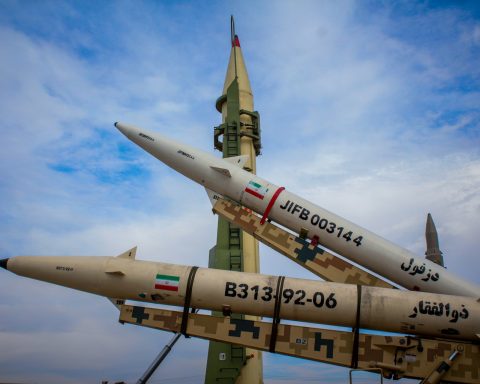
The current U.S. stance follows a series of provocative actions by Iran, including the seizure of oil tankers and attacks on oil infrastructure in the region. These aggressive maneuvers have prompted concerns about a potential military confrontation, which many analysts believe could have dire economic consequences for the global oil market.
Solutions offered by experts include initiating robust diplomatic engagements with not just Iran, but also regional partners such as Saudi Arabia and the UAE, who are equally invested in the security of oil supply routes. Michael Chen, an energy policy expert at the Brookings Institution, noted, “The focus should be on crafting a multilateral approach that involves key stakeholders in the region. Military deterrence alone isn’t a long-term solution.”
In addition to pursuing diplomacy, experts urge the U.S. to enhance its alliances with European nations, who have appeared less inclined to support unilateral military action against Iran. The European Union has pushed for negotiations to revive the 2015 Joint Comprehensive Plan of Action (JCPOA) nuclear agreement, which aimed to curb Iran’s nuclear ambitions in exchange for sanctions relief. Analysts suggest that by rallying international support, the U.S. could strengthen its position against Iranian threats.
Escalating military conflict could also have serious unintended consequences, not just for U.S.-Iran relations but for the entire Middle East. Tensions could ignite broader conflicts that would destabilize the region further. Dr. Amir Khosravi, an international relations expert, warns, “The situation is precarious. A misstep could lead to a regional war that affects countries far beyond just Iran and the U.S.”
Furthermore, the economic implications of military confrontation extend beyond the price of oil. Disruptions in the Strait of Hormuz could lead to increased volatility in global markets, driving up fuel costs and affecting economies worldwide. As nations grapple with their post-pandemic recovery strategies, any instability could stall growth and recovery efforts globally.
Amid these complexities, Trump’s diplomatic approach appears increasingly fraught. In recent statements, he has emphasized the need for a robust military posture but faltered on articulating a coherent long-term strategy. For many analysts, the inconsistency in communication signals a lack of coherent foreign policy, leaving both allies and adversaries uncertain about U.S. intentions.
Public opinion within the U.S. may also play a role in shaping future actions. Many Americans have expressed fatigue over prolonged military engagements, particularly in the Middle East. A recent poll indicated that a significant portion of the population prefers diplomatic solutions over military interventions in foreign affairs. This sentiment echoes the frustrations over previous military campaigns in Iraq and Afghanistan.
As the Trump administration continues its strategic posturing, experts remain cautious. While “gunboat diplomacy” may serve as a temporary deterrent, the consensus is clear: sustainable solutions require more than just military might. Diplomacy, collaboration with allies, and engagement with regional stakeholders are crucial for addressing the complex challenge posed by Iran.
In conclusion, while the U.S. military presence in the region may temporarily bolster stability, experts largely agree that the ongoing threat posed by Iran will not be resolved through military action alone. Increased dialogue, diplomatic initiatives, and multilateral cooperation represent the most effective strategy for preventing Iran from further obstructing the flow of oil in one of the world’s most vital maritime corridors. The path ahead may be fraught with challenges, but empowering diplomacy could prove to be the most prudent course of action for U.S. policy in the Middle East. The stakes are too high for anything less than a comprehensive strategy addressing both the immediate threats and the underlying geopolitical tensions that fuel them.