LONDON, United Kingdom — March 13, 2026 — Parliament News Magazine — Economic indicators released this week suggest that UK inflation pressures remain a significant challenge for Britain’s economy. Rising costs for food, housing, transportation, and energy continue to influence financial decisions made by households and businesses across the country.
Economists say UK inflation pressures have persisted despite earlier expectations that price growth would gradually stabilize. While inflation levels fluctuate month to month, the overall cost of living remains elevated for many families.
Financial markets are closely watching the development as policymakers assess how to balance economic growth with price stability. The continued presence of UK inflation pressures is shaping monetary policy decisions and influencing the broader economic outlook for Britain.
Rising Living Costs Affect British Households
For millions of households, the impact of UK inflation pressures is felt most clearly in daily spending. Essential items such as groceries, utilities, and housing have become significantly more expensive over the past several years.
Consumers across Britain are adapting their spending patterns in response to these rising costs. Many families are prioritizing essential purchases while reducing discretionary spending.
Retail analysts say the persistence of UK inflation pressures has created new challenges for consumer confidence. When households become cautious about spending, it can slow economic growth by reducing demand for goods and services.
The financial strain is particularly visible among lower income households, where a greater portion of income is already dedicated to basic living expenses.

Energy Costs Continue to Shape Inflation
Energy prices remain one of the most influential factors driving UK inflation pressures. Electricity, natural gas, and transportation fuel all contribute significantly to household expenses.
Businesses are also affected by rising energy costs because energy is essential for manufacturing, transportation, and logistics operations.
When energy prices increase, companies often pass those costs to consumers in the form of higher prices for goods and services. This dynamic reinforces the broader pattern of UK inflation pressures throughout the economy.
Energy analysts say fluctuations in global energy markets have made it difficult for prices to stabilize quickly.
Businesses Adjust to Higher Operating Expenses
Companies across Britain are facing increasing operational costs due to UK inflation pressures. Rising prices for raw materials, transportation, and labor have forced many businesses to reconsider pricing strategies and investment decisions.
Small businesses are particularly sensitive to these pressures because they often operate with limited financial reserves. Higher costs can reduce profit margins and limit opportunities for expansion.
Business leaders say managing costs while maintaining competitiveness has become increasingly challenging.
The persistence of UK inflation pressures has therefore influenced hiring decisions, supply chain strategies, and long term investment planning.
Financial Markets React to Inflation Trends
Financial markets respond quickly to inflation data because price stability is a key factor influencing interest rates and investment flows.
Investors are monitoring economic indicators closely as UK inflation pressures continue affecting monetary policy expectations. When inflation remains elevated, central banks may maintain higher interest rates in an effort to control price growth.
Higher borrowing costs can influence everything from mortgage rates to business loans, affecting both consumers and corporations.
Currency markets also react to inflation data because interest rate expectations influence the value of national currencies.
The presence of UK inflation pressures therefore has significant implications for financial markets around the world.
Government Policy and Economic Strategy
Government officials and policymakers are working to manage the effects of UK inflation pressures while maintaining economic stability. Fiscal policy measures may be introduced to support households facing rising living costs.
Central banks also play a critical role through monetary policy decisions designed to control inflation.
Balancing inflation control with economic growth remains one of the most difficult challenges facing policymakers today.
Authorities must carefully consider the potential consequences of interest rate changes, government spending programs, and regulatory policies.
The effectiveness of these strategies will determine how quickly UK inflation pressures begin to ease.
HISTORY: Inflation Cycles in Britain
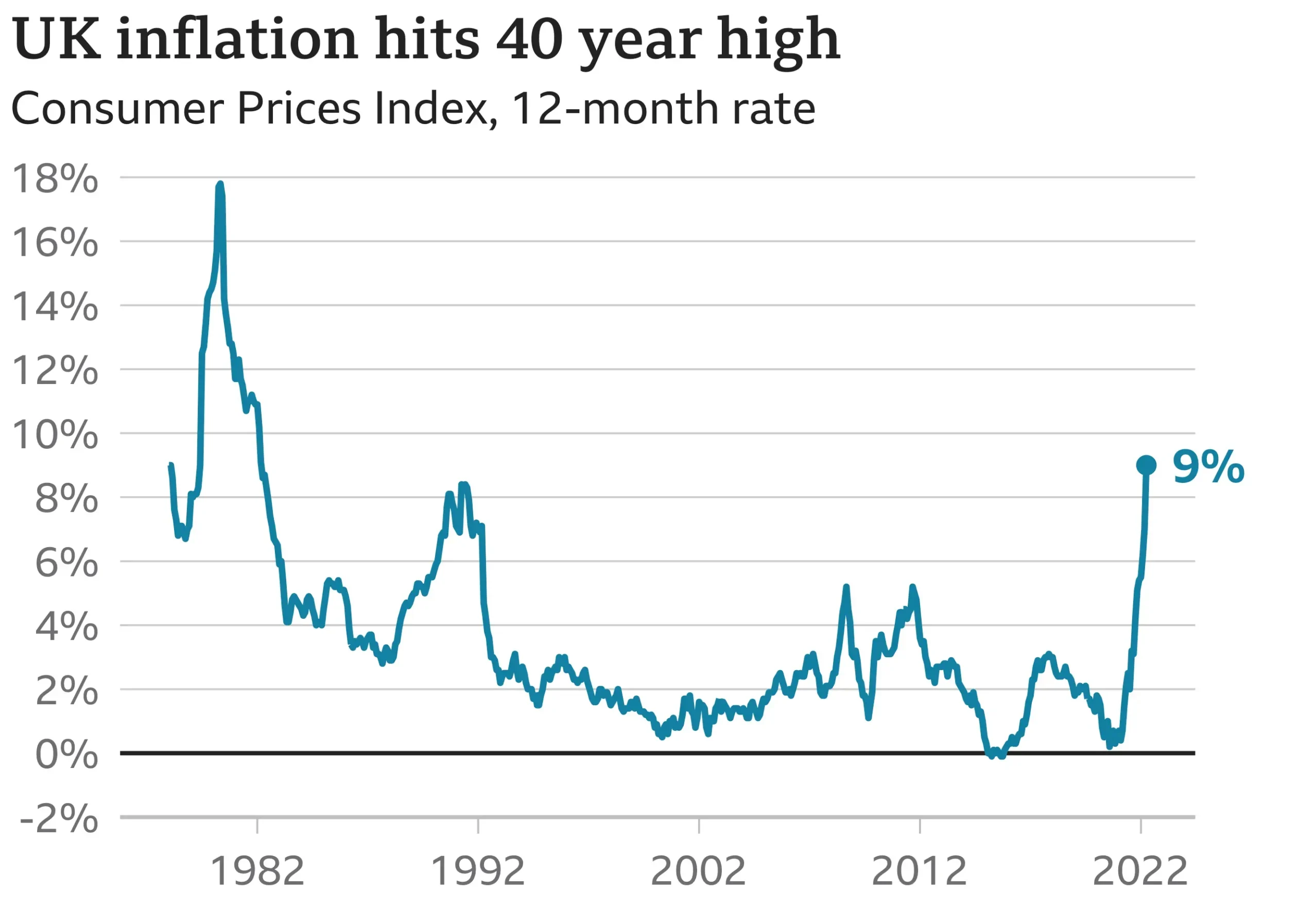
The current period of UK inflation pressures is not without historical precedent. Britain has experienced multiple inflation cycles throughout its economic history.
Periods of rising prices have often followed global crises, energy disruptions, or rapid economic expansion.
For example, previous energy shocks in the twentieth century led to significant increases in consumer prices across Europe.
These historical experiences demonstrate that inflation can emerge from a combination of domestic and global economic factors.
Understanding these past cycles helps economists evaluate current trends and predict potential future outcomes.
The persistence of UK inflation pressures today reflects many of the same economic forces that influenced earlier inflation periods.
Experts Assess the Economic Outlook
Economists and financial analysts continue evaluating the future path of inflation in Britain. Some believe that price growth may gradually stabilize as supply chains improve and energy markets become less volatile.
Others caution that structural challenges within the global economy may prolong inflationary pressures.
One economic strategist explained the situation clearly:
“Inflation pressures in the UK remain tied to both global supply conditions and domestic cost structures, making quick solutions difficult.”
This perspective highlights the complexity of addressing inflation in a highly interconnected global economy.
Social and Economic Implications
Beyond economic statistics, UK inflation pressures are influencing everyday life across Britain. Rising costs affect decisions related to housing, employment, and long term financial planning.
Families may delay large purchases or adjust spending priorities when prices remain high.
Businesses may also postpone expansion plans or reduce hiring if economic conditions appear uncertain.
These ripple effects demonstrate how inflation can influence both economic performance and social stability.
Addressing UK inflation pressures therefore requires coordinated efforts between government institutions, financial authorities, and private sector leaders.
What Lies Ahead for Britain’s Economy
Looking forward, the trajectory of UK inflation pressures will depend on several factors including global energy markets, domestic economic policies, and international trade conditions.
If inflation begins to stabilize, economic growth may gradually strengthen as consumer confidence improves.
However, continued volatility in global markets could delay that recovery.
Economists say careful policy management and resilient economic strategies will be essential for navigating the coming years.
Britain Navigates a Complex Economic Moment
The persistence of UK inflation pressures has become one of the defining economic issues facing Britain today. Rising living costs, energy price volatility, and higher operating expenses for businesses have combined to create a challenging environment for households and policymakers alike.
Financial markets, government institutions, and economic experts are all closely monitoring developments as Britain works toward restoring price stability. While historical experience suggests that inflation cycles eventually stabilize, the path forward will require careful policy decisions and continued economic resilience.
For now, the ongoing presence of inflation pressures serves as a reminder that managing economic stability remains one of the most important challenges confronting Britain’s economy.