WASHINGTON, March 14, 2026 — Parliament Politics Magazine — The Gulf shipping lanes crisis is intensifying international concern as rising tensions in the Persian Gulf threaten one of the world’s most important maritime trade corridors. Officials in Washington and across allied governments say disruptions to tanker routes could affect global oil supplies and increase geopolitical instability across the Middle East.
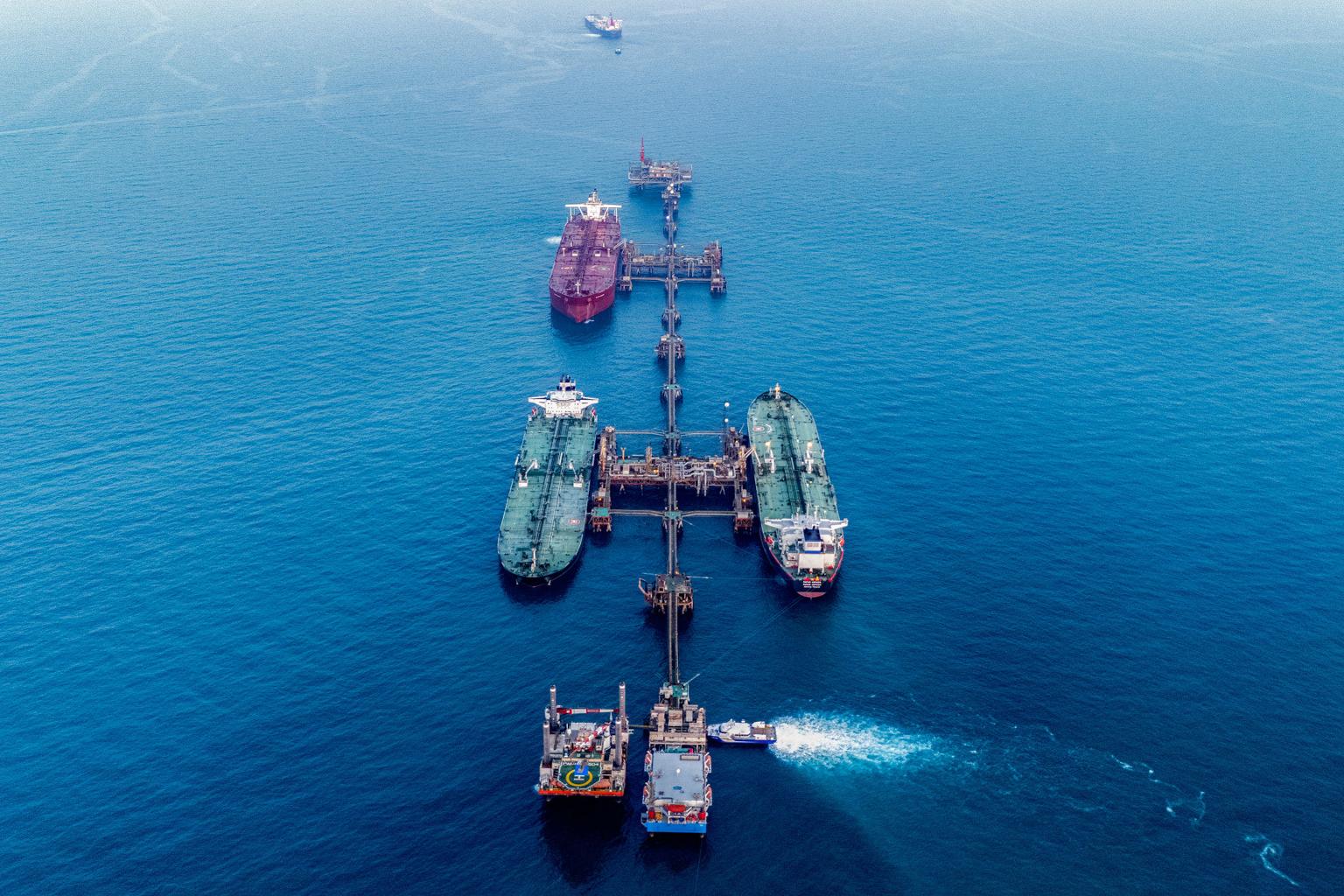
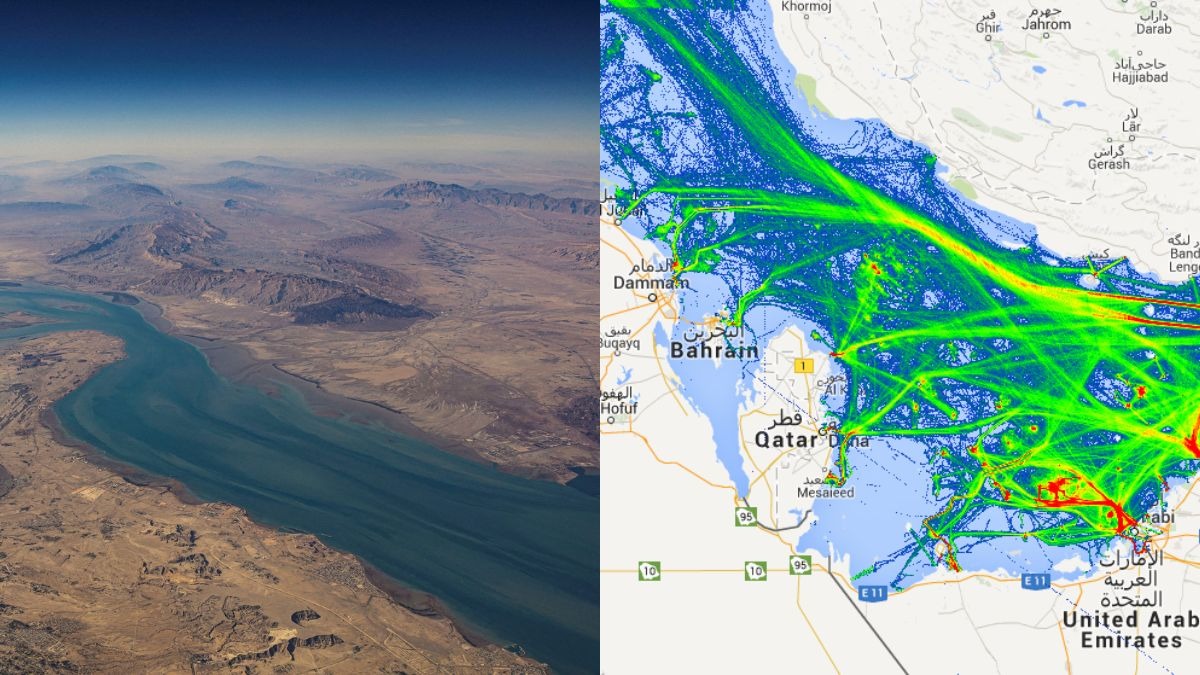
The Persian Gulf serves as a major artery for global energy shipments, with millions of barrels of oil transported daily through the Strait of Hormuz. As the Gulf shipping lanes crisis develops, international shipping companies and energy markets are closely monitoring the situation for signs of escalation.
Security analysts warn that instability in the region could quickly influence oil prices, shipping insurance costs, and global economic confidence.
Strategic importance of the Strait of Hormuz
The Gulf shipping lanes crisis centers on maritime routes that connect oil producing nations to the global economy. The Strait of Hormuz is widely considered one of the most strategically significant waterways in the world.
Nearly one fifth of the world’s petroleum supply moves through the narrow passage each day. Oil tankers departing from Saudi Arabia, Iraq, Kuwait, and the United Arab Emirates rely on this corridor to reach international markets.
Because of this concentration of energy shipments, even limited disruptions tied to the Gulf shipping lanes crisis can create ripple effects across global markets.
Energy experts note that stability in the Gulf region is closely linked to the reliability of international fuel supplies.
Rising tensions around regional waters
The Gulf shipping lanes crisis has intensified as political and military tensions in the region have grown in recent weeks. Officials from several governments have expressed concern about the possibility of interference with commercial shipping.
Naval patrols from multiple countries have expanded operations to monitor maritime activity and protect vessels traveling through high risk areas.
Commercial shipping companies have also begun reviewing safety procedures and communication protocols for ships entering the Gulf.
One international maritime security advisor described the stakes involved.
“Shipping lanes in this region carry enormous economic value, and protecting them is essential for global trade,”
the advisor said.
The Gulf shipping lanes crisis has therefore become a major focus of international diplomatic and security discussions.
Oil markets respond cautiously
Energy markets reacted cautiously to developments surrounding the Gulf shipping lanes crisis, with traders closely tracking geopolitical developments in the Persian Gulf.
Historically, oil prices tend to rise whenever security concerns emerge in major energy transit corridors. Even the perception of potential disruption can influence investor behavior.
Energy economists say the Gulf shipping lanes crisis could affect global fuel prices if tensions persist.
Countries that rely heavily on imported oil are particularly sensitive to supply disruptions, and prolonged instability could place additional pressure on transportation and manufacturing sectors.
Diplomatic pressure to maintain open sea routes
International leaders have urged restraint as the Gulf shipping lanes crisis continues to evolve. Diplomatic discussions are underway aimed at preventing escalation and ensuring that commercial shipping remains uninterrupted.
European and Asian governments have emphasized the importance of protecting global trade routes and avoiding actions that could disrupt energy markets.
A senior European diplomat addressed the issue during a recent policy briefing.
“Open maritime routes are essential for global economic stability and must remain protected,”
the diplomat said.
Efforts to stabilize the situation remain ongoing as officials attempt to reduce tensions surrounding the Gulf shipping lanes crisis.
Expanded naval presence in the Gulf
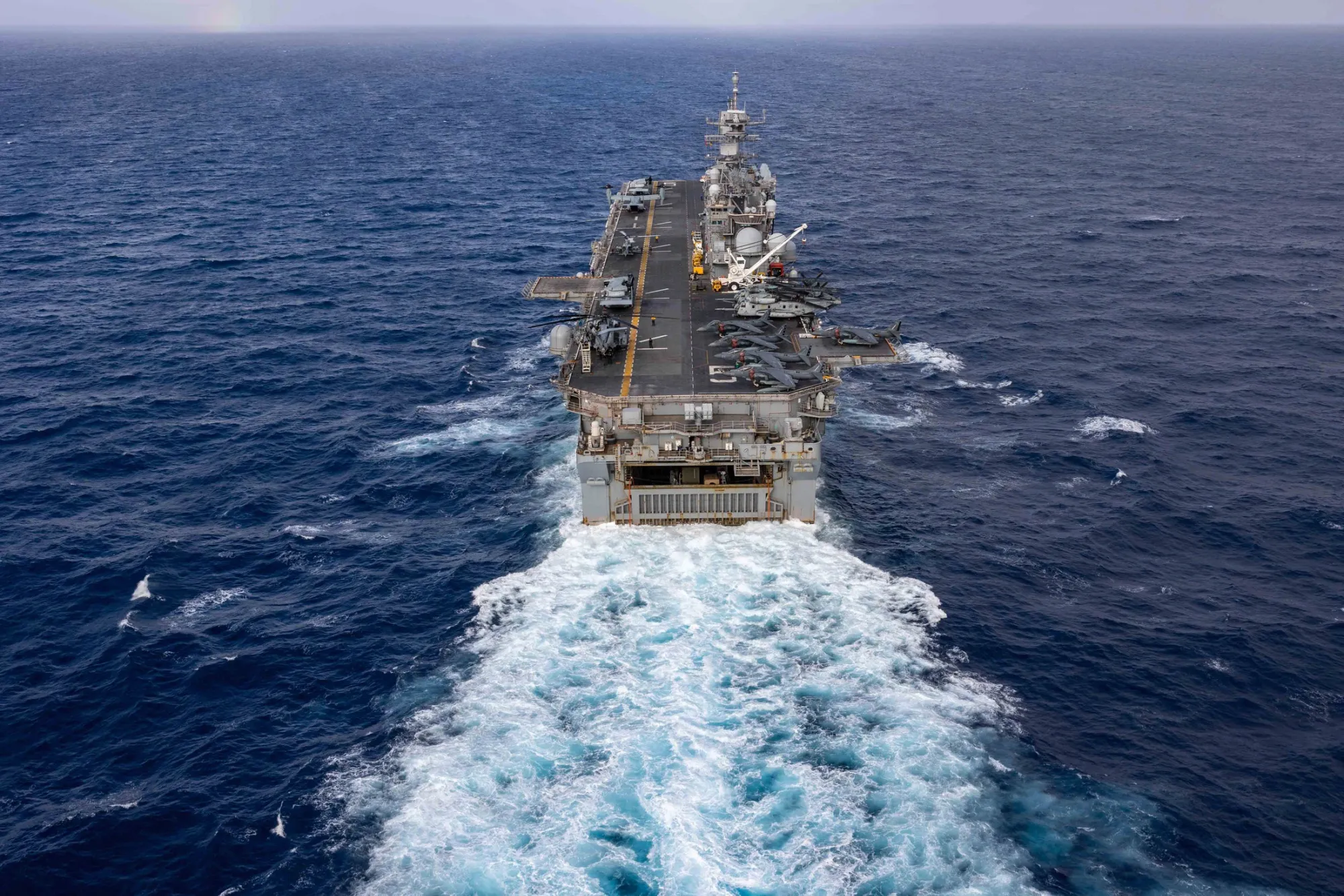
Military forces from several nations have increased their presence in the region as part of broader efforts to protect international shipping.
Naval patrols are conducting surveillance missions and escorting commercial vessels through sensitive areas.
These operations are designed to deter interference with maritime traffic and ensure that cargo shipments continue moving safely.
Defense officials say cooperation among allied navies has become increasingly important during the Gulf shipping lanes crisis.
Enhanced monitoring and rapid response capabilities are intended to prevent isolated incidents from escalating into broader conflicts.
Historical context of shipping conflicts in the Gulf
The current Gulf shipping lanes crisis has drawn comparisons to earlier conflicts that threatened maritime trade routes in the region.
During the Iran Iraq War in the 1980s, oil tankers traveling through the Gulf were frequently targeted in what became known as the Tanker War.
The attacks disrupted shipping traffic and prompted international naval forces to intervene in order to protect commercial vessels.
That experience demonstrated how vulnerable global energy infrastructure can become during regional conflicts.
Today’s Gulf shipping lanes crisis reflects similar concerns about protecting maritime corridors that are essential to international trade.
Economic risks linked to supply disruption
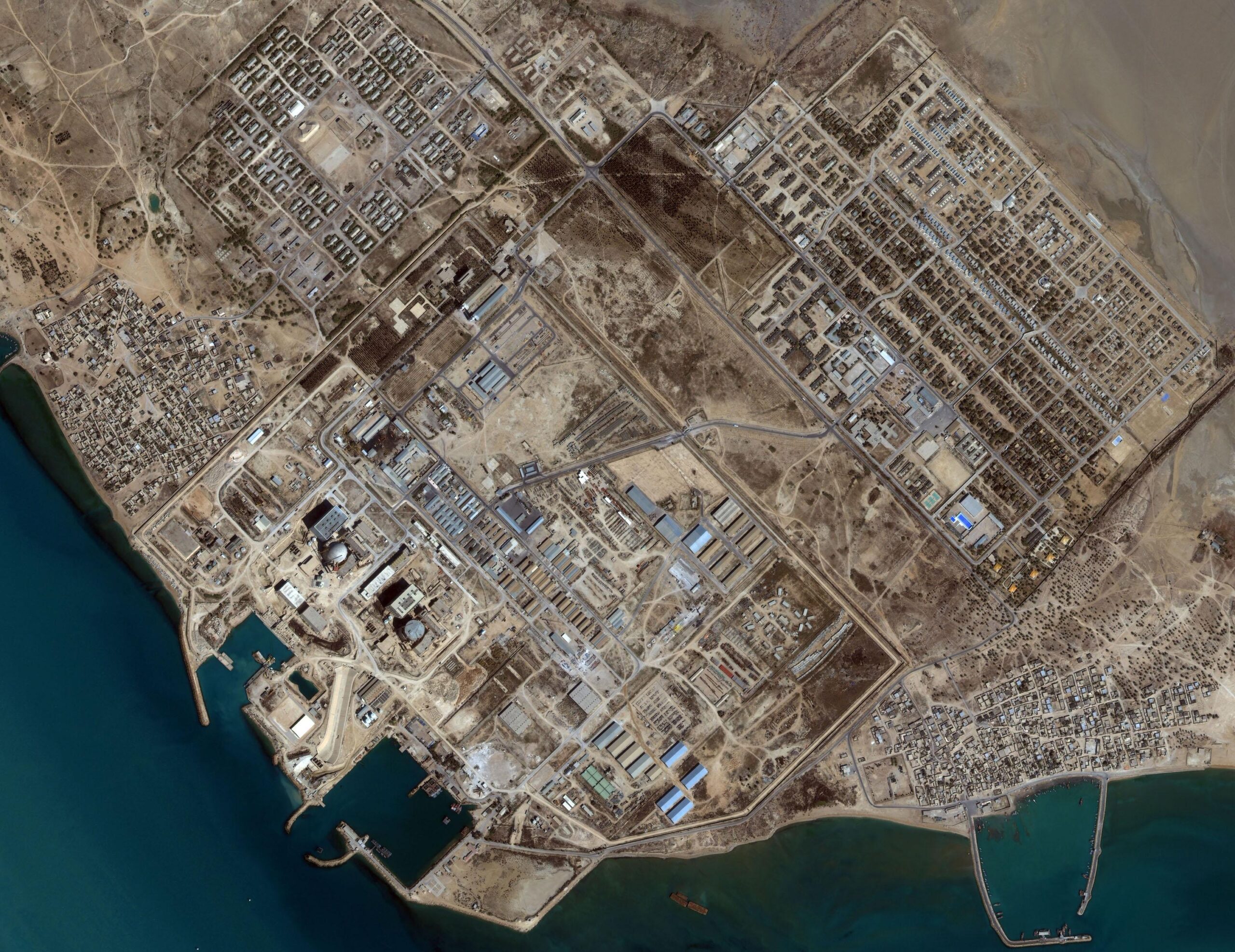
Economists warn that prolonged instability associated with the Gulf shipping lanes crisis could affect global economic growth.
Oil remains a central component of transportation, manufacturing, and energy production. Disruptions to supply chains often lead to increased costs across multiple industries.
Shipping companies may also face higher insurance premiums and additional security expenses when operating in regions experiencing geopolitical tension.
These costs frequently filter through global supply chains, influencing fuel prices and consumer goods worldwide.
Maintaining stability in maritime trade routes therefore remains a critical priority for governments and industry leaders.
Shipping companies increase safety planning
Commercial shipping companies are adjusting operational strategies in response to the Gulf shipping lanes crisis. Tanker operators are working closely with international maritime authorities to ensure safe passage through the region.
Enhanced monitoring systems, revised navigation protocols, and closer coordination with naval forces have become part of routine safety planning.
Industry experts say shipping companies must prepare for multiple scenarios while maintaining steady delivery schedules for global energy markets.
These preparations are intended to minimize potential disruptions linked to the Gulf shipping lanes crisis.
Outlook for global maritime security
The Gulf shipping lanes crisis continues to command attention from governments, financial markets, and the global shipping industry. Leaders around the world are urging diplomatic solutions to prevent escalation and protect energy trade routes.
The Persian Gulf remains a cornerstone of global oil supply, making stability in the region essential for economic confidence.
While security measures have increased, international cooperation remains the most effective tool for maintaining safe maritime commerce.
What the crisis means for the global economy
The ongoing Gulf shipping lanes crisis highlights how interconnected the global energy system has become. Maritime routes through the Persian Gulf carry vital oil shipments that power industries, transportation networks, and economies worldwide.
If diplomatic efforts succeed in easing tensions, shipping operations may continue with minimal disruption. However, prolonged instability could lead to higher oil prices, rising shipping costs, and increased economic uncertainty.
For governments, businesses, and investors, the situation underscores the importance of safeguarding international trade routes that support the global economy.