LONDON, United Kingdom – March 15, 2026: According to Parliament Politics Magazine, The Iran oil shipping threat has become one of the most serious geopolitical concerns facing global energy markets this year. Britain and several allied nations are reviewing potential responses after rising tensions in the Persian Gulf raised fears that shipping through the Strait of Hormuz could be disrupted.
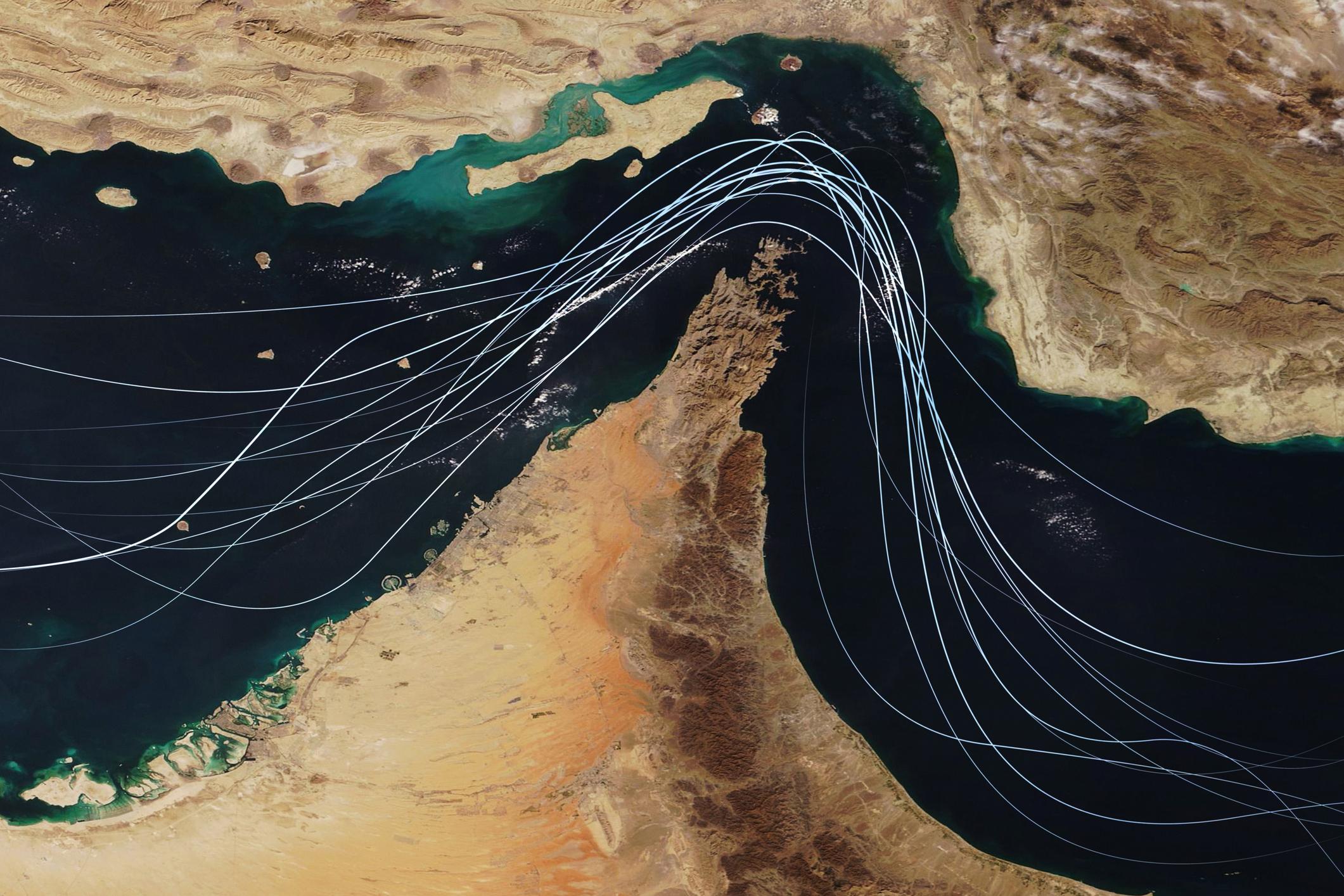
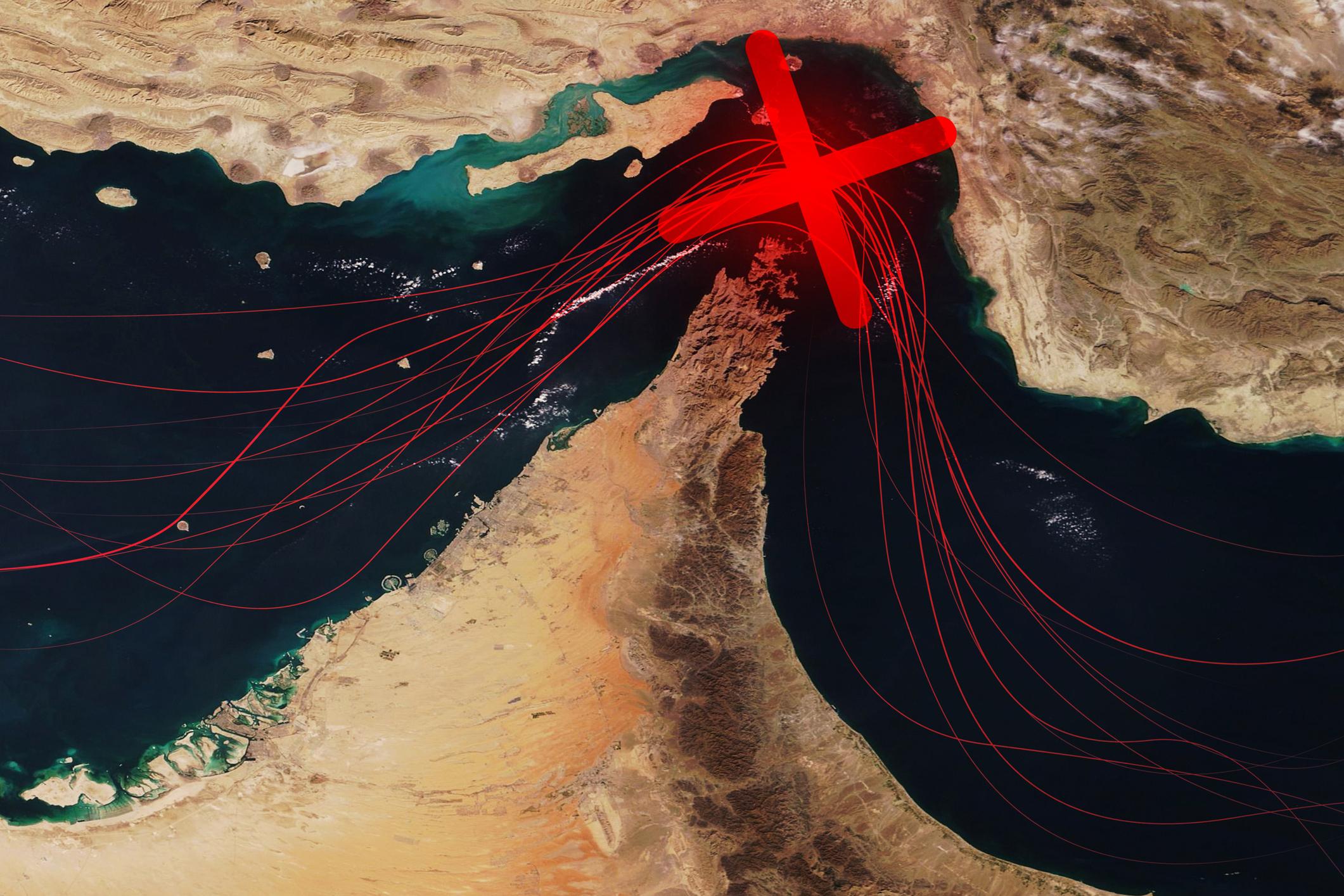
The narrow waterway between Iran and Oman is responsible for transporting nearly one fifth of the world’s oil supply. If shipping through the strait were blocked or threatened, energy markets around the world could experience immediate instability. Analysts warn that the growing Iran oil shipping threat has already begun influencing global oil prices and diplomatic discussions.
British officials confirmed that consultations with allies are underway to ensure commercial vessels can continue moving safely through one of the world’s most important energy corridors.
Strategic Importance of the Strait of Hormuz
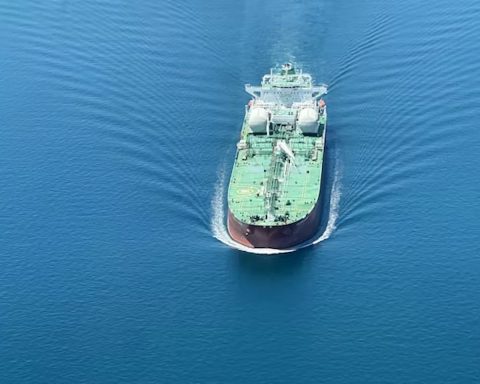
The Strait of Hormuz is widely considered the most critical maritime chokepoint for global energy supply. Oil tankers from major producers including Saudi Arabia Iraq Kuwait and the United Arab Emirates must pass through the passage before reaching international markets.
Because so much of the world’s energy trade depends on this route, the Iran oil shipping threat has drawn close attention from governments and energy companies alike. Any disruption could quickly push oil prices higher and disrupt global supply chains.
Energy analysts say there are few realistic alternatives to the Strait of Hormuz. While some pipelines bypass the corridor, they cannot handle the massive volume of oil transported by tankers each day.
Britain and Allies Review Security Options
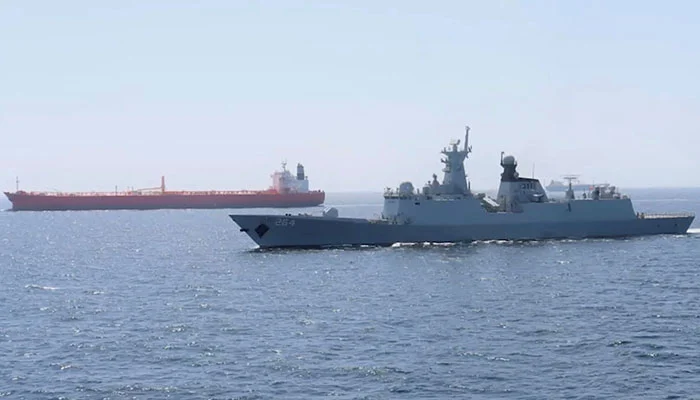
Britain and several Western partners are now examining how they might respond to the Iran oil shipping threat if tensions escalate further. Possible responses include increased naval patrols in the Gulf, enhanced surveillance operations, and diplomatic engagement aimed at preventing disruptions.
Military planners emphasize that protecting freedom of navigation remains a core international priority. The United Kingdom has previously participated in maritime security missions in the region to protect commercial shipping.
Experts say multinational cooperation may be necessary to ensure stability in the shipping lanes if tensions continue to rise.
Energy Markets React to Rising Tensions
The Iran oil shipping threat has already created volatility in global energy markets. Traders are closely monitoring developments in the Persian Gulf because even the possibility of disruptions can influence oil prices.
Energy economists say uncertainty surrounding supply routes often leads investors to anticipate shortages. This expectation can push prices higher before any physical disruption actually occurs.
Countries that depend heavily on imported energy could feel the economic effects quickly if the situation worsens. Transportation industries airlines and shipping companies are particularly sensitive to rising fuel costs.
Maritime Security Challenges in the Gulf
The narrow geography of the Strait of Hormuz makes the Iran oil shipping threat especially concerning for maritime security experts. At its narrowest point the shipping corridor is only a few miles wide which leaves vessels vulnerable to potential disruptions.
Security analysts note that even limited interference could affect tanker traffic moving through the passage. Because of this risk naval forces from several countries regularly patrol the area.
Defense planners are now considering whether additional security measures might be needed to ensure the safety of commercial vessels navigating the strait.
Historical Comparison With Past Gulf Conflicts
The current Iran oil shipping threat echoes earlier periods of tension in the Persian Gulf. During the late 1980s tanker war commercial vessels were targeted during the Iran Iraq conflict, prompting international naval escorts to protect oil shipments.
More recently in 2019 several tanker incidents in the region once again raised concerns about shipping safety in the Gulf. Although the strait remained open during those events they demonstrated how quickly tensions can disrupt global energy markets.
These historical experiences continue to shape how governments respond to threats against major maritime trade routes.
Expert Warning About Energy Security
Energy security specialists say the situation should not be underestimated.
“The Strait of Hormuz is the most important oil transit route on the planet. Any serious Iran oil shipping threat would instantly affect markets worldwide,”
said one maritime security analyst.
Experts believe maintaining open navigation through the strait is essential for the stability of the global economy.
Diplomatic Efforts to Prevent Escalation
While military planning is underway diplomatic efforts remain active. British officials have urged restraint and emphasized the importance of dialogue to address the Iran oil shipping threat before tensions escalate further.
Regional governments also have strong incentives to maintain stability because their economies depend heavily on uninterrupted energy exports.
International organizations continue to encourage diplomatic engagement as the most effective path to preventing disruptions to global trade.
Global Economic Consequences of Disruption
If the Iran oil shipping threat were to escalate into an actual disruption of tanker traffic the consequences could be severe. Oil prices would likely surge as markets react to the sudden reduction in available supply.
Higher energy prices could lead to inflation increased transportation costs and economic pressure across multiple industries.
Countries across Europe Asia and North America would feel the effects as supply chains adjust to changing energy conditions.
For this reason governments around the world are watching the situation closely.
When Global Trade Routes Become Flashpoints
The Iran oil shipping threat highlights how strategic maritime corridors remain central to global economic stability. The Strait of Hormuz serves as a vital artery for international energy supply making it both economically essential and geopolitically sensitive.
As Britain and its allies review options for protecting shipping routes the world’s energy markets remain on alert.
Global Energy Security at a Crossroads
The growing Iran oil shipping threat illustrates how geopolitical tensions can quickly place global energy supply at risk. Governments are balancing diplomacy security planning and international cooperation to ensure that the Strait of Hormuz remains open to commercial shipping.
For global markets the stakes are enormous. The stability of this narrow waterway influences energy prices economic growth and the security of supply chains around the world.
While diplomatic efforts continue the situation remains uncertain. The coming months may determine whether cooperation prevails or whether tensions reshape one of the most important trade routes on the planet.
Crisis Snapshot and Key Takeaways
The Iran oil shipping threat has become a central issue in global energy security as Britain and its allies examine ways to protect maritime trade routes. Rising tensions around the Strait of Hormuz highlight how vulnerable global oil supply chains remain to geopolitical conflict.
If shipping through the strait continues uninterrupted markets may stabilize. However any disruption could trigger economic consequences far beyond the Middle East. Governments and energy markets will continue to monitor developments closely as the situation evolves.