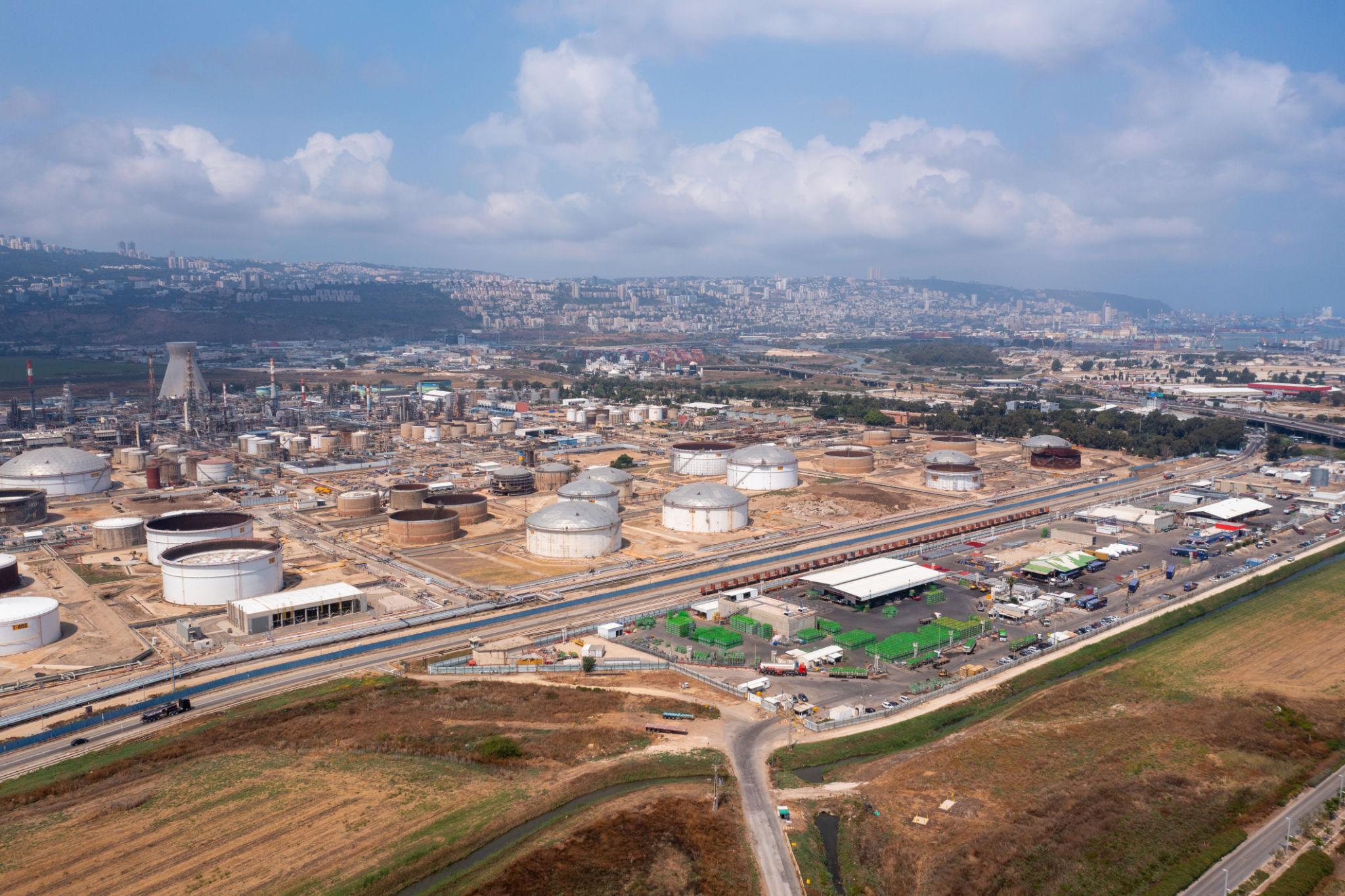
Haifa, Israel — March 20, 2026 — Parliament Politics Magazine — Haifa refinery explosion has intensified fears of a broader Middle East conflict after an Iranian missile struck a key energy facility, partially halting operations and triggering emergency response measures. The incident marks one of the most significant direct hits on Israel’s energy infrastructure in recent years.
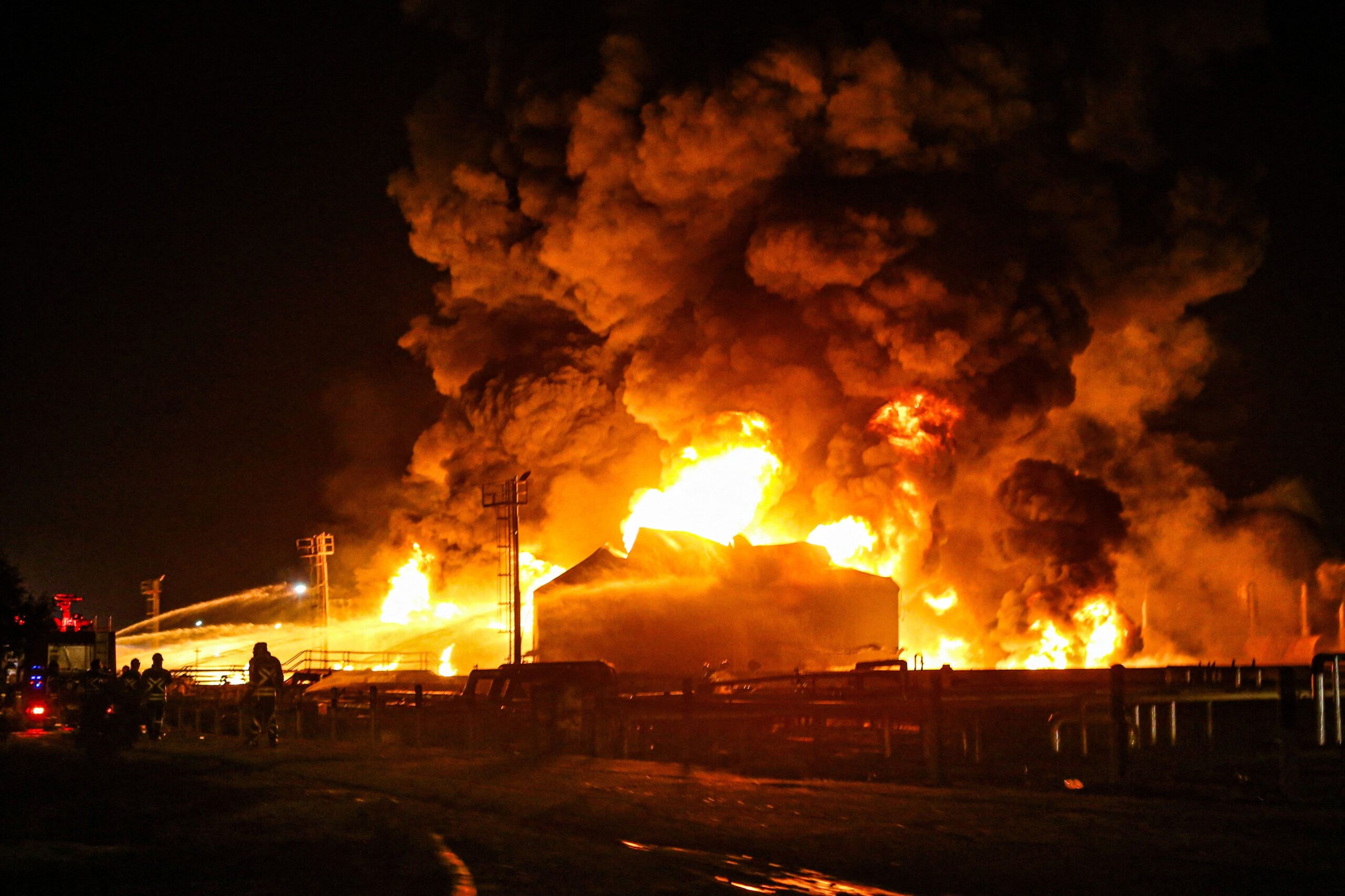
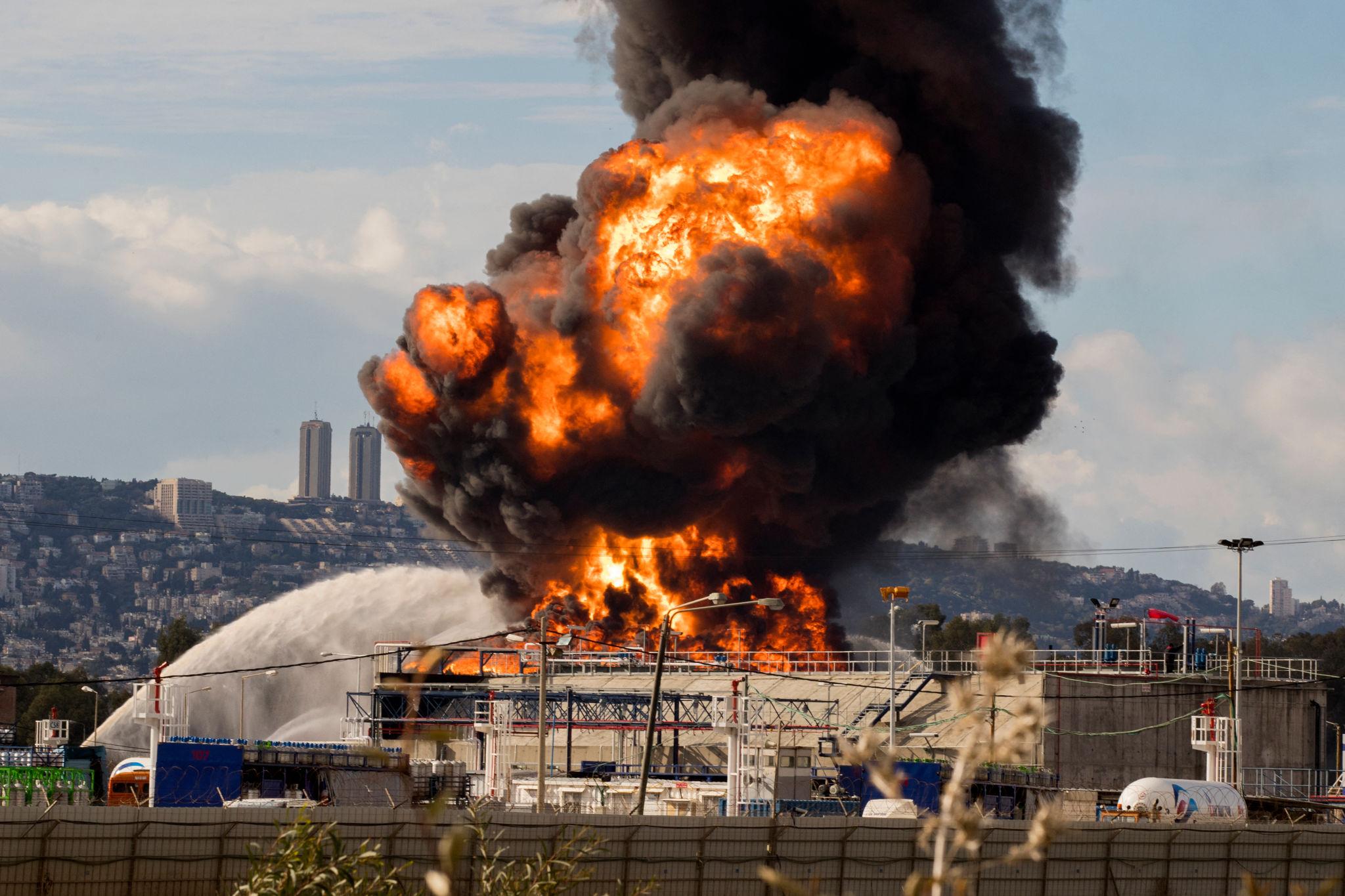
Officials confirmed that the explosion occurred within a major refinery complex in Haifa, sending plumes of smoke into the sky and forcing immediate shutdowns in parts of the facility. Emergency crews rushed to contain fires and assess the extent of structural damage.
Immediate Operational Disruptions
The Haifa refinery explosion has led to partial closures across several refining units, reducing fuel output and creating immediate pressure on supply chains. Authorities stated that while core systems remain intact, safety concerns required temporary suspension of operations.
Initial impacts include:
- Shutdown of select processing units
- Reduced refining capacity
- Emergency containment procedures activated
- Ongoing safety inspections
A senior energy official said:
“The damage is serious but controlled. Our priority is safety and restoring operations as quickly as possible.”
Escalation in Regional Conflict
The Haifa refinery explosion is being seen as a major escalation in the ongoing confrontation between Iran and Israel. Analysts warn that targeting energy infrastructure signals a dangerous shift in strategy, potentially leading to further retaliatory strikes.
Key concerns include:
- Increased risk of direct military confrontation
- Expansion of attacks on critical infrastructure
- Heightened tensions across neighboring countries
- This development follows weeks of growing instability and military exchanges in the region.
Global Energy Market Shock
Following the Haifa refinery explosion, global energy markets reacted sharply, with oil prices showing immediate volatility. Investors are increasingly concerned about supply disruptions and the potential for prolonged instability.
Market effects include:
- Rising crude oil prices
- Increased market uncertainty
- Concerns over shipping routes and supply chains
Experts warn that continued escalation could have long-term economic consequences worldwide.
Heightened Security Measures Across Israel
In the wake of the Haifa refinery explosion, Israeli authorities have elevated national security levels, deploying additional forces to protect critical infrastructure and urban centers.
Measures include:
- Increased military presence at strategic sites
- Activation of advanced air defense systems
- Expanded intelligence and surveillance operations
Officials have indicated that all options remain on the table, including potential retaliatory actions.
Civilian Concerns and Public Reaction
The Haifa refinery explosion has raised serious concerns among residents, particularly those living near industrial areas. Witnesses reported loud explosions and visible flames, prompting emergency alerts.
Authorities advised residents to:
- Stay away from affected zones
- Follow official safety instructions
- Remain alert for updates
One local resident described the moment:
“The blast shook our building. It felt like the situation escalated overnight.”
Strategic Importance of Haifa Facility
The facility impacted by the Haifa refinery explosion plays a critical role in Israel’s energy supply chain. Located in a major port city, it supports both domestic fuel needs and regional distribution.
Analysts highlight:
- Its importance to national energy security
- Its role in supporting transportation and industry
- Its strategic location near key maritime routes
The targeting of such infrastructure underscores the broader implications of the conflict.
Possible Motives Behind the Attack
The cause of the Haifa refinery explosion is still under investigation, but several possible motives are being considered:
- Retaliation for prior military actions
- Strategic disruption of energy supply
- Demonstration of missile capabilities
Experts believe the attack may have been intended to send a strong geopolitical signal.
International Reactions and Diplomatic Pressure
The Haifa refinery explosion has drawn global attention, with international leaders urging restraint and calling for diplomatic solutions to prevent further escalation.
Responses include:
- Calls for de-escalation from global organizations
- Diplomatic engagement to reduce tensions
- Monitoring by major world powers
However, uncertainty over future actions continues to complicate diplomatic efforts.
Economic Impact Beyond Energy
Beyond immediate energy disruptions, the Haifa refinery explosion could have wider economic consequences. Increased fuel costs and supply chain disruptions may impact industries across the region.
Potential effects include:
- Higher transportation costs
- Strain on manufacturing sectors
- Increased economic uncertainty
Businesses are closely monitoring developments as the situation unfolds.
Historical Context of Infrastructure Attacks
The Haifa refinery explosion fits into a broader historical pattern of targeting energy infrastructure during conflicts. Such attacks often lead to rapid escalation and significant economic consequences.
Historically, these incidents have:
- Triggered retaliatory actions
- Disrupted global markets
- Intensified geopolitical tensions
What Comes Next?
As investigations continue, the Haifa refinery explosion raises critical questions about the future of the conflict. Military and diplomatic responses in the coming days will likely shape the region’s trajectory.
Key questions include:
- Will Israel respond militarily?
- Could further infrastructure be targeted?
- How will global powers react?
Energy Crisis Alert
The Haifa refinery explosion has marked a dangerous escalation in Middle East tensions, disrupting energy operations and sending shockwaves through global markets. With security tightened and retaliation possible, the situation remains highly volatile.
The coming days will be crucial in determining whether this incident leads to broader conflict or renewed diplomatic efforts.