

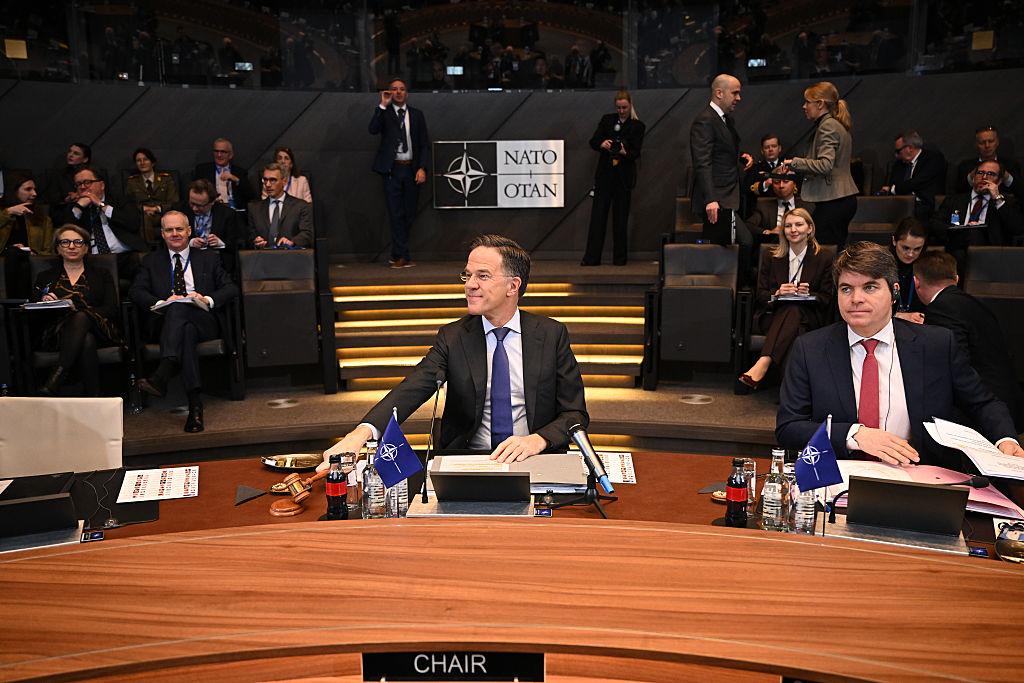
Paris, France — March 20, 2026 — Parliament Politics Magazine — Europe defense strategy faces a defining moment after a top counterterrorism official resigned in protest of the expanding US war on Iran, while French President Emmanuel Macron confirmed that France will not shift its focus away from Ukraine despite escalating tensions in the Middle East.
The resignation has sent shockwaves across intelligence and defense institutions, raising serious questions about unity within Western alliances and the long-term direction of Europe defense strategy during overlapping global crises.
Macron Reinforces Europe’s Strategic Direction
President Macron made it clear that France remains committed to Ukraine, signaling that Europe defense strategy will continue to prioritize stability on the European continent.
“We cannot allow global conflicts to distract us from our core responsibilities. Europe’s security begins with Ukraine,”
Macron stated.
His remarks highlight a deliberate attempt to maintain consistency in policy, even as pressure grows from developments involving Iran and the broader Middle East.
Resignation Raises Concerns Inside Europe Defense Strategy
The resignation of a senior counterterrorism official has intensified debate among policymakers and security experts. Sources suggest the official opposed the expansion of military operations against Iran, warning it could undermine Europe defense strategy.
The concern is that increasing involvement in the Middle East may dilute Europe’s ability to respond effectively to threats closer to home.
A senior analyst commented:
“This is more than a resignation. It’s a signal that Europe defense strategy is facing internal disagreements at the highest levels.”
US-Israel Military Actions Add Strategic Pressure
The joint military operations carried out by the United States and Israel have added complexity to Europe defense strategy. While some European leaders support the effort, others fear that escalation could trigger a wider regional conflict.
Security experts argue that Europe defense strategy must now adapt to a rapidly evolving geopolitical landscape, where multiple conflicts are unfolding simultaneously.
The risk, they say, is strategic overstretch—where resources and attention are divided across too many fronts.
Balancing Ukraine and Middle East Priorities
A key challenge for European leaders is maintaining balance between the Ukraine war and the Middle East crisis. Macron’s stance indicates that France intends to keep Europe defense strategy focused on Eastern Europe.
This approach reflects concerns that shifting attention away from Ukraine could weaken Europe’s position against ongoing regional threats.
However, the growing intensity of the Iran conflict is forcing policymakers to reconsider how flexible Europe defense strategy should be in responding to global developments.
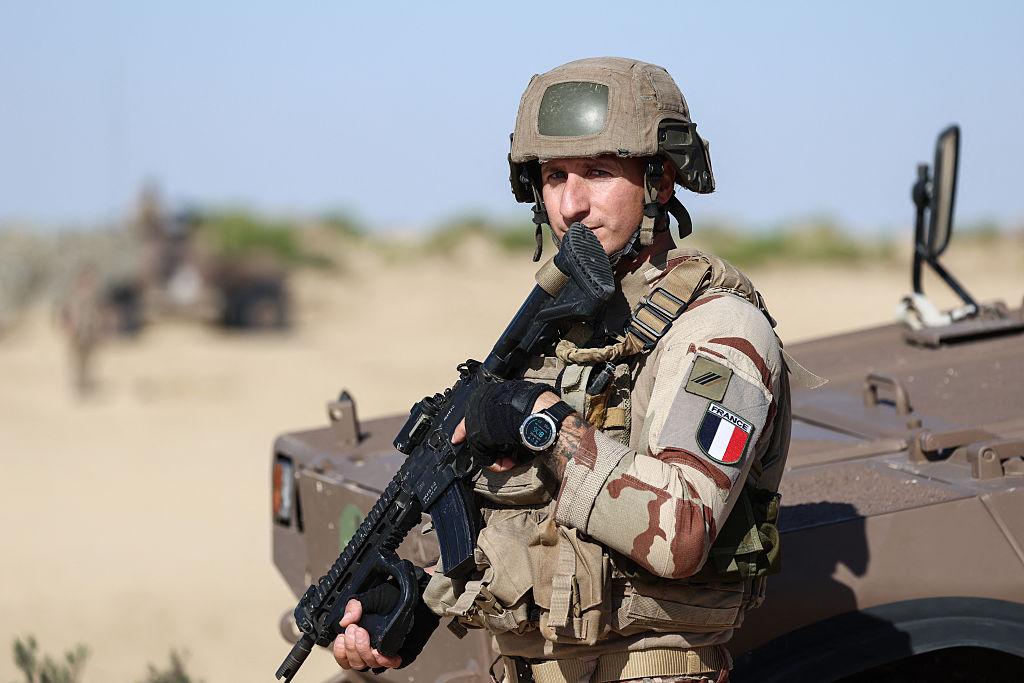
Intelligence Coordination at Risk
The resignation has also raised alarms within the intelligence community. Counterterrorism operations depend on strong coordination among allies, and disagreements over Europe defense strategy could disrupt these efforts.
Officials warn that any breakdown in unity may create vulnerabilities that adversaries could exploit.
one intelligence source said.
“If Europe defense strategy becomes fragmented, the consequences could be severe.”
Economic and Political Impact Across Europe
The geopolitical uncertainty surrounding the US war on Iran is already affecting global markets. Energy prices have shown volatility, reflecting fears of supply disruptions.
At the same time, political debates are intensifying across Europe. Governments are under pressure to clarify their positions and strengthen Europe defense strategy to address emerging risks.
The resignation has become a focal point in these discussions, with critics arguing that current strategies lack cohesion.
Historical Context: Strategic Divisions Are Not New
History demonstrates that major conflicts often expose divisions among allies. From past interventions in Iraq and Syria to ongoing debates within NATO, disagreements have shaped policy outcomes.
Today, Europe defense strategy is once again at the center of such divisions, highlighting the challenges of maintaining unity in a complex global environment.
Future Outlook: A Critical Test Ahead
Looking forward, Europe faces a critical test. Diplomatic efforts are expected to intensify as leaders seek to manage escalating tensions.
However, the resignation suggests that achieving consensus on Europe defense strategy may prove difficult.
The coming weeks will likely determine whether European nations can align their priorities or continue to diverge in their approaches to global security.
Europe Defense Strategy at a Crossroads
The resignation of a top counterterrorism official, combined with Macron’s firm stance on Ukraine, marks a pivotal moment for Europe defense strategy.
As multiple conflicts unfold, Europe must decide how to balance its commitments while maintaining unity and effectiveness.
The outcome will shape not only regional security but also Europe’s role in the global order for years to come.
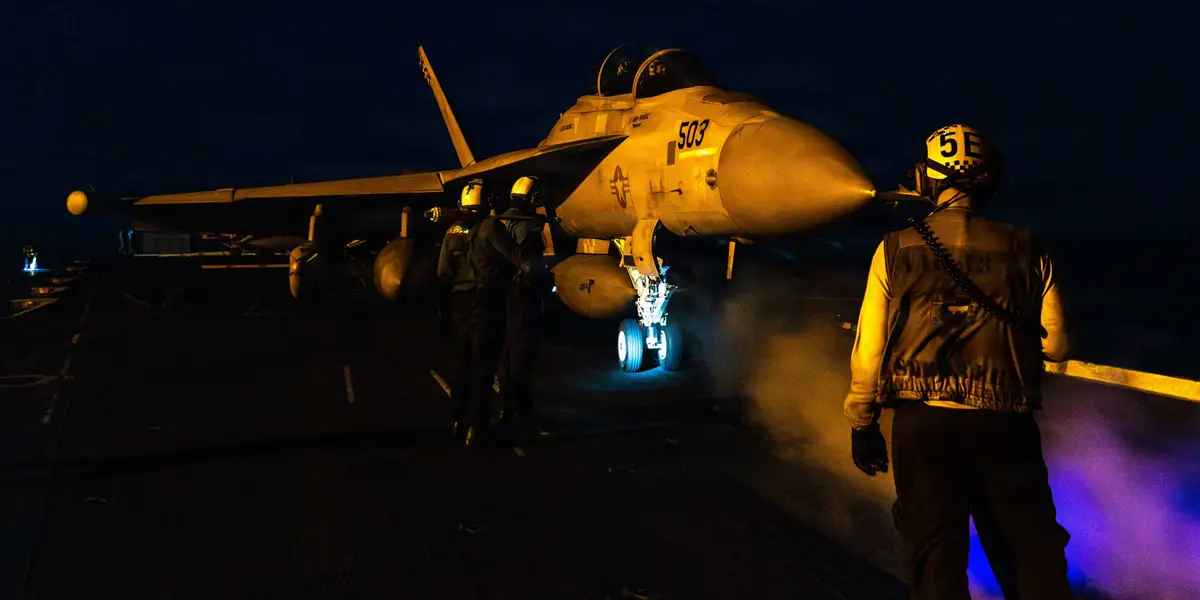
What This Resignation Really Means
- Europe defense strategy shaken by high-level resignation
- Macron maintains strong focus on Ukraine
- US war on Iran increases geopolitical pressure
- Intelligence coordination faces new risks
- Europe enters a critical phase of strategic decision-making
