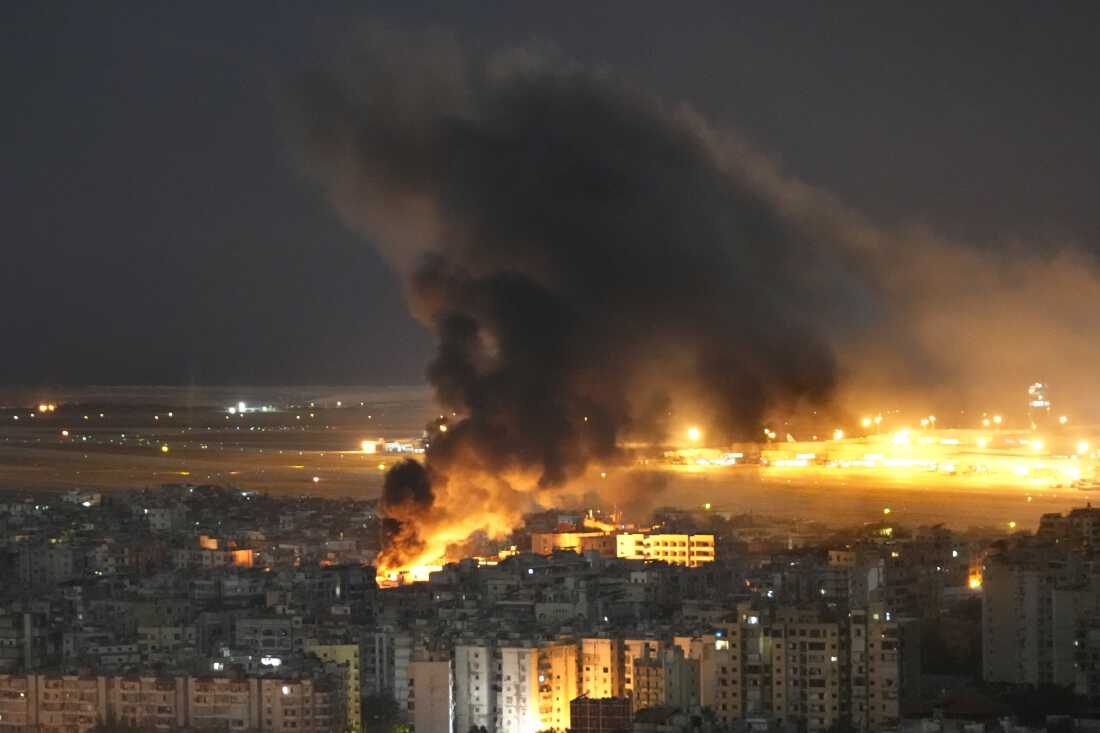
Washington — March 19, 2026 — Parliament Politics Magazine — US foreign policy enters dangerous phase amid Iran tensionsUS foreign policy is facing one of its most critical tests in Washington, 2026, as former President Donald Trump publicly urged Israel not to repeat strikes on Iranian energy infrastructure. The warning comes at a time when a top U.S. counterterrorism official has resigned in protest, signaling deep internal concerns over the direction of the escalating conflict with Iran.
The situation has quickly evolved into a defining moment for US foreign policy, raising questions about leadership, strategy, and the long-term consequences of military escalation in the Middle East.
Trump’s Warning Raises Strategic Concerns
Trump’s statement has added urgency to an already volatile situation. During a public address, he warned that continued strikes on Iranian energy facilities could trigger a broader regional conflict.
“You hit energy targets again, and you risk a war that goes far beyond the region,”
Trump said.
This warning reflects growing anxiety surrounding US foreign policy, particularly regarding how closely Washington aligns with Israeli military actions. Analysts suggest that such public caution from a former U.S. leader highlights the seriousness of the crisis.
Shock Resignation Exposes Policy Divide
In a dramatic development, a senior counterterrorism official resigned, citing disagreement with current strategies shaping US foreign policy toward Iran. The official described the trajectory as “dangerously unclear” and warned of unintended consequences.
“We are heading toward a conflict without a clear exit strategy,”
the official stated.
The resignation underscores internal divisions within the U.S. government and raises concerns about whether US foreign policy is being driven by short-term reactions rather than long-term planning.
Energy Infrastructure at the Center of Conflict
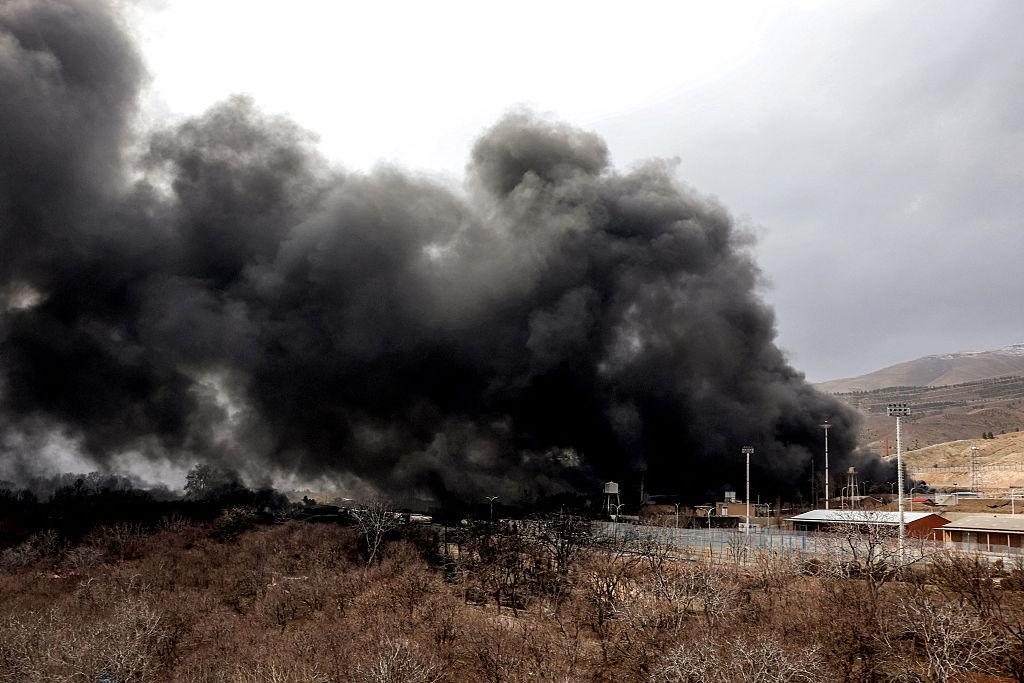
Iran’s energy sector has become a focal point in the escalating tensions. Israeli strikes targeting oil and gas facilities are seen as attempts to weaken Iran economically, but they also risk destabilizing global markets.
Experts warn that such actions could have ripple effects across US foreign policy, including:
- Increased global oil prices
- Threats to shipping routes in key waterways
- Escalation of retaliatory attacks
The targeting of energy infrastructure transforms the conflict into a broader economic issue, placing additional pressure on US foreign policy decision-makers.
Global Markets Respond to Rising Risks
Financial markets are reacting swiftly to the uncertainty. Oil prices have shown volatility, and investors are moving toward safer assets as concerns grow.
Economic analysts emphasize that the direction of US foreign policy will play a critical role in determining whether:
- Inflation pressures intensify
- Global trade slows
- Economic recovery weakens
The connection between US foreign policy and global economic stability is becoming increasingly evident.
Diplomatic Efforts Struggle to Gain Traction
Efforts to de-escalate tensions through diplomacy are underway, but progress remains limited. Several nations have called for restraint, urging both Israel and Iran to avoid further escalation.
However, the resignation of a key official complicates these efforts, as it suggests a lack of unified direction in US foreign policy. Without clear leadership, diplomatic initiatives may struggle to achieve meaningful results.
Military Tensions Continue to Rise
Military activity in the region has intensified, with increased deployments and heightened alert levels. The risk of miscalculation remains high, particularly as multiple actors operate in close proximity.
Experts warn that US foreign policy decisions in the coming days could determine whether:
- The conflict remains contained
- Regional actors become more deeply involved
- A broader war becomes unavoidable
The stakes for US foreign policy have rarely been higher.
Historical Patterns Offer Warning Signs
The current crisis echoes past conflicts in the Middle East, where initial strikes led to prolonged periods of instability. Historically, targeting economic infrastructure has often resulted in rapid escalation.
These patterns highlight the risks facing US foreign policy, particularly if lessons from previous conflicts are not applied. Analysts caution that failure to act decisively could lead to long-term consequences.
Domestic Reactions Reflect Deep Divisions
Within the United States, reactions to the crisis are mixed. Some leaders support strong measures against Iran, while others question the sustainability of current strategies.
Public opinion is similarly divided, reflecting broader debates about the role of US foreign policy in global conflicts. The resignation of a senior official has intensified these discussions, drawing attention to internal disagreements.
The Path Forward Remains Uncertain
As tensions continue to rise, the future of US foreign policy remains uncertain. Key questions include:
- Will Israel adjust its military strategy?
- How will Iran respond to continued pressure?
- Can diplomatic efforts prevent further escalation?
The answers to these questions will shape not only the current crisis but also the future direction of US foreign policy on the global stage.
Policy Breakdown 2026
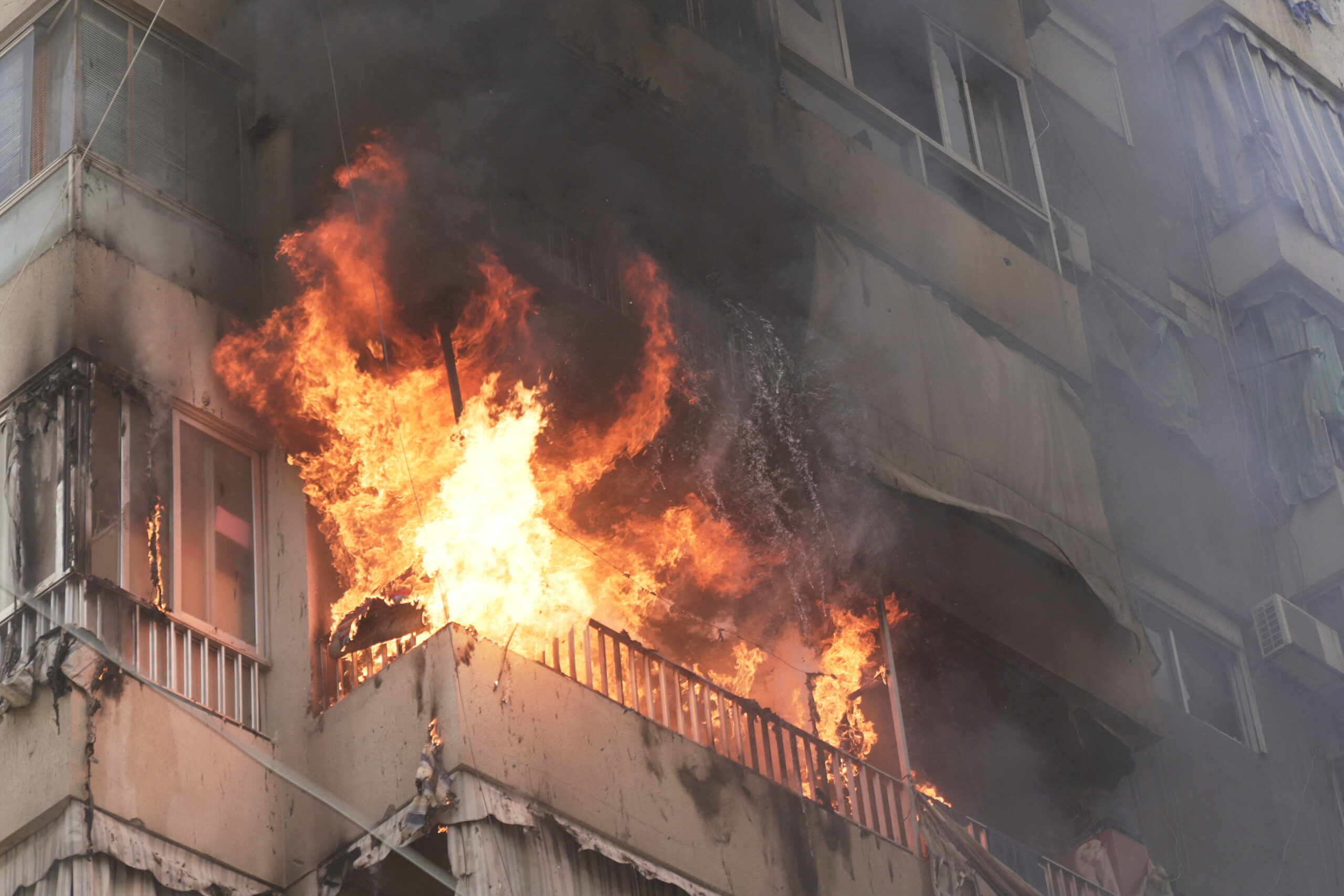
The US foreign policy crisis has reached a pivotal moment as Trump warns Israel against escalating attacks on Iranian energy infrastructure. At the same time, the resignation of a top counterterrorism official exposes deep internal divisions within Washington.
With global markets reacting, military tensions rising, and diplomacy under strain, US foreign policy is being tested like never before. The coming days will determine whether the situation stabilizes—or escalates into a wider conflict.