London — March 20, 2026 — Parliament Politics Magazine — Iran global threat warning is now at the center of a rapidly escalating international crisis, as a top counterterrorism official has resigned in protest of the United States’ expanding war posture against Iran. The resignation comes amid growing fears that the conflict is shifting beyond regional boundaries and entering a dangerous global phase.
The move follows Iran’s latest statements suggesting that targets linked to the United States and Israel may no longer be safe anywhere in the world, signaling a dramatic escalation in both rhetoric and perceived risk.
A Resignation That Signals a Major Policy Divide
The departure of a senior counterterrorism figure is being viewed as a clear sign of internal conflict within U.S. national security leadership. Sources close to the matter indicate the official opposed the current strategy, warning it could significantly increase global instability.
The Iran global threat warning has amplified concerns that current military actions may trigger retaliation beyond traditional conflict zones.
A senior intelligence insider said:
“We are not just dealing with a regional war anymore. The risks are expanding globally, and that is what alarmed many inside the system.”
The resignation highlights a growing divide between those advocating for aggressive action and those urging caution to prevent wider consequences.
Iran’s Warning Expands the Battlefield
Iran’s recent statements have intensified global concern. Officials warned that public spaces and international locations linked to their adversaries could become potential targets.
This Iran global threat warning represents a shift in strategy, signaling that retaliation may not be confined to military sites but could extend to broader, less predictable locations.
Security agencies worldwide have begun increasing alert levels, particularly in major cities and diplomatic hubs. Governments are quietly preparing for scenarios that include unconventional threats and cross-border operations.
Global Security Agencies on High Alert
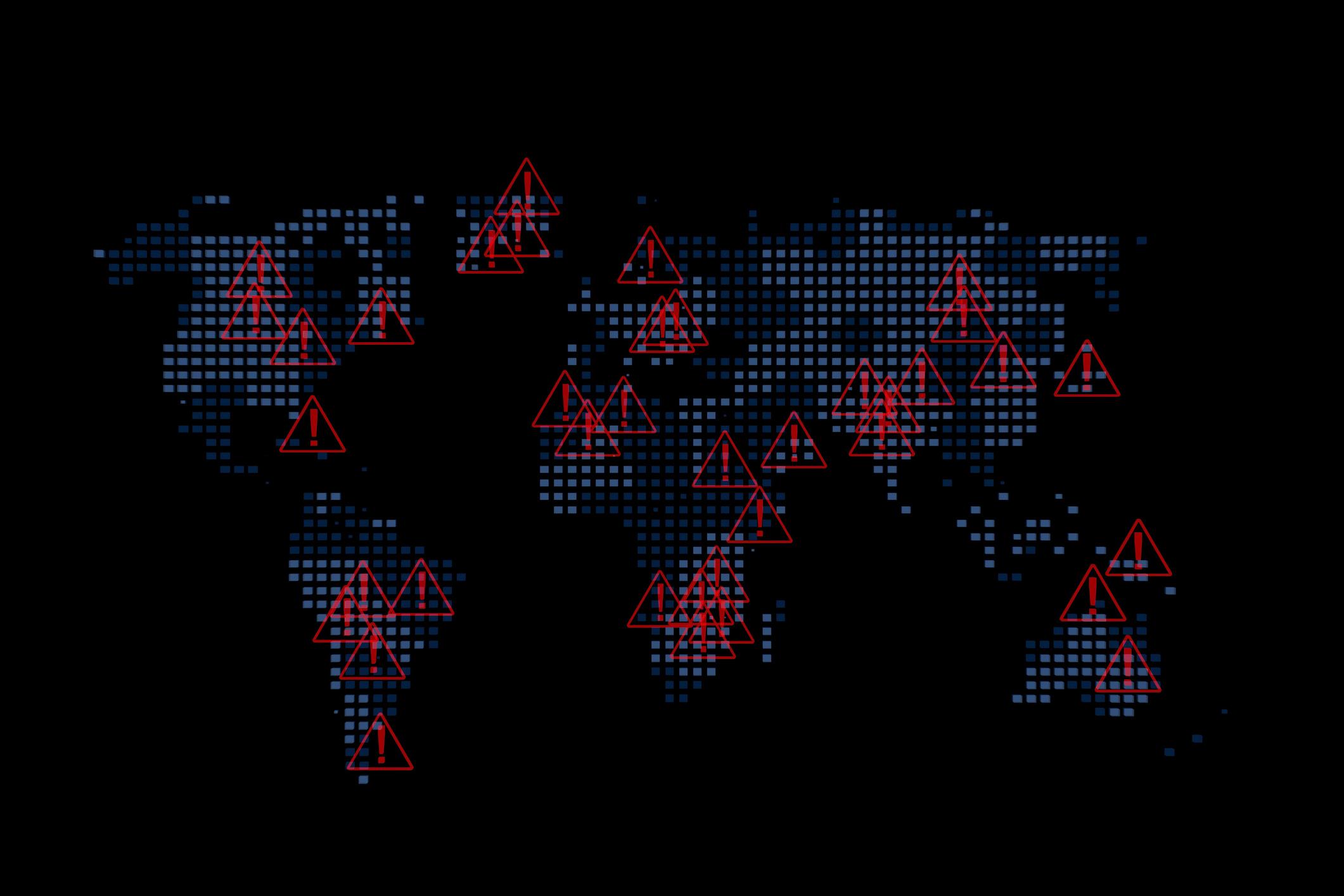
Following the Iran global threat warning, intelligence agencies across Europe, North America, and Asia have heightened protective measures for officials and critical infrastructure.
The U.S. Department of Homeland Security has already described the current threat environment as “very dangerous,” reflecting concerns about both domestic and international risks.
Experts warn that the evolving situation may include:
- Cyberattacks targeting financial and energy systems
- Threats to diplomats and government officials abroad
- Increased activity from proxy groups
- Disruption of transportation and global logistics
The warning has effectively expanded the scope of the conflict to a worldwide level.
Escalation Fueled by Ongoing Military Strikes
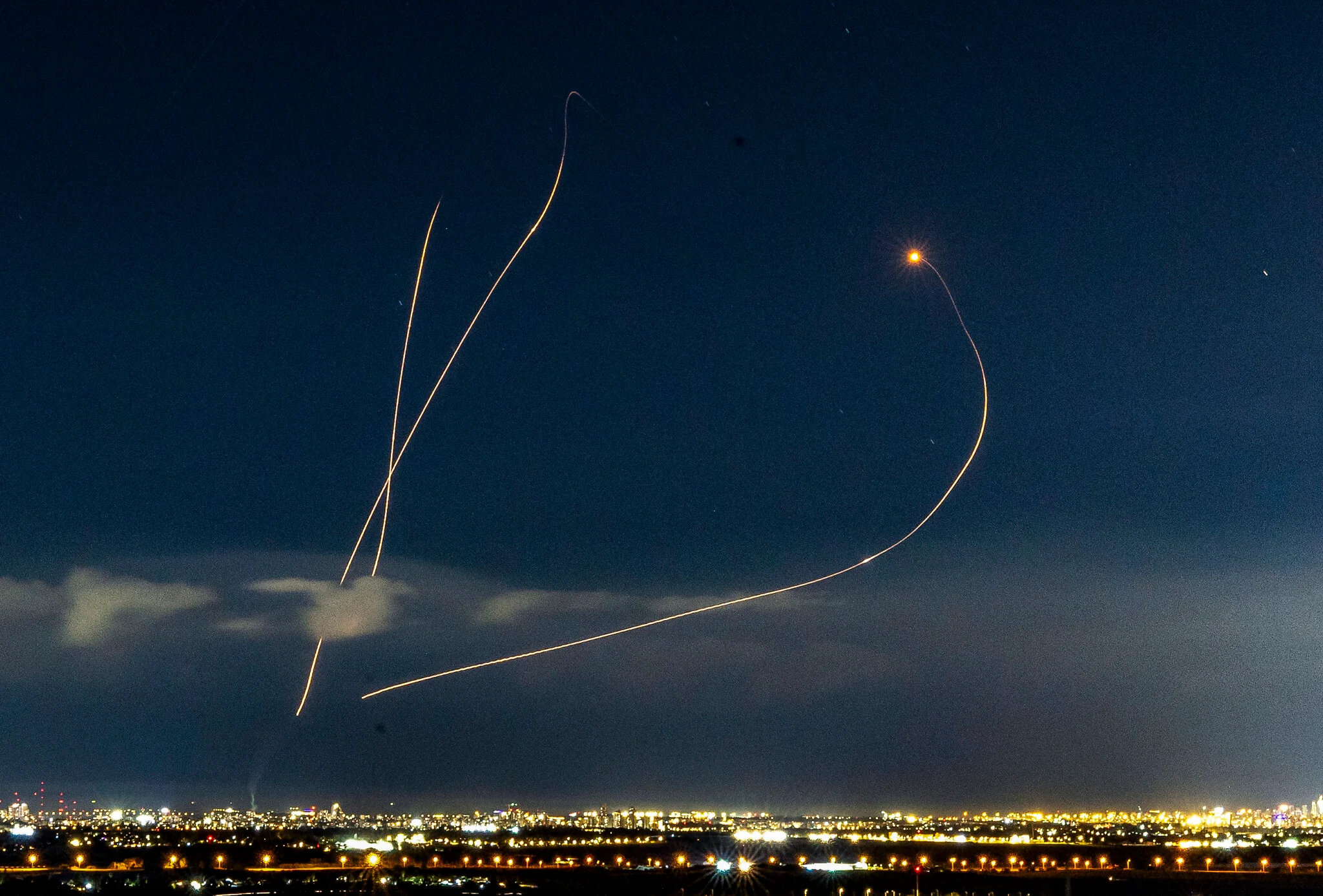
The resignation comes amid ongoing strikes and counterstrikes between Iran, the United States, and Israel. Recent attacks on energy infrastructure and military targets have intensified tensions and triggered retaliation across the region.
Iran has already demonstrated its willingness to respond with force, targeting facilities across the Gulf and launching drone and missile attacks on strategic assets.
The Iran global threat warning now suggests that future responses could take place far beyond the Middle East.
Economic Shockwaves Begin to Spread
The crisis is not only a security concern but also an economic one. Global energy markets have reacted sharply, with oil and gas supplies disrupted and prices surging.
The International Energy Agency has described the situation as one of the most severe energy crises in history, with major supply routes impacted.
At the same time, the International Monetary Fund has warned that prolonged instability could drive inflation higher and slow global economic growth.
The Iran global threat warning is now influencing corporate decisions, travel advisories, and investment strategies worldwide.
Why the Resignation Matters
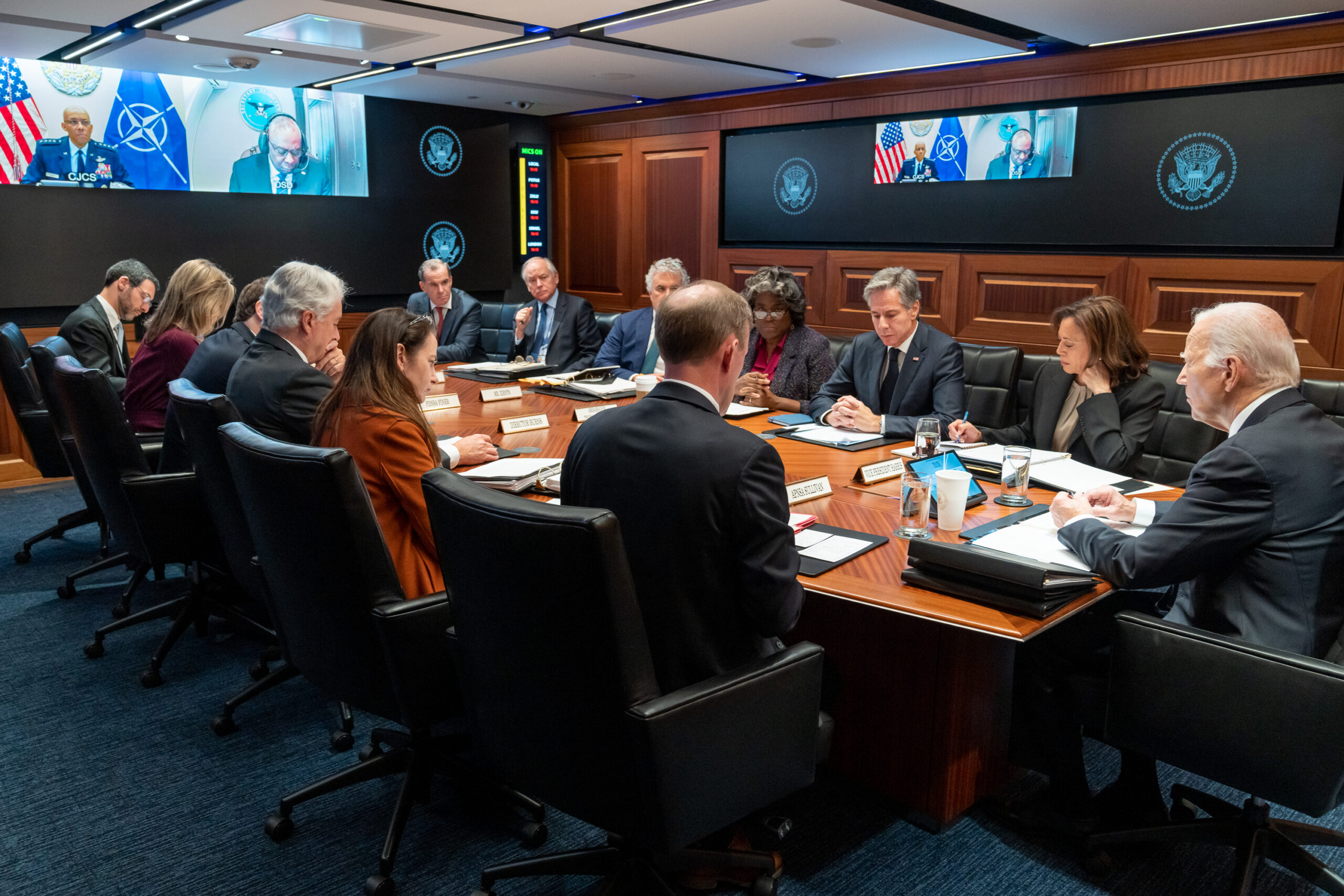
The resignation is significant because it reflects concerns from within the very institutions tasked with managing global security threats.
According to sources, the official believed that escalating military action could:
- Increase global terrorism risks
- Undermine long-term counterterrorism strategies
- Trigger unpredictable retaliatory attacks
- Create new recruitment narratives for extremist groups
The repeated emphasis on the Iran global threat warning indicates that internal warnings may not have been fully addressed before the situation escalated.
Allies Urge Restraint
International allies have responded cautiously, urging de-escalation and diplomatic engagement.
Several nations have called for renewed negotiations, warning that continued escalation could lead to a broader conflict involving multiple regions and actors.
The Iran global threat warning has prompted emergency meetings among global leaders, with discussions focused on preventing the crisis from spiraling further.
A New Era of Globalized Conflict
Experts say the current situation reflects a broader trend in modern warfare, where conflicts are no longer confined to geographic boundaries.
The Iran global threat warning highlights the increasing role of:
- Cyber warfare across borders
- Proxy conflicts in multiple regions
- Targeted operations against individuals worldwide
- Hybrid threats combining physical and digital attacks
This shift presents new challenges for governments and security agencies.
Political Fallout in Washington
The resignation has sparked debate within U.S. political circles, with lawmakers questioning the direction of current policy.
Some argue that stronger action is necessary to deter threats, while others warn that escalation may create more risks than it resolves.
The Iran global threat warning has become a central issue in these discussions, raising questions about accountability and long-term strategy.
Public Reaction and Media Focus
Public concern is growing as headlines emphasize the global nature of the threat. Search trends show increased interest in topics related to war, terrorism, and international security.
The phrase Iran global threat warning has quickly become a dominant keyword in global media coverage, reflecting the seriousness of the situation.
What Happens Next?
The coming days and weeks will be critical. Key developments to watch include:
- Diplomatic efforts to reduce tensions
- Military actions in the Middle East
- Intelligence assessments of potential threats
- Economic indicators tied to energy markets
The situation remains highly volatile, with no clear path forward.
A Critical Turning Point
The resignation of a top counterterrorism official, combined with the Iran global threat warning, marks a major turning point in the current crisis.
It signals:
- Deep divisions within U.S. leadership
- Rising risks of global retaliation
- Increased threats to officials and infrastructure worldwide
- Growing concern among international allies
As tensions continue to escalate, the Iran global threat warning is likely to remain a defining factor in global security discussions.