
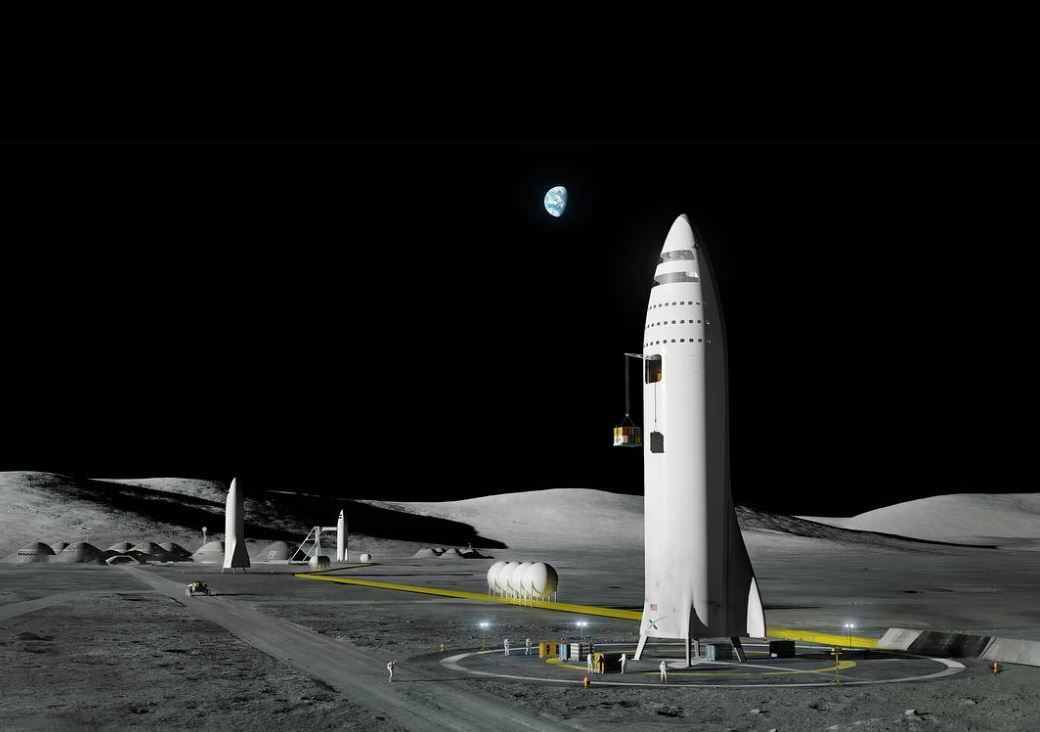
United States, February 9, 2026 — Parliament News — The SpaceX Moon project has emerged as a defining force in the United States’ evolving approach to space exploration, signaling a shift toward achievable, long-term lunar development. As space policy discussions intensify, the Moon is increasingly viewed as the next logical frontier for sustained human activity beyond Earth.
This renewed focus reflects a broader reassessment of priorities, balancing ambition with technological readiness and economic sustainability.
Strategic Direction Signals a New Era
SpaceX has spent years advancing deep-space concepts, particularly human missions to Mars. Recent strategic decisions, however, point toward a deliberate emphasis on lunar infrastructure as a foundation for future exploration.
By advancing the SpaceX Moon project, the company aligns near-term feasibility with long-term vision, allowing systems to be tested, refined, and scaled in an environment closer to Earth.

Why the Moon Has Taken Center Stage
The Moon’s proximity offers operational advantages unmatched by other destinations. Shorter travel times, near-real-time communication, and established orbital pathways create a setting well suited for experimentation and growth.
In this context, the SpaceX Moon project represents a calculated move to build operational maturity before pursuing more distant and complex missions.
Elon Musk Frames the Shift Toward Sustainability
Elon Musk has repeatedly stressed that sustainable progress outweighs symbolic achievements in space exploration.
“The Moon gives us a realistic environment to build systems that actually last,” Musk said.
His comments underscore the philosophy guiding the SpaceX Moon project, which prioritizes endurance, adaptability, and long-term presence.
Infrastructure Becomes the Primary Objective
Rather than focusing on brief visits, SpaceX’s current roadmap emphasizes permanent infrastructure. Energy generation, radiation shielding, and life-support systems are being designed for continuous operation under harsh lunar conditions.
Robotic construction and autonomous maintenance reduce reliance on constant human intervention, strengthening the scalability of the SpaceX Moon project.
Starship’s Role in Enabling Lunar Scale
The reusable Starship vehicle remains central to lunar ambitions. Its heavy-lift capability allows the transport of large habitats, power systems, and construction equipment.
This capacity fundamentally reshapes lunar economics, transforming the SpaceX Moon project from a conceptual vision into an operational pathway.
United States Policy Aligns With Lunar Development
The shift toward lunar focus aligns with broader national objectives. A stable presence on the Moon enhances scientific leadership, supports innovation, and reinforces strategic positioning in space.
Within this framework, the SpaceX Moon project complements public initiatives by accelerating timelines and expanding technical capability through private-sector execution.
Scientific Opportunity Beyond Earth
Continuous lunar access opens unprecedented research opportunities. Astronomical observation, geological study, and materials science benefit from conditions unavailable on Earth.
Researchers increasingly view the SpaceX Moon project as a platform for sustained discovery rather than isolated experimentation.
Commercial Activity Gains Momentum
Lunar infrastructure also introduces commercial potential. Manufacturing in reduced gravity, resource processing, and advanced energy research represent emerging sectors.
Private investors show growing interest in technologies aligned with the SpaceX Moon project, particularly robotics and autonomous systems.
Engineering Challenges Shape Development
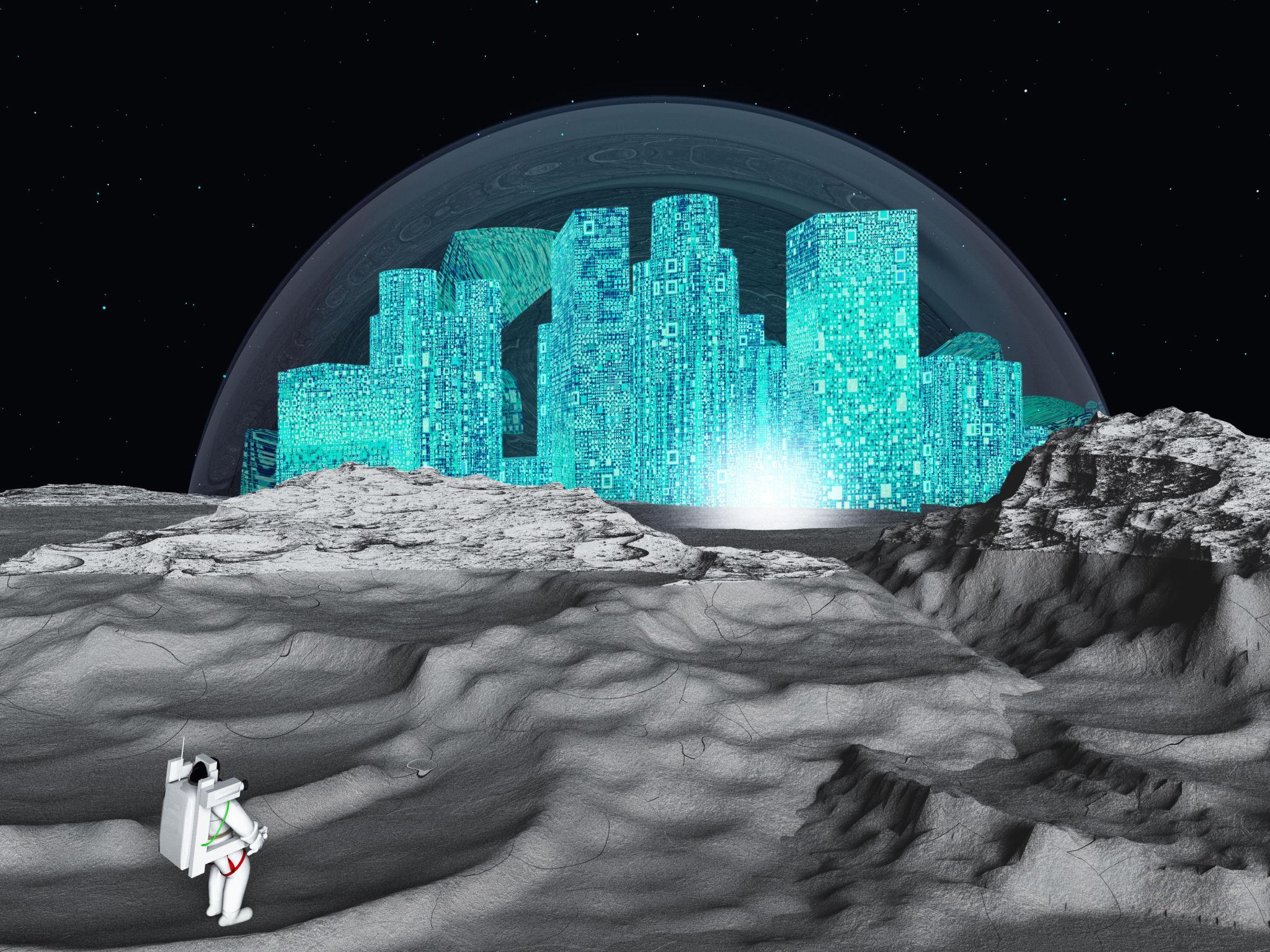
Despite optimism, lunar development presents formidable challenges. Abrasive dust, radiation exposure, and extreme temperature swings demand advanced engineering solutions.
SpaceX approaches these obstacles through phased deployment, a principle embedded in the SpaceX Moon project strategy.
Human Health and Long Duration Missions
Extended lunar stays introduce physiological and psychological concerns. Reduced gravity, isolation, and altered circadian rhythms require continuous monitoring.
Medical research associated with the SpaceX Moon project aims to establish protocols that support crew wellbeing over long durations.
From Exploration to Continuity
Early lunar missions demonstrated that humans could reach the Moon, but sustainability remained elusive. Those efforts focused on short-term exploration rather than permanence.
Today’s SpaceX Moon project marks a historic evolution, reframing the Moon as a place for ongoing activity rather than fleeting achievement.
Governance and Legal Considerations
As lunar presence expands, questions around governance and resource use become more pressing. Existing international agreements were designed for exploration, not habitation.
Legal analysts suggest initiatives like the SpaceX Moon project could accelerate updates to global space governance frameworks.
Environmental Responsibility Beyond Earth
Sustainability extends beyond Earth’s atmosphere. SpaceX has emphasized minimizing long-term environmental impact while developing lunar infrastructure.
Responsible planning within the SpaceX Moon project aims to balance expansion with preservation.
Industry Confidence and Market Response
Financial observers often view lunar development as lower risk compared to deep-space colonization. Gradual progress supports investor confidence.
The SpaceX Moon project reflects a model of steady advancement grounded in proven technology.
International Interest Intensifies
Space agencies worldwide monitor lunar progress closely. A functioning lunar infrastructure could support multinational research and collaboration.
The SpaceX Moon project may serve as a catalyst for broader international cooperation in space.
Voices From the Scientific Community
Experts emphasize the importance of continuity in space operations.
“Sustained lunar activity changes everything about how we study space,” said a US-based planetary scientist.
Another researcher noted:
“The Moon is no longer a destination, it’s becoming an environment.”
Preparing for the Next Phase
Upcoming missions focus on validating surface systems, autonomous construction, and long-term power generation. Each stage builds on lessons from previous deployments.
The success of these efforts will shape the future trajectory of the SpaceX Moon project.
A Shift in Exploration Philosophy
The renewed emphasis on the Moon reflects a broader philosophical change. Rather than racing toward distant goals, SpaceX is prioritizing resilience and continuity.
In this approach, the SpaceX Moon project represents a measured path toward permanent off-world presence.
When the Moon Becomes Part of Daily Human Activity
The ultimate benchmark of success lies in normalization. A stable lunar presence would integrate the Moon into humanity’s economic and scientific systems.
If realized, the SpaceX Moon project may mark the transition from exploration to settlement.
Redefining Humanity’s Relationship With Space
By focusing on sustainability, infrastructure, and gradual expansion, SpaceX is redefining how humanity approaches space.
The SpaceX Moon project stands as a pivotal chapter in this transformation.
A Foundation for Generations Ahead
Rather than chasing milestones, SpaceX is laying foundations. The Moon offers a proving ground where humanity learns how to live beyond Earth.
In this sense, the SpaceX Moon project may be remembered as the moment space became a place to stay.