

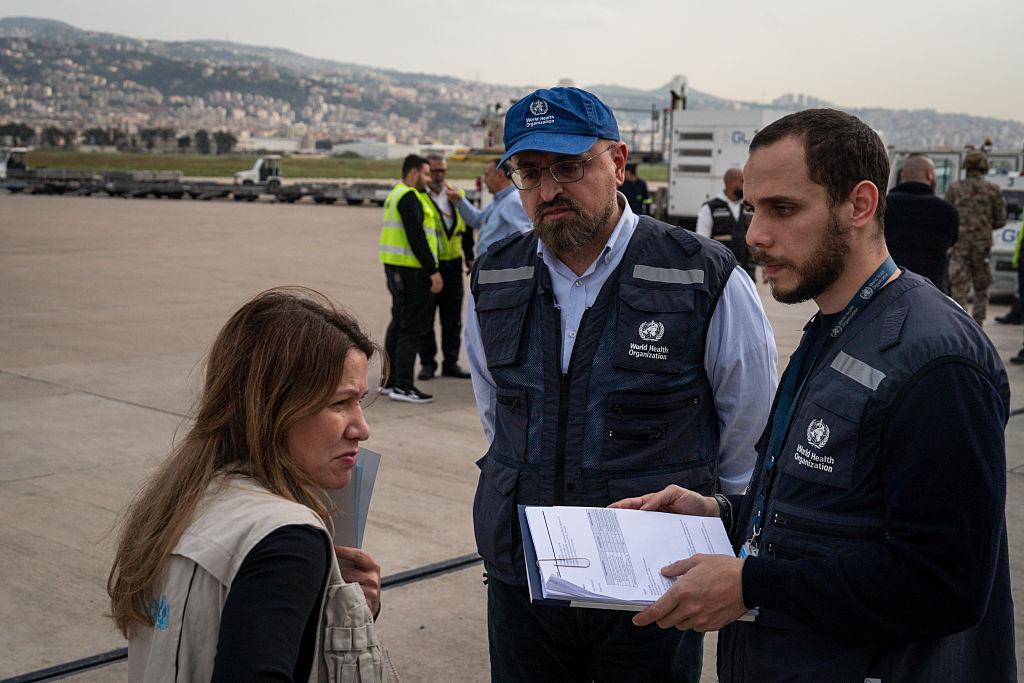
Beirut, Lebanon, March 22, 2026, Parliament Politics Magazine, Lebanon humanitarian crisis is rapidly intensifying as civilians remain in southern regions despite escalating warnings from Israeli military officials, raising fears that the conflict could spiral into a broader regional disaster. The situation has become even more volatile following the resignation of a top US counterterrorism official protesting the ongoing war against Iran.
The growing Lebanon humanitarian crisis reflects a dangerous intersection of military escalation, political instability, and civilian vulnerability. With warnings of potential strikes increasing, thousands of residents are now facing life-threatening uncertainty.
Escalation Warning Deepens Humanitarian Fears
The Lebanon humanitarian crisis has entered a critical phase as Israeli officials warn of possible military action targeting areas in southern Lebanon. Despite these warnings, many civilians are choosing to stay, either due to lack of resources or fear of displacement.
Communities in affected regions report increasing anxiety as military activity intensifies. Roads are becoming congested with those attempting to leave, while others remain behind, unsure of where to go.
A local resident shared:
“We are caught between fear of leaving and fear of staying. There is no safe choice anymore.”
The Lebanon humanitarian crisis is now being viewed as one of the most urgent issues in the region, with potential consequences that could extend far beyond Lebanon’s borders.
Political Shock in Washington
As the Lebanon humanitarian crisis worsens, political developments in the United States are adding another layer of uncertainty. A senior US counterterrorism official has resigned, citing concerns over the direction of the war against Iran.
The resignation has drawn attention to internal divisions within US leadership, particularly regarding the risks of escalating military engagement in the Middle East.
In a statement that has resonated globally, the official warned:
“We are moving toward a conflict that could have devastating humanitarian consequences.”
The timing of the resignation has intensified concerns that the Lebanon humanitarian crisis is part of a broader and more dangerous geopolitical shift.
Civilians Facing Unimaginable Risks
At the heart of the Lebanon humanitarian crisis are the civilians who remain in high-risk areas. Many lack the means to relocate, while others are reluctant to abandon their homes and livelihoods.
The situation is further complicated by limited access to essential services. Healthcare facilities are under strain, food supplies are becoming uncertain, and infrastructure is at risk of damage.
A humanitarian worker explained:
“This is not just a crisis of conflict — it’s a crisis of survival for thousands of people.”
The Lebanon humanitarian crisis highlights the human cost of escalating tensions and underscores the urgent need for coordinated international response.
Regional Reactions Escalate Tensions
The Lebanon humanitarian crisis has prompted strong reactions from regional actors. Lebanese officials have condemned the escalation warnings, emphasizing the risks to civilian populations.
Iran has also issued warnings, signaling that further escalation could lead to broader consequences. These developments have raised fears that the crisis could evolve into a multi-front conflict.
International leaders are calling for restraint, but the situation remains fragile.
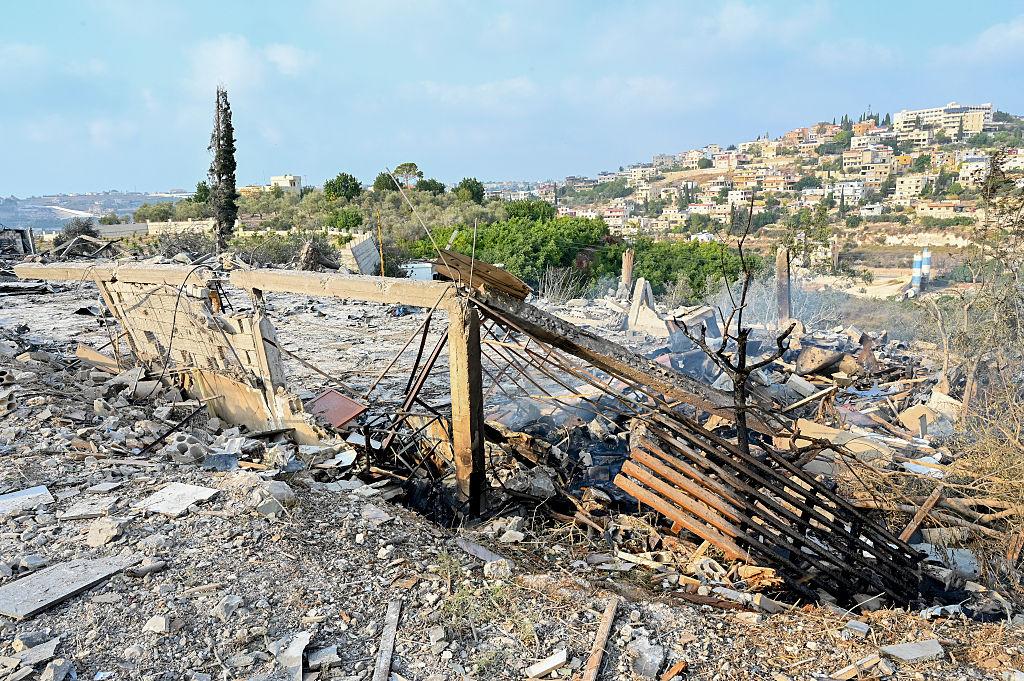
Aid Organizations Struggle to Respond
Humanitarian agencies are working to address the Lebanon humanitarian crisis, but challenges are mounting. Access to affected areas is becoming increasingly difficult, and resources are limited.
Aid groups are preparing for potential large-scale displacement, but the uncertainty surrounding the situation complicates planning efforts.
A relief coordinator noted:
“We are trying to scale up our response, but the speed of escalation is making it extremely difficult.”
The Lebanon humanitarian crisis is testing the capacity of international aid systems and highlighting gaps in preparedness.
Economic and Global Implications
The Lebanon humanitarian crisis is not only a regional issue but also a global concern. The Middle East’s role in energy production means that any escalation could have far-reaching economic effects.
Markets are already reacting to increased instability, with analysts warning of potential disruptions to oil supply chains. Rising tensions could lead to higher energy prices and broader economic uncertainty.
Risk of Wider Conflict Grows
Security experts warn that the Lebanon humanitarian crisis could be a precursor to a larger conflict involving multiple regional powers. The presence of civilians in potential conflict zones increases the stakes and the risk of unintended consequences.
A geopolitical analyst stated:
“When humanitarian crises reach this level, they often signal deeper structural instability in the region.”
The Lebanon humanitarian crisis is now seen as both a symptom and a driver of escalating tensions.
Diplomatic Efforts Under Pressure
Efforts to de-escalate the Lebanon humanitarian crisis are ongoing, but progress remains limited. Diplomatic channels are active, yet trust between key players is fragile.
International organizations continue to urge dialogue and emphasize the importance of protecting civilians.
Despite these efforts, the situation continues to evolve rapidly, leaving many uncertain about what comes next.
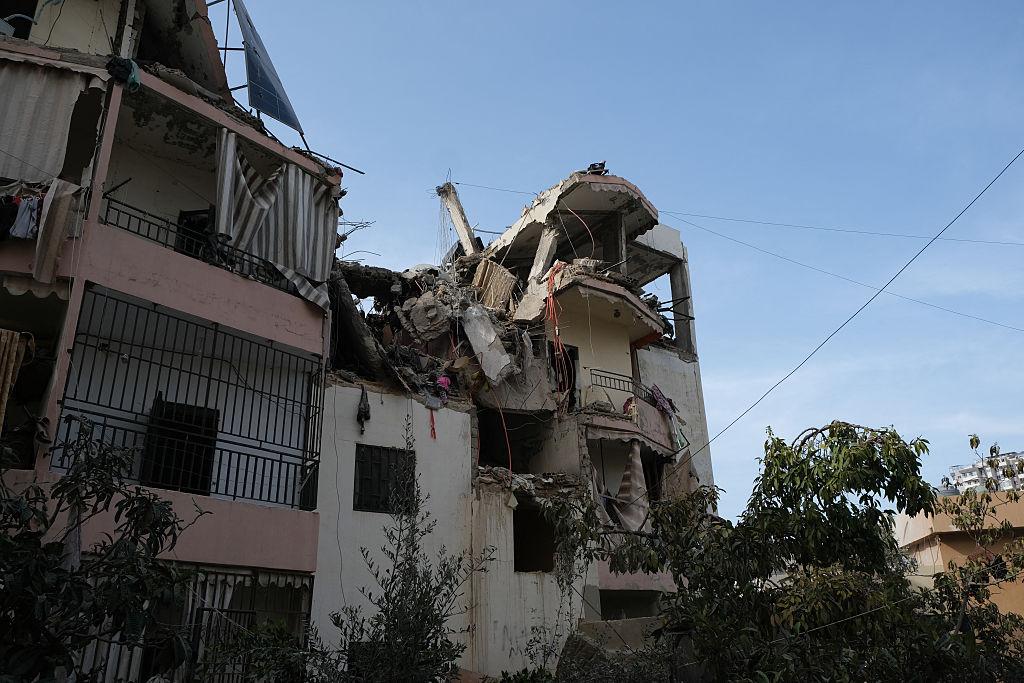
Human Cost of War: A Crisis Unfolding
The Lebanon humanitarian crisis is reaching a dangerous tipping point as civilians remain trapped between escalating military threats and limited options for safety. The resignation of a top US counterterrorism official highlights growing concern about the broader direction of the conflict.
With humanitarian risks rising, regional tensions escalating, and global implications mounting, the crisis is becoming one of the most urgent challenges facing the international community.
The coming days will determine whether diplomatic efforts can prevent further tragedy — or if the crisis will deepen into a full-scale regional conflict.
