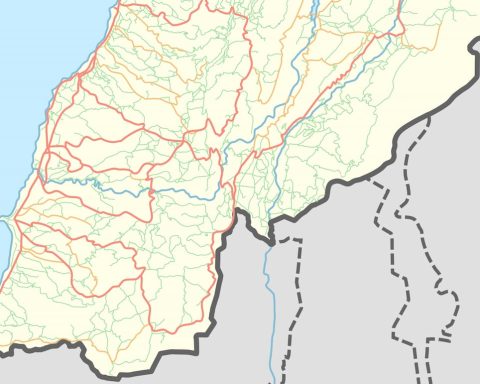
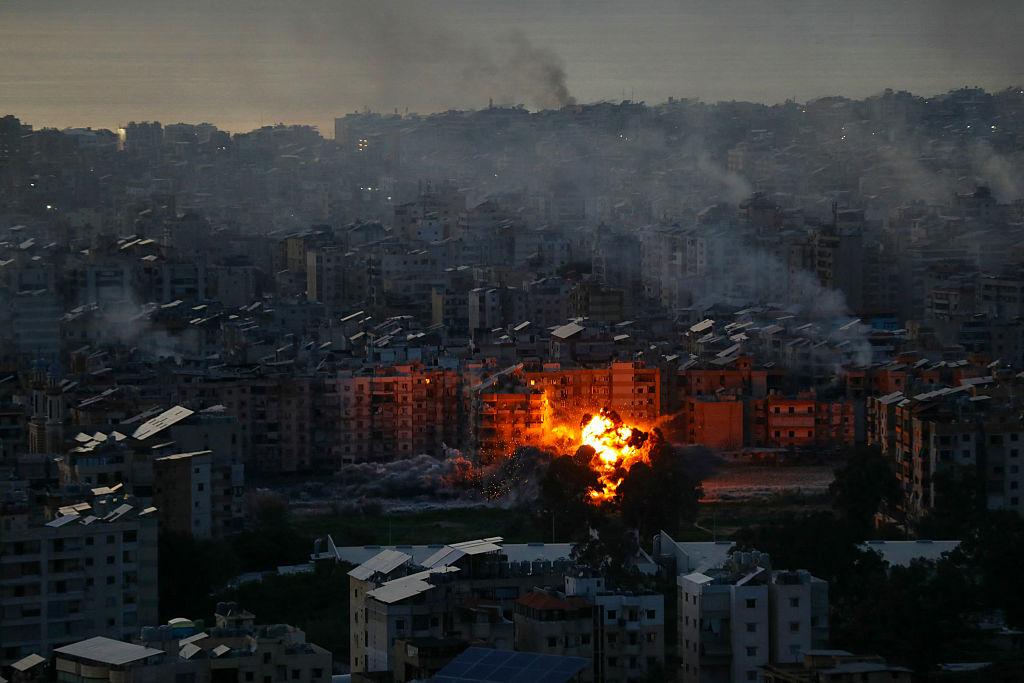
Beirut, Lebanon — March 10, 2026 — Parliament News — Israeli military strikes Lebanon have intensified security tensions along the Israel Lebanon border after overnight air operations targeted locations in southern Lebanon believed to be connected to militant activity. Reports from regional observers indicate that Israeli aircraft carried out precision strikes against facilities suspected of storing weapons and equipment used in cross border attacks.
Local residents in several Lebanese communities reported hearing loud explosions late at night as aircraft were seen flying over border areas. According to regional monitoring groups, the Israeli military strikes Lebanon operation was concentrated in areas where intelligence sources suggested armed groups had increased activity.
The situation quickly drew international attention as analysts began assessing whether the Israeli military strikes Lebanon developments might signal a broader escalation in the region.
Military Strategy and Objectives
Security officials say the Israeli military strikes Lebanon campaign was intended to prevent potential rocket attacks on Israeli cities located near the northern border. Intelligence assessments reportedly suggested that militant positions were preparing to launch projectiles toward Israeli territory.
In response, Israeli forces conducted air operations aimed at neutralizing those threats before they could materialize. Defense analysts say the Israeli military strikes Lebanon operation reflects a broader strategy designed to maintain deterrence while avoiding a prolonged ground conflict.
Military planners frequently rely on targeted air strikes in situations where intelligence indicates imminent danger. By striking infrastructure linked to armed groups, officials hope to weaken operational capabilities without triggering wider warfare.
However, experts caution that whenever Israeli military strikes Lebanon, the risk of retaliation or escalation remains a serious concern.
Impact on Border Communities
Communities in southern Lebanon remain particularly vulnerable whenever military tensions rise. Residents in villages near the border reported moments of panic as explosions echoed across the region during the overnight strikes.
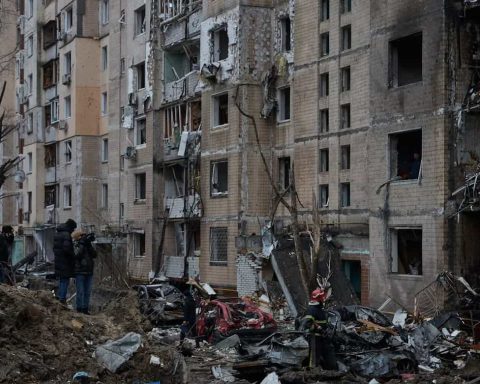
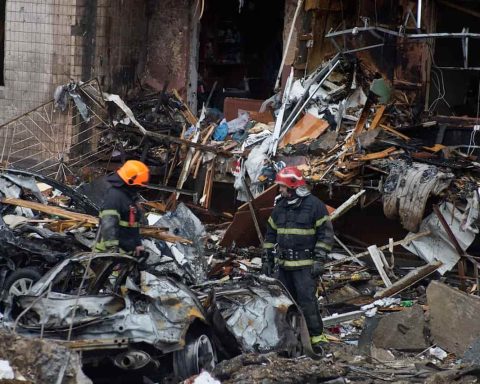
Emergency responders and local authorities quickly moved to evaluate the situation and assist residents who might have been affected by the blasts. Although damage reports remain limited, the psychological impact of such incidents often lingers long after the immediate danger has passed.
The Israeli military strikes Lebanon episode has therefore raised concerns about the safety of civilians living near areas frequently involved in military confrontations.
International humanitarian organizations monitoring the region have called for restraint from all sides to prevent further risks to civilian populations.
Historical Comparison of Border Confrontations
The current Israeli military strikes Lebanon incident echoes earlier confrontations along the Israel Lebanon border. The most significant conflict occurred in 2006 when Israel and Hezbollah fought a month long war that caused widespread destruction across Lebanon and northern Israel.
During that conflict thousands of rockets were fired toward Israeli cities while Israeli aircraft conducted extensive bombing campaigns across Lebanese territory. Although the present situation appears smaller in scale, analysts say events like the Israeli military strikes Lebanon operation remind observers how quickly tensions can escalate in this historically volatile region.
Even limited military incidents have the potential to revive memories of previous conflicts and raise fears of another large scale confrontation.
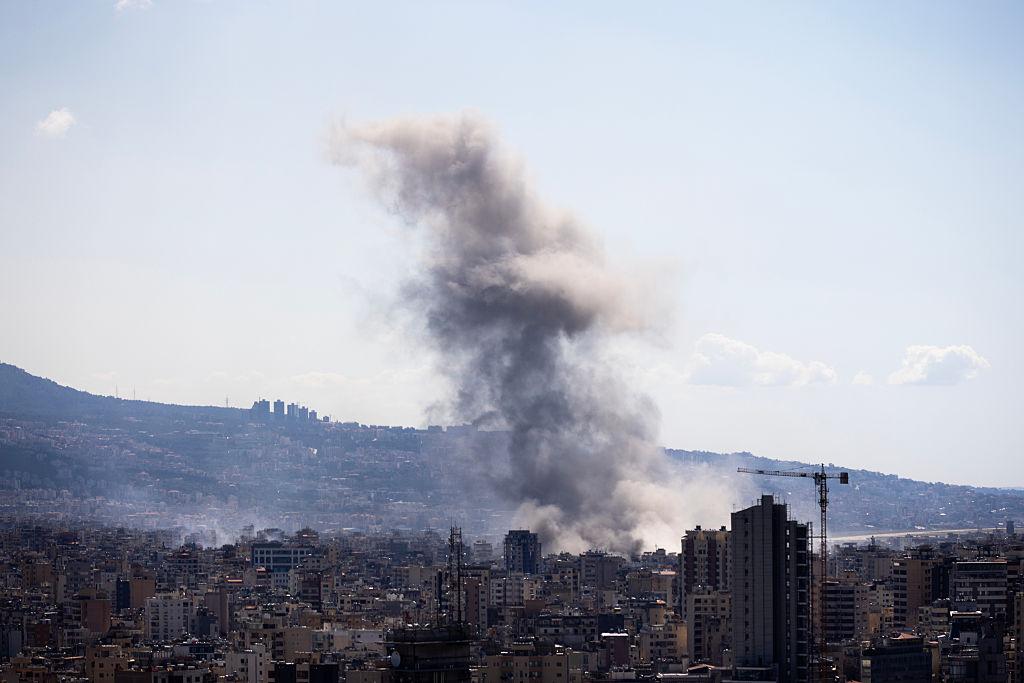
Expert Quote on Regional Security
Security experts say the Israeli military strikes Lebanon developments highlight the fragile balance that exists along the border.
One regional analyst explained the situation by saying,
“When tensions rise along the Israel Lebanon frontier even a single military incident can ripple across the entire Middle East and influence diplomatic relationships far beyond the border.”
Such warnings underline why governments and international organizations monitor these developments closely.
Monitoring the Situation Ahead
Following the Israeli military strikes Lebanon operation, diplomatic officials and security analysts are closely watching the situation to determine whether tensions will stabilize or intensify. Border regions in the Middle East have historically experienced cycles of confrontation followed by periods of uneasy calm.
Military observers say the coming days will be critical in determining whether additional operations occur or whether diplomatic channels help ease tensions.
The Israeli military strikes Lebanon incident has therefore become a focal point for international attention as policymakers assess the potential implications for regional stability.
Key Takeaways From the Israeli Military Strikes Lebanon Incident
The Israeli military strikes Lebanon operation in 2026 reflects the continuing volatility of one of the Middle East’s most sensitive borders. Air strikes targeting suspected militant infrastructure triggered concern among residents, analysts, and international observers.
Historical comparisons show that even limited military actions can carry significant political and security implications. Experts warn that while targeted strikes may be intended to prevent attacks, they also carry the risk of escalation.
As global attention remains fixed on the region, the Israeli military strikes Lebanon developments serve as a reminder that tensions along the Israel Lebanon frontier remain deeply rooted and capable of shaping regional stability for years to come.