

Washington, Middle East , March 23, 2026 (Parliament Politics Magazine), Iran drone strikes are rapidly reshaping the dynamics of the escalating US-Iran conflict, as reports of sustained aerial attacks coincide with a major leadership shake-up inside the United States security establishment. The sudden resignation of a top counterterrorism official has added urgency to an already volatile situation.
US Central Command (CENTCOM) leadership has warned that Iranian forces have targeted civilian sites across the region more than 300 times in recent weeks, highlighting the scale and intensity of the conflict.
This combination of intensified drone warfare and internal leadership change is raising alarms across global security networks.
Leadership Crisis: Resignation Signals Internal Disagreement
The fact that a senior official stepped down as Iran drone strikes increase suggests deeper divisions within US leadership. Sources indicate that the resignation was tied to disagreements over military strategy and the long-term direction of the conflict.
A defense analyst explained:
“When leadership fractures during active operations, it often signals concern about escalation risks and policy direction.”
This rare move has triggered debate among policymakers and intelligence agencies, with many questioning whether current strategies are sustainable in the face of expanding drone warfare.
Drone Warfare Expands Across Multiple Fronts
The use of drones has become a defining feature of the conflict. Iranian forces have reportedly deployed large numbers of unmanned aerial vehicles across the region, targeting both military and strategic infrastructure.
Recent incidents show the widespread reach of Iran drone strikes:
- Drone attacks on US-linked installations in Kuwait resulted in casualties and infrastructure damage
- Hundreds of drones and missiles have been launched toward Gulf nations, including the UAE
- Multiple drones and missiles were intercepted over Jordan as regional defenses responded
These developments demonstrate the increasing reliance on drone technology as a primary tool of warfare.
Civilian Impact Raises Global Alarm
CENTCOM’s claim that civilian sites have been targeted more than 300 times has intensified international concern.
Drone warfare, while precise in theory, often results in collateral damage, particularly when attacks occur near populated areas.
Humanitarian groups warn that continued Iran drone strikes could worsen civilian suffering, disrupt infrastructure, and create long-term instability.
One humanitarian observer noted:
“The frequency of these attacks is creating a persistent climate of fear for civilians across the region.”
Strategic Importance of Drone Technology
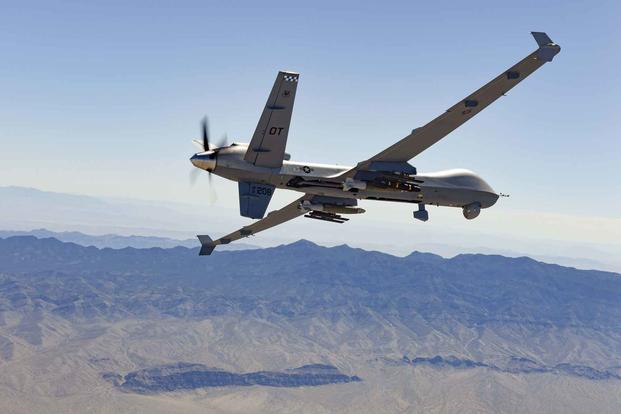
Iran’s drone capabilities have evolved significantly in recent years, allowing for long-range, high-impact strikes. Reports indicate that advanced drones are capable of traveling thousands of kilometers and striking high-value targets.
The increasing frequency of Iran drone strikes highlights how warfare is evolving in the 21st century.
Regional Stability Under Pressure
The Middle East is facing one of its most unstable periods in recent history. Drone attacks, missile strikes, and military responses are occurring across multiple countries simultaneously.
Key concerns include:
- Expansion of attacks beyond military targets
- Increased risk of miscalculation between opposing forces
- Growing involvement of regional allies
Recent reports also indicate threats to energy infrastructure and shipping routes, particularly around the Strait of Hormuz, a critical global oil passage.
Economic and Energy Market Fallout
The surge in Iran drone strikes is already impacting global markets. Energy prices have shown volatility as concerns grow over potential disruptions to oil supply.
The Gulf region’s role as a key energy hub means that even limited disruptions can have global consequences.
Analysts warn that continued escalation could:
- Increase fuel prices worldwide
- Disrupt supply chains
- Affect global economic stability
The intersection of military conflict and economic risk underscores the global significance of the situation.
Diplomatic Efforts Struggle to Contain Crisis
Despite urgent calls for de-escalation, diplomatic progress remains limited. International leaders have urged restraint, but ongoing military actions continue to undermine negotiations.
The resignation of a senior counterterrorism official may further complicate diplomatic efforts, as it introduces uncertainty into US policy direction.
Observers note that resolving the crisis will require coordinated international engagement and a willingness from all sides to reduce tensions.
Historical Context: A Long-Standing Rivalry
The US-Iran relationship has been marked by decades of tension, including sanctions, proxy conflicts, and direct confrontations.
However, the current phase stands out due to the scale of Iran drone strikes and the speed at which the conflict has escalated.
The widespread use of drones across multiple countries signals a new phase in the conflict, one that could redefine regional security dynamics.
What Comes Next: Escalation or Containment?
The situation remains highly fluid, with both sides maintaining strong military positions.
Key questions moving forward include:
- Will drone attacks continue to expand across the region?
- Can diplomatic efforts regain momentum?
- How will leadership changes impact strategic decisions?
The resignation of a key counterterrorism official may lead to a reassessment of US strategy, but it also highlights the challenges of managing a rapidly evolving conflict.
A Critical Moment in Global Security
The rise of Iran drone strikes, combined with the resignation of a senior counterterrorism official, marks a critical turning point in the US-Iran conflict.
CENTCOM’s warning that civilian sites have been targeted more than 300 times underscores the severity of the situation and its humanitarian implications.
In summary, the convergence of advanced drone warfare, leadership instability, and regional escalation has created a high-risk environment with global consequences. The coming days will be crucial in determining whether the conflict expands further or moves toward containment.
