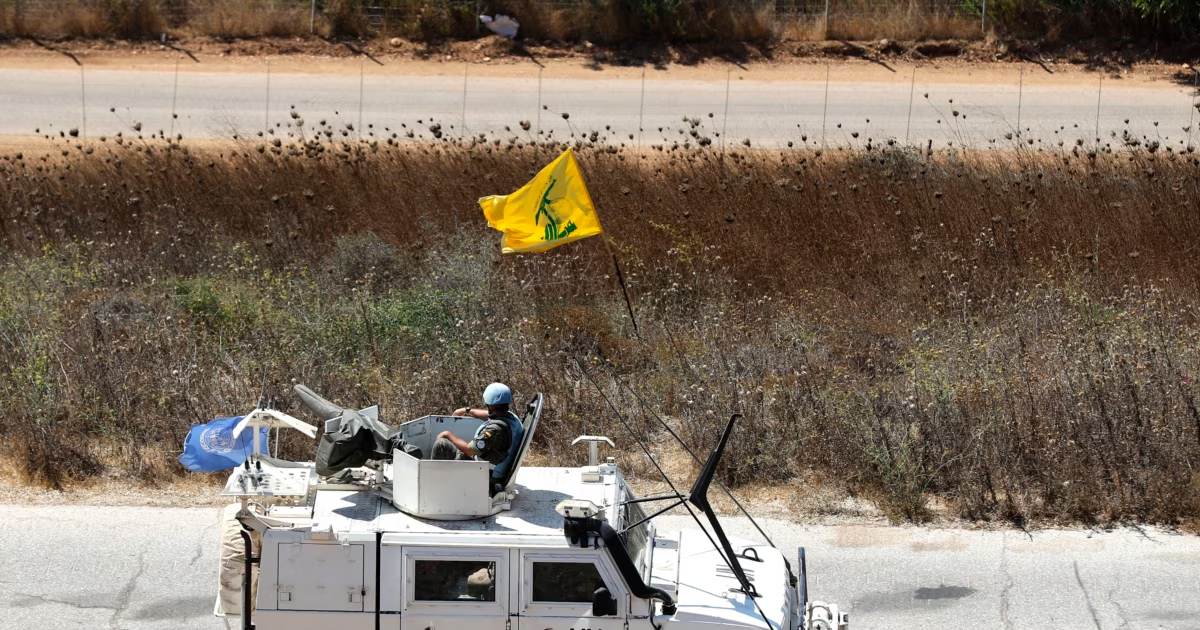
Lebanon Border, Washington, March 23, 2026 (Parliament Politics Magazine), Israel Lebanon border strike has intensified regional tensions following the Israeli army’s admission of a fatal artillery error near the Lebanon frontier. The incident comes at a time of heightened geopolitical instability, further complicated by the resignation of a top US counterterrorism official.
The combination of a military miscalculation and a high-level resignation is raising alarms across global security circles, as the risk of escalation continues to grow.
Israeli Army Admits Artillery Mistake
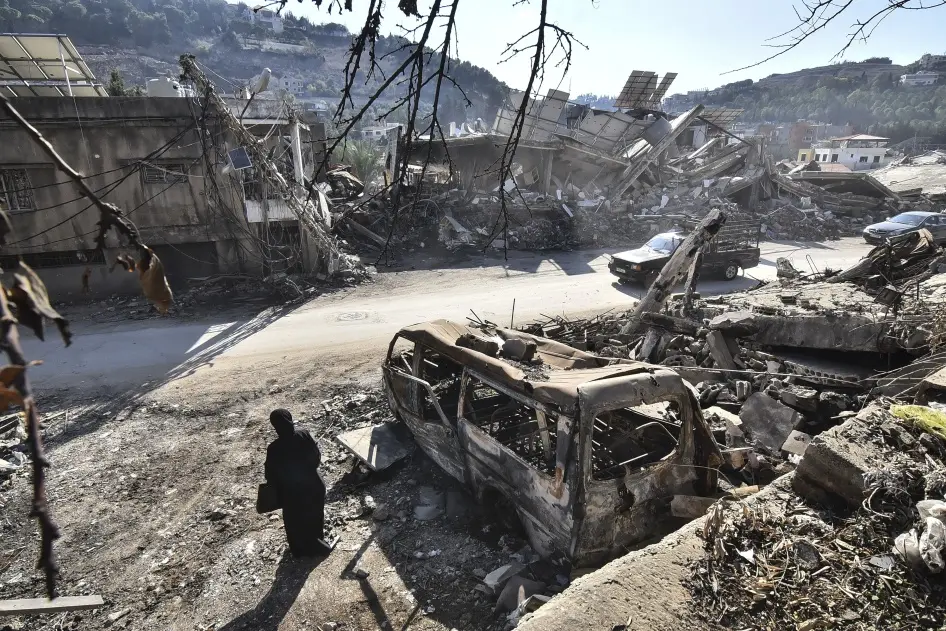
The confirmation of a fatal error by Israeli forces marks a rare and significant moment during an active conflict. According to reports, artillery fire struck an unintended location near the Lebanon border, resulting in casualties.
Military analysts warn that incidents like the Israel Lebanon border strike can have immediate and far-reaching consequences, particularly in regions already on edge.
A regional expert stated:
“Operational mistakes in conflict zones can rapidly escalate tensions and complicate already fragile relationships.”
The admission has drawn international attention and renewed calls for caution.
Leadership Crisis Deepens in Washington
The fact that a senior official stepped down during this volatile period has added another layer of complexity. The resignation suggests that there may be internal disagreements over the handling of the conflict.
As the Israel Lebanon border strike continues to dominate headlines, the departure of a key counterterrorism leader is being viewed as a signal of deeper concerns within US leadership.
A policy analyst explained:
“Resignations at this level often reflect serious doubts about strategy and long-term consequences.”
The development has sparked debate among lawmakers and security experts.
Escalation Risks Across the Region
The Middle East remains highly volatile, with multiple incidents contributing to rising tensions. The Israel Lebanon border strike is one of several developments that highlight the fragile nature of the current situation.
Military activity has increased across the region, with both defensive and offensive operations intensifying.
Observers warn that the risk of miscalculation is growing, particularly as different actors respond to evolving events.
Civilian Impact Raises Alarm
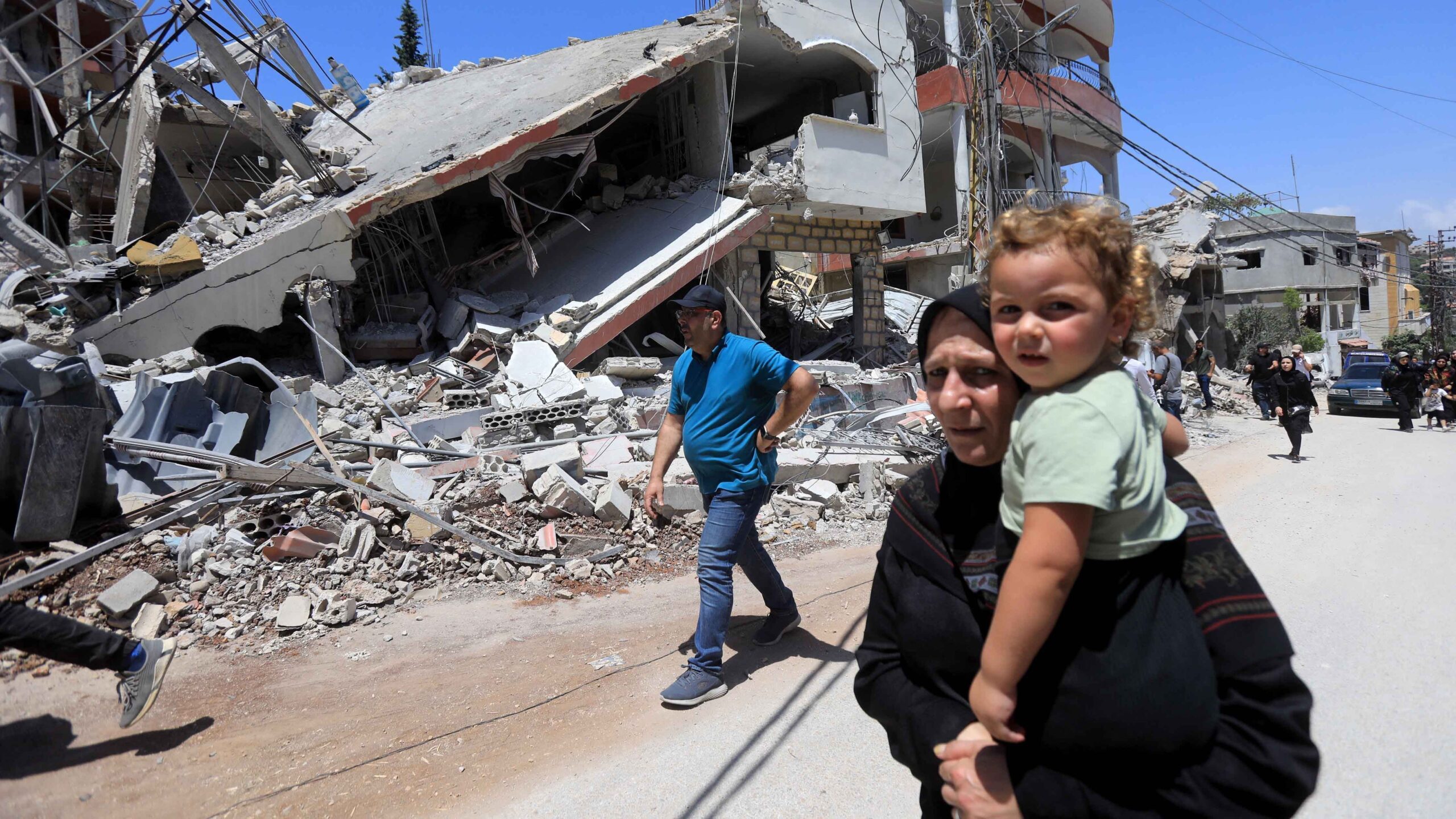
The reported fatalities from the artillery error have heightened concerns about civilian safety. Humanitarian organizations emphasize the importance of minimizing harm to non-combatants during military operations.
The Israel Lebanon border strike has underscored the challenges of conducting operations in densely populated or sensitive areas.
A humanitarian observer noted:
“Civilian protection must remain a priority, especially in complex conflict environments.”
The incident has prompted renewed calls for accountability and restraint.
Global Security Implications
As the Israel Lebanon border strike unfolds, its implications extend beyond the immediate region. Global security networks rely on stable conditions and coordinated responses to manage emerging threats.
The resignation of a senior counterterrorism official adds uncertainty to these efforts, potentially affecting intelligence sharing and operational coordination.
A global security expert stated:
“Stability in leadership is critical during crises. Any disruption can weaken international cooperation.”
Allies are closely monitoring the situation and its potential impact.
Economic and Energy Concerns
The Middle East’s importance to global energy supply means that any escalation can have significant economic consequences.
The Israel Lebanon border strike, combined with broader regional tensions, is contributing to market uncertainty.
Energy analysts warn that prolonged instability could disrupt supply chains and lead to increased prices.
The economic ripple effects are likely to extend beyond the region, affecting global markets.
Diplomatic Efforts Under Pressure
Efforts to de-escalate the conflict have faced significant challenges. The recent developments have added complexity to ongoing diplomatic initiatives.
International leaders continue to call for restraint, but progress remains limited as tensions persist.
The Israel Lebanon border strike has made negotiations more difficult, highlighting the need for coordinated international engagement.
Historical Context of Border Tensions
The Israel-Lebanon border has long been a focal point of regional tension. Periodic clashes and incidents have contributed to a history of instability.
However, the current Israel Lebanon border strike stands out due to its timing and the broader geopolitical context.
The combination of military escalation and leadership changes signals a new phase in the conflict.
What Comes Next: A Critical Moment
The situation remains uncertain, with several key questions shaping the outlook:
- Will further incidents escalate tensions?
- How will leadership changes influence policy decisions?
- Can diplomatic efforts regain momentum?
The answers to these questions will determine the next phase of the Israel Lebanon border strike crisis.
Escalation and Uncertainty Define the Crisis
The recent Israel Lebanon border strike, combined with the resignation of a top counterterrorism official, marks a critical moment in regional and global security.
The admission of a fatal artillery error highlights the risks of miscalculation, while leadership changes raise questions about strategy and direction.
In summary, the convergence of military escalation, operational errors, and political uncertainty underscores a turning point. The coming days will be crucial in determining whether tensions escalate further or move toward stabilization.