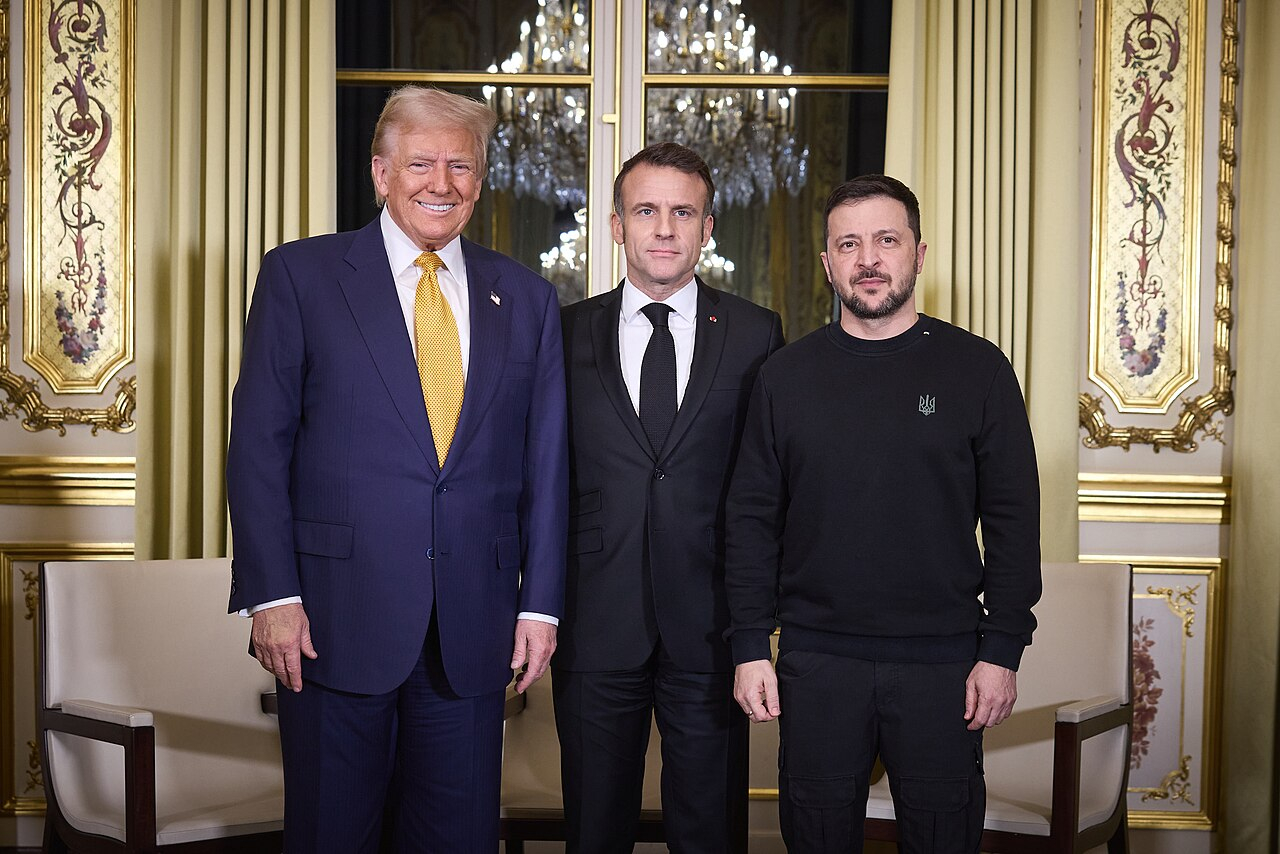
EVIAN-LES-BAINS, France, June 15 (Parliament Politics Magazine) – United States President Donald Trump has officially shifted his foreign policy focus toward brokering a peace deal between Russia and Ukraine. This diplomatic pivot comes immediately following his arrival at the 2026 G7 summit, where he announced a major breakthrough to end the 15-week war with Iran.
The shift in priorities comes as global leaders gather at a lakeside resort in France. While the Iran deal has provided a sense of relief regarding global energy security, the atmosphere remains tense due to ongoing friction over trade tariffs and immigration policies.
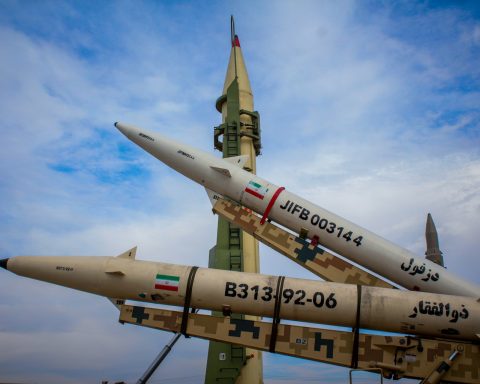
Diplomatic Momentum The president arrived at the Hotel Royal with significant political momentum after the United States and Iran agreed to a memorandum of understanding to halt military operations permanently. This preliminary pact effectively ends the U.S. naval blockade and reopens the vital Strait of Hormuz toll-free. The blockade previously choked off 20% of global oil supplies, triggering severe economic instability.
During the 15-week conflict, maritime insurance premiums for cargo ships traveling through the Middle East skyrocketed by over 400%. This forced hundreds of massive container ships to divert entirely around Africa. The reopening of the Strait of Hormuz is expected to instantly reduce global shipping costs and stabilize oil and gas prices worldwide.
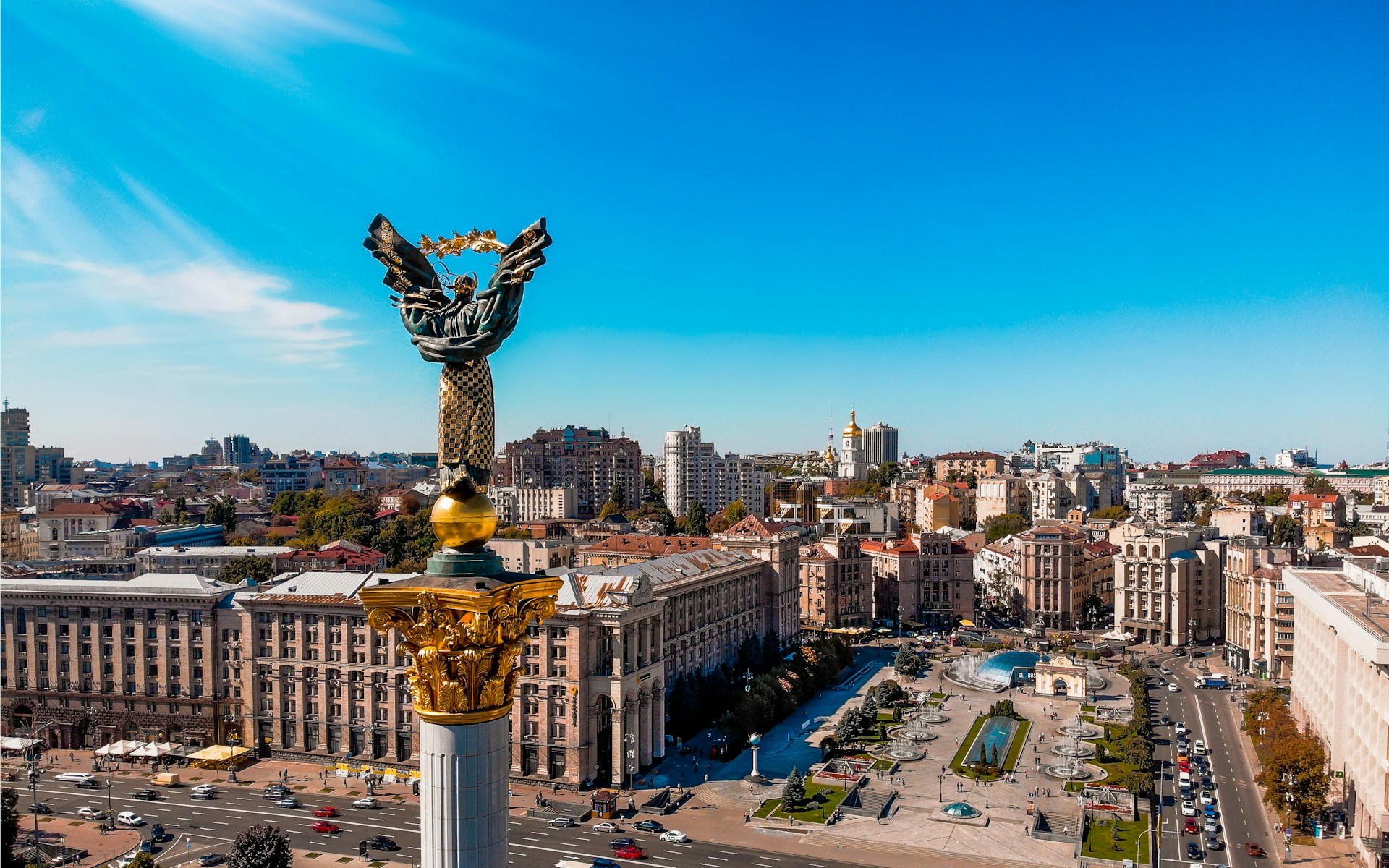
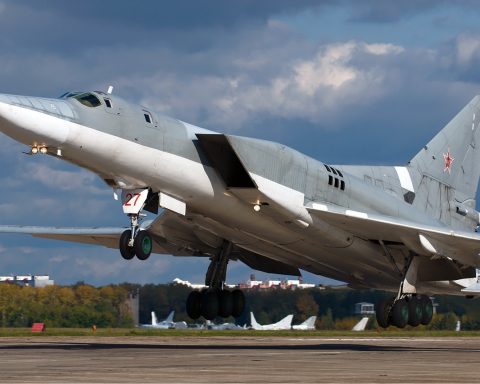
Path to Peace in Europe During a press briefing alongside French President Emmanuel Macron, Trump confirmed his intention to turn his attention to the four-year war in Eastern Europe. He reported having held productive individual phone conversations with Ukrainian President Volodymyr Zelenskyy and Russian President Vladimir Putin.
Trump expressed optimism about the prospects for a resolution during his time in France, stating, “I think maybe we can do something there… I think they’re both open to it.”
Despite the president’s confidence, challenges persist on the ground. President Zelenskyy noted he offered to meet Putin directly at the summit for peace talks, though Russian aides indicated Putin was not yet ready for direct dialogue. Furthermore, Russian presidential aide Yuri Ushakov confirmed that while Trump emphasized the necessity of halting hostilities, there is still significant work required to bring all parties to the table.
Summit Challenges The three-day event, running from June 15 to 17, features leaders from Canada, Germany, Italy, Japan, the UK, France, and the United States. They are joined by emerging leaders from India, Brazil, South Korea, Egypt, and Ukraine. Beyond the security concerns, the participants are working to find common ground on artificial intelligence guardrails, supply chain diversification away from China, and global macroeconomic imbalances.
Tensions also persist regarding other regional conflicts. Israel’s Defense Ministry stated it will not withdraw from seized territories in Lebanon indefinitely, adding a layer of complexity to the broader truce negotiations. Meanwhile, the U.S. president faces pushback from European allies regarding his recent threats to apply 100% tariffs on French wine, intended to pressure Paris over its digital tax policies.