
Washington, D.C., March 24, 2026 (Parliament Politics Magazine), Middle East tensions escalated sharply after a senior U.S. counterterrorism official resigned in protest over the country’s evolving approach toward Iran. The unexpected move has intensified debate within national security circles and raised fresh concerns about the direction of U.S. foreign policy during a fragile geopolitical moment.
The resignation comes alongside a warning from Qatar, where officials stated that while no recent attacks have triggered alerts, this does not mean the country is free from threats. Together, these developments highlight an increasingly uncertain environment as Middle East tensions continue to simmer beneath the surface.
Internal Conflict Behind the Resignation
According to sources familiar with the situation, the departing official had growing concerns about the trajectory of U.S. strategy toward Iran. These concerns reportedly centered on the belief that escalating pressure could lead to unintended consequences, including a broader regional conflict.
The official’s resignation is being interpreted as more than a personal decision—it signals deeper divisions within the U.S. government. Analysts suggest that such a departure at a critical time reflects disagreements over how best to handle Middle East tensions without destabilizing the region further.
A senior security expert noted:
“When experienced counterterrorism leaders walk away, it’s often a warning sign that internal debates are reaching a breaking point.”
Qatar’s Warning Highlights Hidden Risks
As the resignation made headlines, Qatar issued a statement emphasizing that the absence of recent attacks should not be mistaken for security. Officials stressed that threats can exist even when no immediate incidents are visible.
This warning aligns with broader intelligence assessments suggesting that the region remains volatile. Experts caution that Middle East tensions often evolve quietly before erupting into sudden crises, making proactive vigilance essential.
The statement has been widely interpreted as a reminder that the current calm may be temporary, rather than a sign of lasting stability.
Strategic Implications for the United States
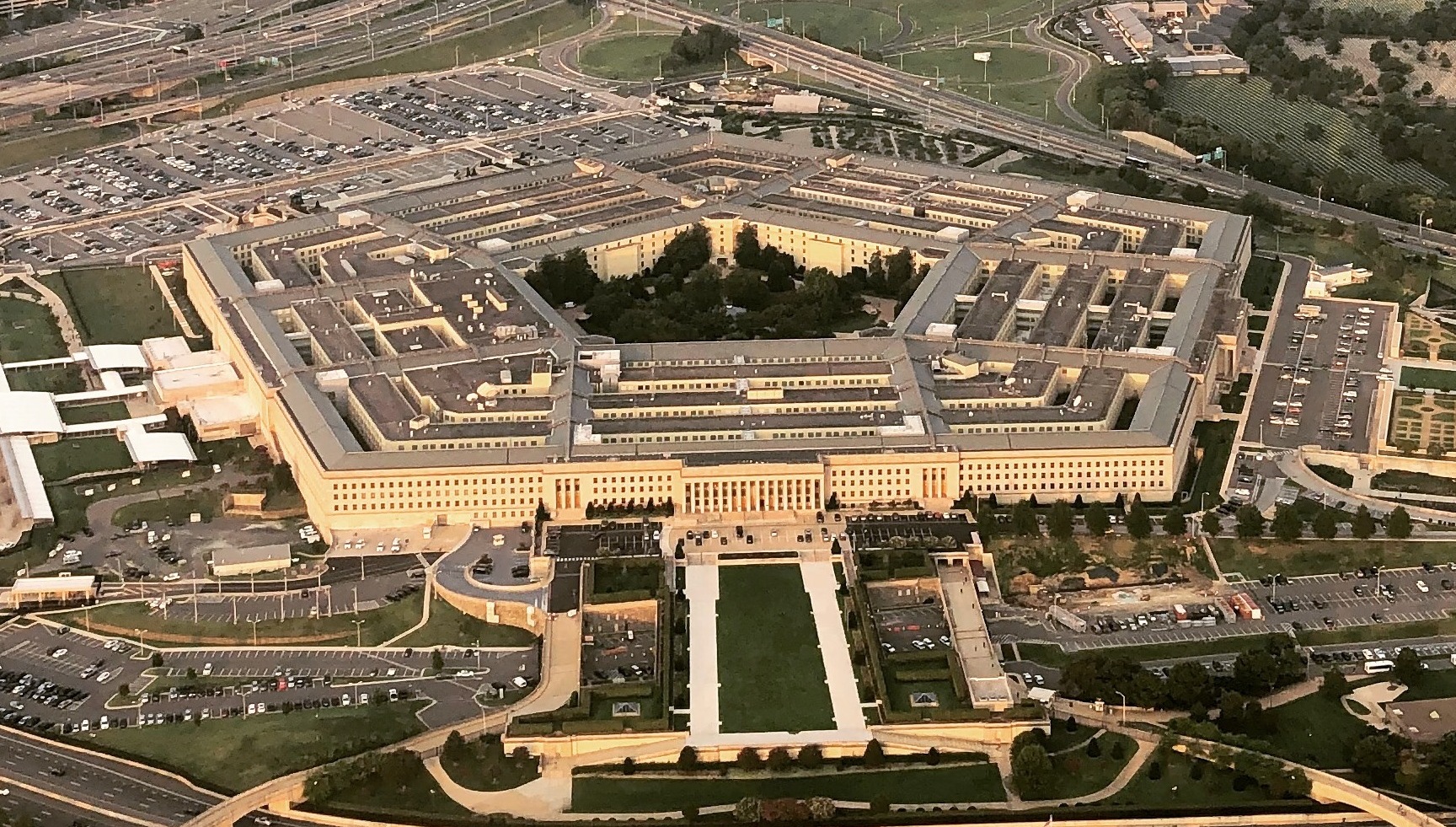
The resignation raises important questions about the future of U.S. policy in the region. Counterterrorism officials play a crucial role in shaping responses to emerging threats, balancing military action with intelligence and diplomacy.
When such a figure steps down in protest, it suggests that the direction of policy may be shifting in ways that some experts find concerning. This could have implications not only for U.S. strategy but also for how allies and adversaries perceive American leadership.
Middle East tensions are particularly sensitive to policy changes, as even small adjustments can have significant ripple effects across multiple countries and conflicts.
Iran’s Central Role in Escalation Dynamics
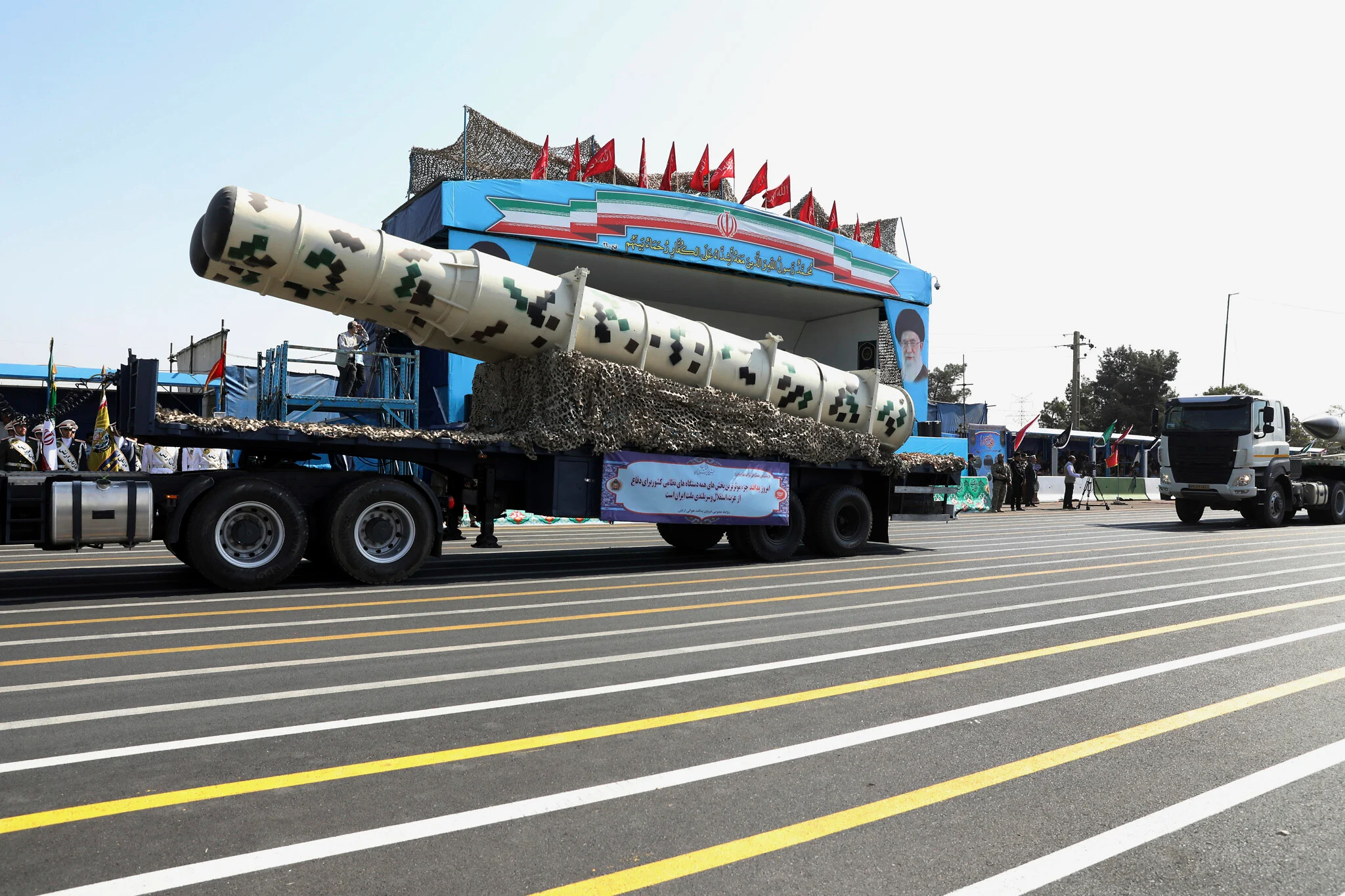
Iran remains at the center of the current geopolitical landscape. Its influence extends across several regional conflicts, making it a key player in any discussion about Middle East tensions.
Recent developments indicate that tensions are not confined to direct confrontation but include proxy conflicts, cyber operations, and economic measures. This complexity makes it difficult to predict how events will unfold.
Analysts argue that any escalation involving Iran could quickly expand beyond bilateral tensions, drawing in other regional actors and potentially affecting global stability.
Political Reactions and Domestic Debate
In Washington, the resignation has sparked a wave of political reactions. Lawmakers have called for clarity on the circumstances surrounding the decision, with some questioning whether it reflects broader issues within the administration’s foreign policy approach.
Critics argue that losing a senior counterterrorism official during a period of rising Middle East tensions could undermine confidence in national security leadership. Others defend the administration’s strategy, emphasizing the need for decisive action in a rapidly changing threat environment.
This debate underscores the complexity of managing Middle East tensions, where competing priorities often lead to difficult decisions.
Global Economic and Security Impact
The implications of rising Middle East tensions extend far beyond the region. Global markets, particularly energy sectors, are highly sensitive to developments involving Iran and its neighbors.
Investors are closely monitoring the situation, with concerns that prolonged instability could disrupt supply chains and drive volatility. At the same time, security agencies worldwide are reassessing potential risks linked to the evolving situation.
The interconnected nature of modern geopolitics means that events in the Middle East can have immediate and far-reaching consequences.
Human Impact Often Overlooked
Amid the focus on strategy and policy, the human dimension of Middle East tensions remains critical. Civilians across the region face uncertainty, with the potential for conflict affecting daily life and long-term stability.
Humanitarian organizations have warned that escalating tensions could lead to displacement, economic hardship, and increased vulnerability for already at-risk populations.
These concerns highlight the broader stakes involved, reminding policymakers that their decisions have real-world consequences beyond geopolitical calculations.
What Happens Next?
The key question now is whether this resignation will influence future policy decisions or simply mark a moment of internal disagreement. Some analysts believe it could prompt a reassessment of strategy, while others see it as a sign that the current approach will continue.
Diplomatic efforts may still play a role in easing Middle East tensions, but their success will depend on cooperation among multiple stakeholders. At the same time, security measures are likely to remain heightened as a precaution.
The coming weeks will be critical in determining whether tensions escalate further or stabilize.
A Critical Moment in Middle East Tensions
The resignation of a top counterterrorism official represents a significant development in the ongoing Middle East tensions, signaling internal divisions and raising questions about U.S. strategy.
Combined with Qatar’s warning that the absence of attacks does not guarantee safety, the situation remains highly unpredictable. As global attention intensifies, the decisions made now could shape the trajectory of the region for years to come.
In an environment defined by uncertainty, one reality stands out: Middle East tensions are entering a new and potentially more volatile phase.