


Washington / Madrid, March 25, 2026 (Parliament Politics Magazine), Gaza destruction comparison is now shaping global headlines as a top U.S. counterterrorism official resigns in protest of escalating military involvement, while Spain’s prime minister warns that Lebanon could face devastation similar to Gaza. The convergence of these developments signals a dangerous shift in the regional conflict.
The situation has intensified fears that what began as a contained conflict could evolve into a broader and more destructive regional war.
Resignation Highlights Internal US Division
The sudden resignation of a senior U.S. counterterrorism official has raised serious concerns about internal disagreement within Washington’s national security leadership. The official reportedly stepped down in protest of policies linked to expanding military operations involving Iran and its regional allies.
Experts believe the move reflects deeper unease within the administration.
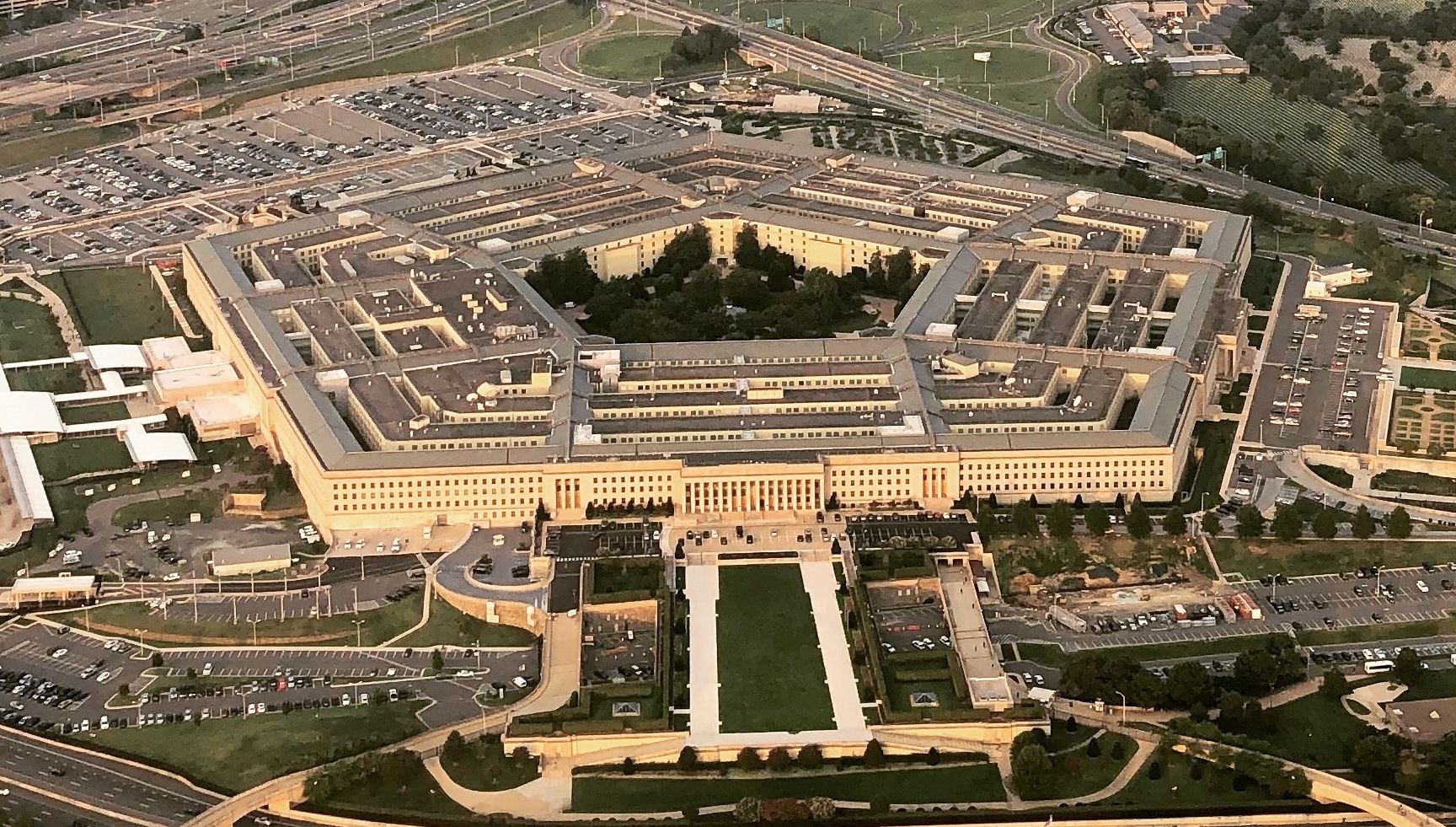
“When senior officials resign during escalation, it often means internal warnings are no longer being heard,”
one geopolitical analyst stated.
The timing has amplified its impact, reinforcing perceptions of instability within U.S. strategic planning.
Spain Warns of Gaza-Level Destruction in Lebanon
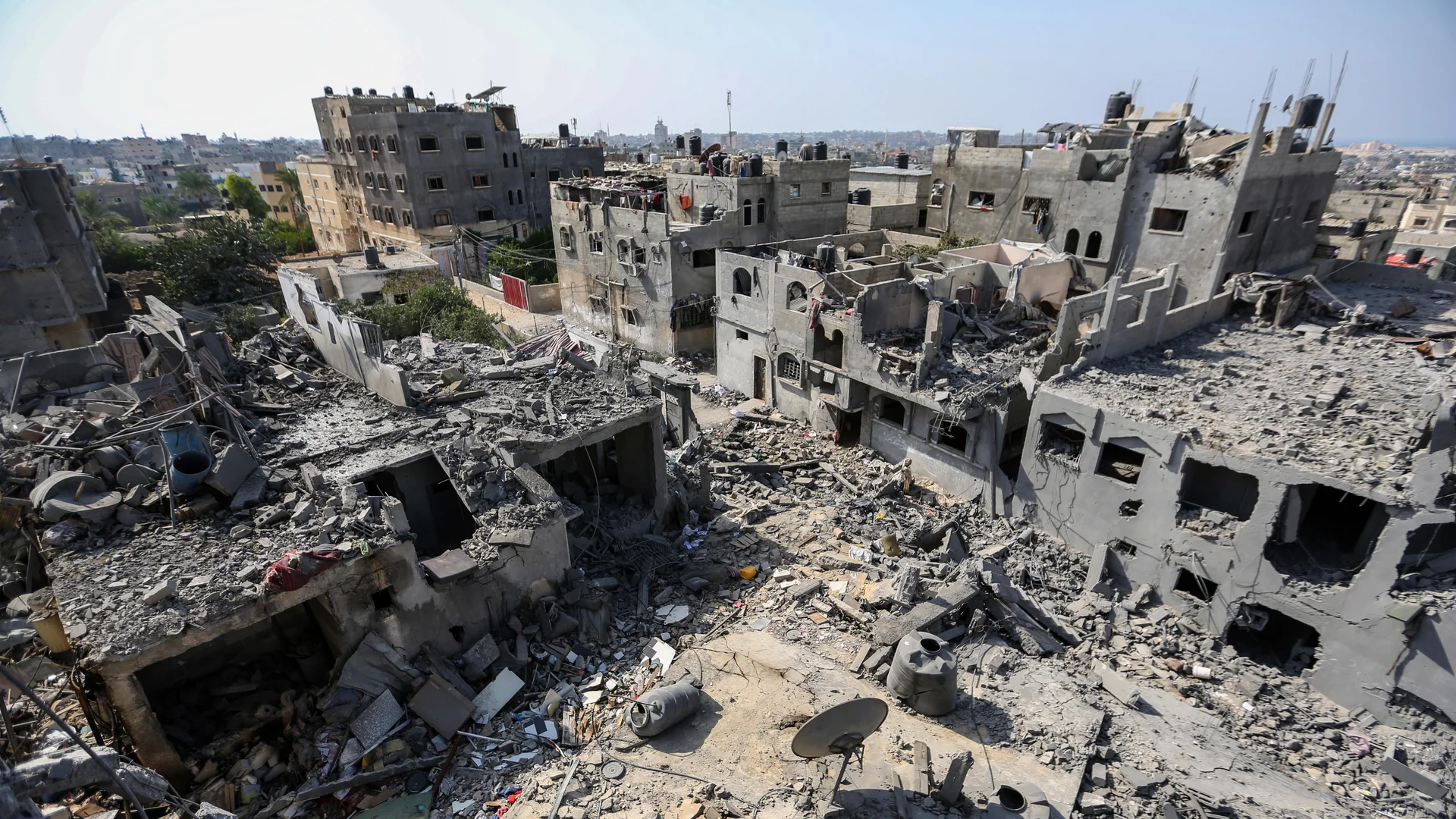
The Gaza destruction comparison gained urgency after Spain’s prime minister publicly warned that Israeli leadership may seek to replicate Gaza-level destruction in Lebanon. This statement has intensified global concern, drawing attention to the potential humanitarian and geopolitical consequences.
European leaders have increasingly urged restraint, warning that such escalation could destabilize the entire region.
The Gaza destruction comparison is now being used by policymakers and analysts alike to illustrate the severity of potential outcomes.
Regional Conflict Expands Across Multiple Fronts
The Middle East is experiencing rising instability, with multiple areas of tension contributing to uncertainty. The Gaza destruction comparison is central to understanding the risks associated with further escalation.
Key developments include:
- Increased cross-border tensions involving Lebanon
- Continued military operations linked to Iran’s regional presence
- Growing involvement of international actors
- Escalating humanitarian concerns
These factors have created a volatile environment where escalation could occur rapidly.
Impact on US Foreign Policy Direction
The resignation has prompted renewed debate about U.S. foreign policy priorities. Internal divisions may weaken the country’s ability to manage the crisis effectively, particularly as global scrutiny intensifies.
Analysts suggest that policymakers face difficult choices:
- Continue military escalation
- Shift focus toward diplomacy
- Attempt a hybrid approach amid rising pressure
The Gaza destruction comparison has added urgency to these decisions, highlighting the potential consequences of miscalculation.
Iran’s Strategic Position in the Crisis
Iran remains a central factor in the unfolding situation. Its regional influence and strategic positioning have allowed it to play a significant role without direct large-scale confrontation.
The Gaza destruction comparison also affects how Iran frames its response, using it to shape international perception and strengthen its diplomatic stance.
This dynamic complicates efforts to contain the conflict and reach a resolution.
Lebanon Faces Growing Risk
Lebanon is increasingly viewed as a potential flashpoint in the conflict. The Gaza destruction comparison has heightened fears of widespread devastation, should tensions escalate further.
Humanitarian organizations warn that Lebanon’s infrastructure and population could face severe consequences if large-scale operations occur.
The comparison to Gaza has amplified international concern, making Lebanon a focal point of diplomatic efforts.
Global Reactions Signal Rising Concern
Countries around the world are closely monitoring developments. While some support strong responses to regional threats, others emphasize the need for de-escalation.
Global markets have reacted with uncertainty, particularly in energy sectors, reflecting concerns about potential disruptions.
The Gaza destruction comparison has become a key narrative shaping international discourse.
Diplomatic Efforts Struggle to Keep Pace
Despite ongoing attempts at mediation, diplomatic efforts face significant challenges. The combination of military escalation and political division has made progress difficult.
Mediators continue to work behind the scenes, but the situation remains fragile.
The Gaza destruction comparison underscores the urgency of finding a path toward stability.
What Comes Next for the Region
The coming weeks are likely to be critical in determining the direction of the conflict. The Gaza destruction comparison serves as a stark reminder of what is at stake.
Key questions remain:
- Will escalation continue across multiple fronts?
- Can diplomacy regain momentum?
- How will global powers respond to further developments?
The answers to these questions will shape the future of the region.
A Dangerous Turning Point
The Gaza destruction comparison has emerged as a defining narrative in the current crisis. Combined with the resignation of a top U.S. counterterrorism official, it highlights the growing خطر of widespread escalation.
As warnings intensify and tensions rise, the possibility of broader conflict looms large. The situation represents a critical turning point, with far-reaching implications for global stability.
