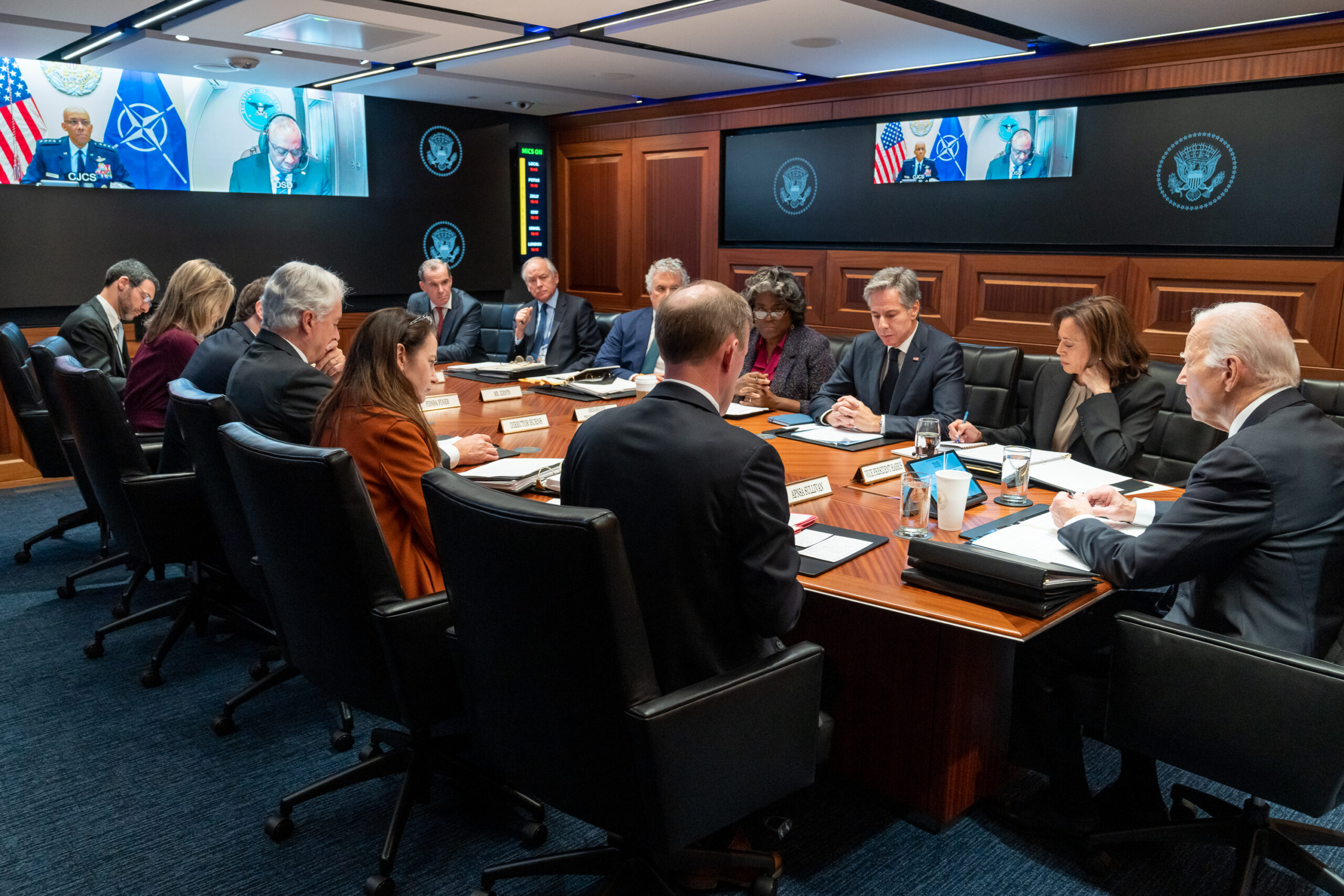
Paris, London, New Delhi, March 26, 2026 (Parliament Politics Magazine) Middle East maritime security has rapidly become a defining global concern in 2026, following the unexpected resignation of a senior counterterrorism official who stepped down in protest over escalating military tensions tied to the ongoing US-Iran crisis.
The resignation comes as naval chiefs from France, the United Kingdom, and India convene for high-level discussions focused on protecting strategic sea routes and preventing further instability across the region. These developments signal growing fears that maritime conflict could disrupt global trade and energy supply chains.
Resignation Sends Shockwaves Through Security Circles
The abrupt resignation of a senior counterterrorism official has intensified global attention on Middle East maritime security. Sources suggest the decision was driven by deep disagreements over how escalating tensions are being handled, particularly regarding military strategies in the region.
Insiders indicate that concerns had been building for months, with officials warning that current policies could heighten risks rather than reduce them. The resignation now serves as a clear signal of internal unease within key security institutions.
“This is more than a policy dispute—it reflects serious concerns about the long-term impact on global stability,”
said a senior analyst familiar with the situation.
As Middle East maritime security becomes increasingly fragile, experts warn that such internal divisions could weaken coordinated international responses.
Naval Chiefs Unite to Protect Strategic Sea Routes
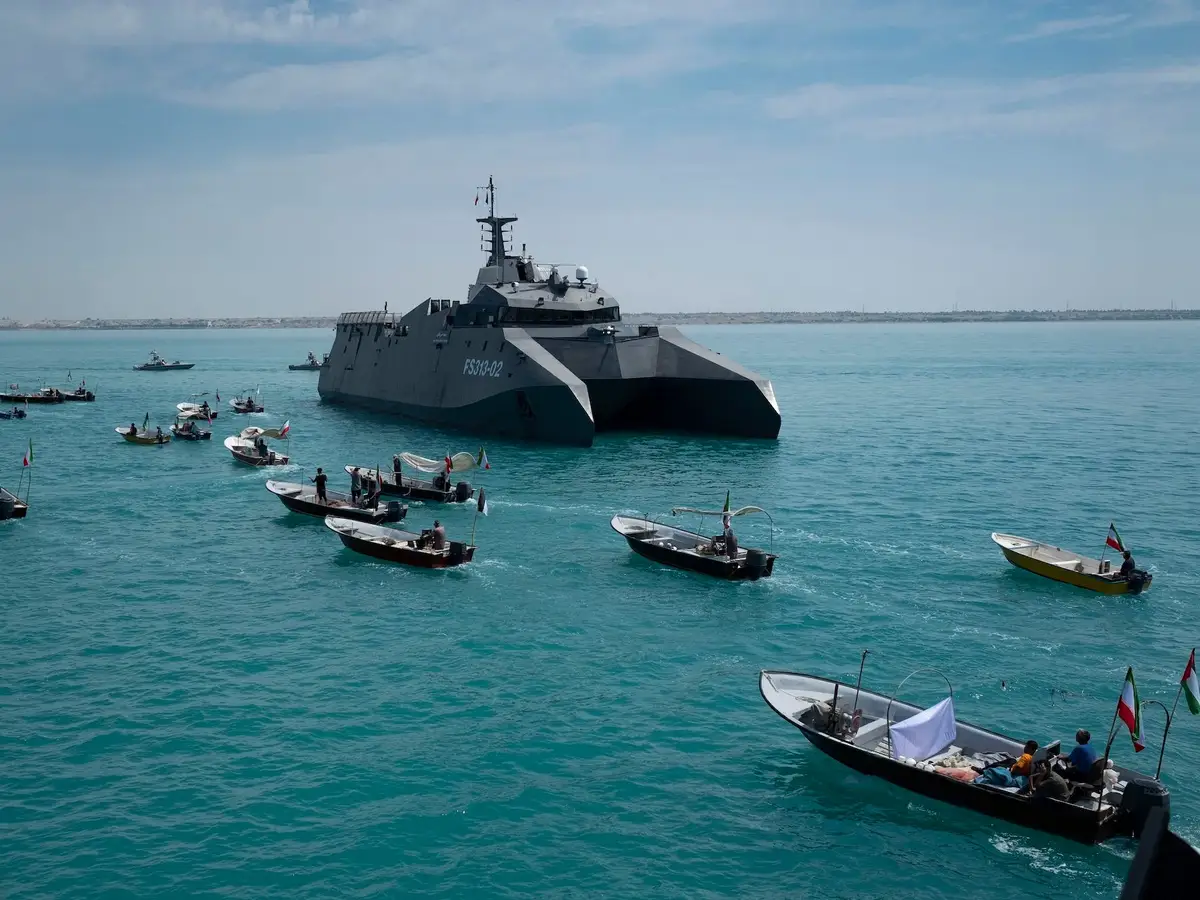
At the center of current discussions is the urgent need to safeguard maritime corridors critical to global commerce. Naval leaders from France, the UK, and India are focusing on Middle East maritime security as they assess potential threats to shipping lanes and energy transport routes.
The Strait of Hormuz, one of the world’s most vital chokepoints, remains a primary concern. Any disruption in this region could have immediate and severe consequences for global oil supplies.
Key priorities discussed include:
- Enhancing naval patrol operations
- Coordinating multinational defense strategies
- Preventing escalation of military incidents at sea
The meeting highlights how Middle East maritime security has evolved into a shared global responsibility.
Rising Risk of Regional Escalation
Security analysts warn that growing tensions could lead to broader instability across the Middle East. Middle East maritime security is now closely tied to wider geopolitical dynamics, including proxy conflicts and shifting alliances.
There are increasing fears that:
- Regional actors could become more directly involved
- Naval confrontations could escalate into larger conflicts
- Miscalculations could trigger unintended consequences
The complexity of the situation makes it difficult to predict outcomes, but the risks continue to grow.
Economic Impact and Energy Market Volatility
The importance of Middle East maritime security extends beyond military concerns. The region plays a central role in global energy distribution, and any disruption could have far-reaching economic implications.
Potential consequences include:
- Sharp increases in oil prices
- Disruptions to global supply chains
- Increased inflation pressures worldwide
Developing economies are expected to be particularly vulnerable, as rising energy costs strain already fragile financial systems.
Diplomatic Efforts Intensify
As concerns mount, global leaders are calling for restraint and diplomatic engagement. The involvement of France, the UK, and India in naval discussions reflects a broader effort to stabilize Middle East maritime security while avoiding further escalation.
However, the resignation of a senior official underscores the challenges facing policymakers. Achieving consensus on how to address these issues remains difficult, particularly as geopolitical tensions continue to rise.
Observers note that:
- Diplomatic channels remain active but fragile
- Strategic alliances are being tested
- Public pressure for de-escalation is increasing
A Turning Point for Global Security
Middle East maritime security is now at a critical juncture. The resignation of a top counterterrorism official highlights the seriousness of the situation and the potential consequences of continued escalation.
As global powers navigate this complex environment, decisions made in the coming weeks could shape the future of international security and economic stability.
“We are entering a phase where maritime security will define the next chapter of global geopolitics,”
said a leading geopolitical strategist.
Escalating Risks Demand Global Attention
The resignation of a top counterterrorism official amid growing Middle East maritime security concerns signals a pivotal moment in global affairs.
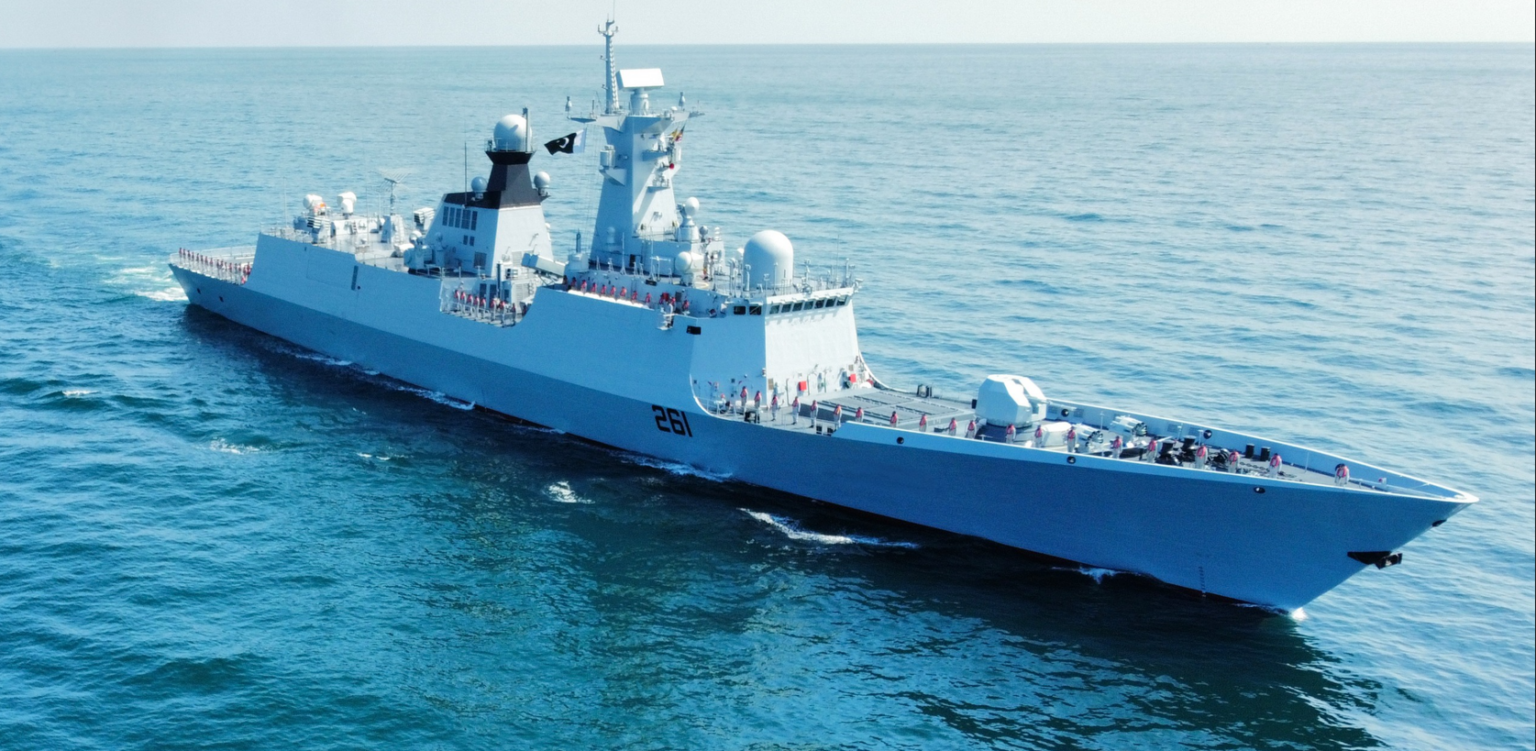
With naval powers coordinating efforts to secure vital trade routes and prevent escalation, the stakes have never been higher. The situation illustrates how maritime security has become a central issue in modern geopolitics, affecting not only regional stability but also the global economy.
As tensions continue to rise, the world is closely watching how leaders respond to one of the most pressing security challenges of our time.