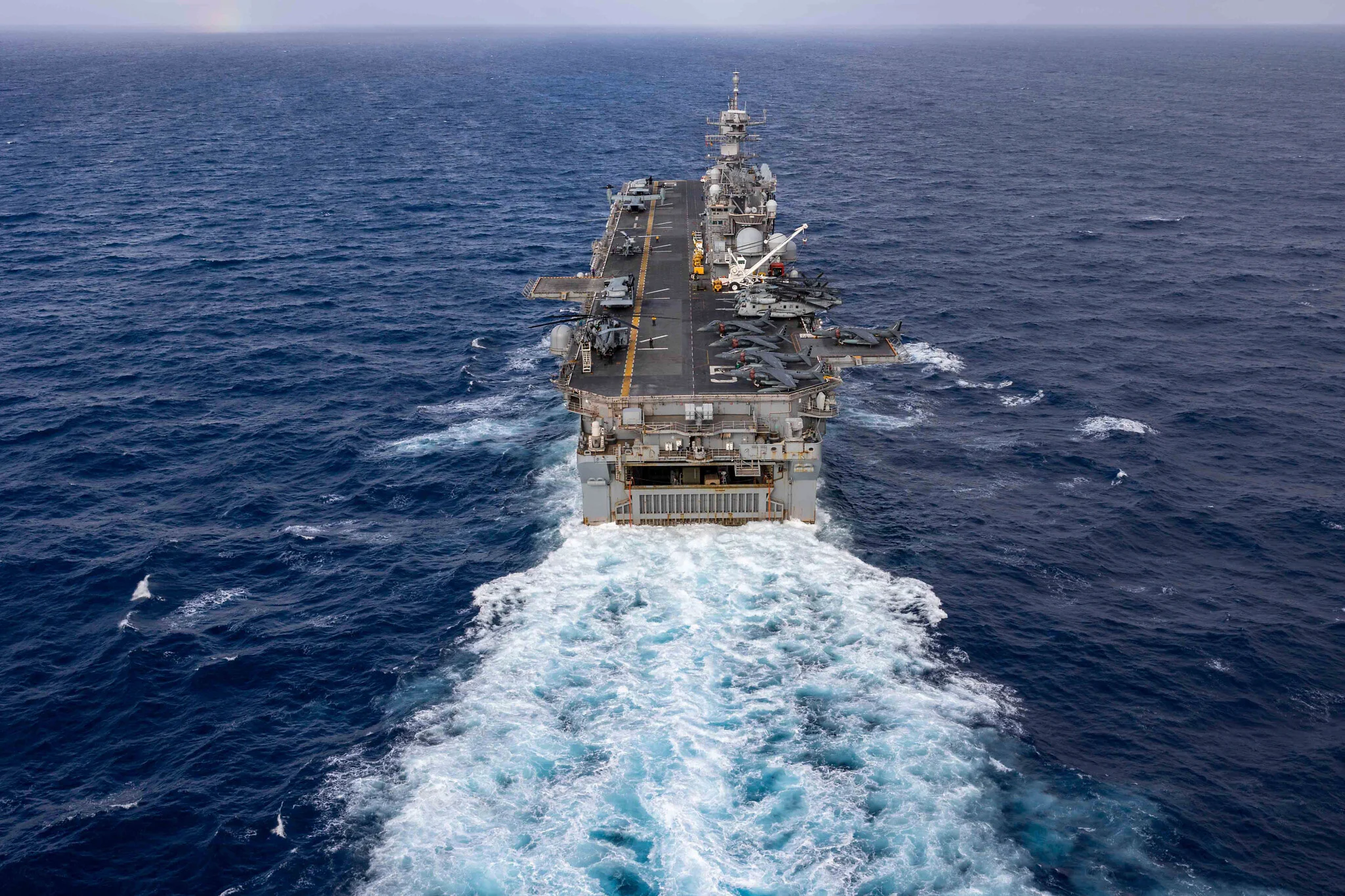
Washington / New Delhi, March 26, 2026 (Parliament Politics Magazine) US Iran conflict escalation is rapidly reshaping global security and economic stability, as a senior counterterrorism official has resigned in protest and India has urged citizens to avoid panic-buying fuel. These parallel developments highlight growing fears that the conflict is expanding beyond military confrontation into a full-scale global disruption.
The resignation comes amid intensifying hostilities, including ongoing strikes, threats to key oil routes, and rising geopolitical uncertainty. India’s warning signals that the impact of US Iran conflict escalation is already being felt far beyond the battlefield, particularly in energy-dependent economies.
Senior Official Resigns Over Strategic Concerns
The resignation of a top counterterrorism official marks a significant moment in the unfolding US Iran conflict escalation. According to sources, the official had raised repeated concerns about the direction of US policy, warning that escalating military actions could undermine long-term security goals.
The official reportedly believed that counterterrorism priorities were being overshadowed by broader military objectives. This shift, critics argue, risks reversing years of progress in combating extremist networks.
A senior policy expert noted:
“When leadership within counterterrorism begins to fracture, it’s a warning sign that the broader strategy may be moving too fast, too aggressively.”
The US Iran conflict escalation is now being viewed not just as a regional issue, but as a global strategic challenge.
India Warns Citizens as Fuel Panic Emerges
India has issued a public advisory urging citizens to refrain from panic-buying fuel, as concerns grow over potential supply disruptions linked to US Iran conflict escalation.
Authorities emphasized that fuel supplies remain stable, but warned that panic-driven demand could create artificial shortages. Long queues at fuel stations have already been reported in some areas, reflecting rising public anxiety.
India relies heavily on energy imports passing through the Strait of Hormuz, making it particularly vulnerable to disruptions caused by military tensions in the region.
Officials stressed that maintaining calm is critical to avoiding unnecessary strain on supply chains.
Energy Markets React to Rising Tensions
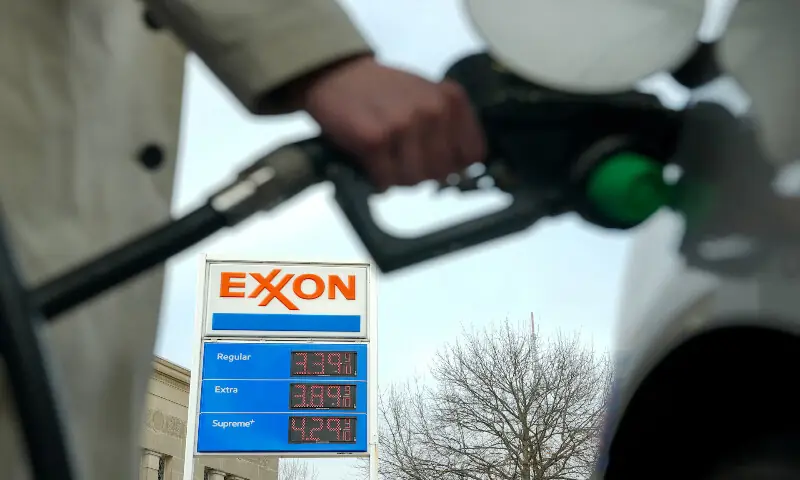
The US Iran conflict escalation has already triggered volatility in global energy markets. Oil prices have surged in response to fears of supply disruptions, with some reports indicating sharp increases tied to the ongoing conflict.
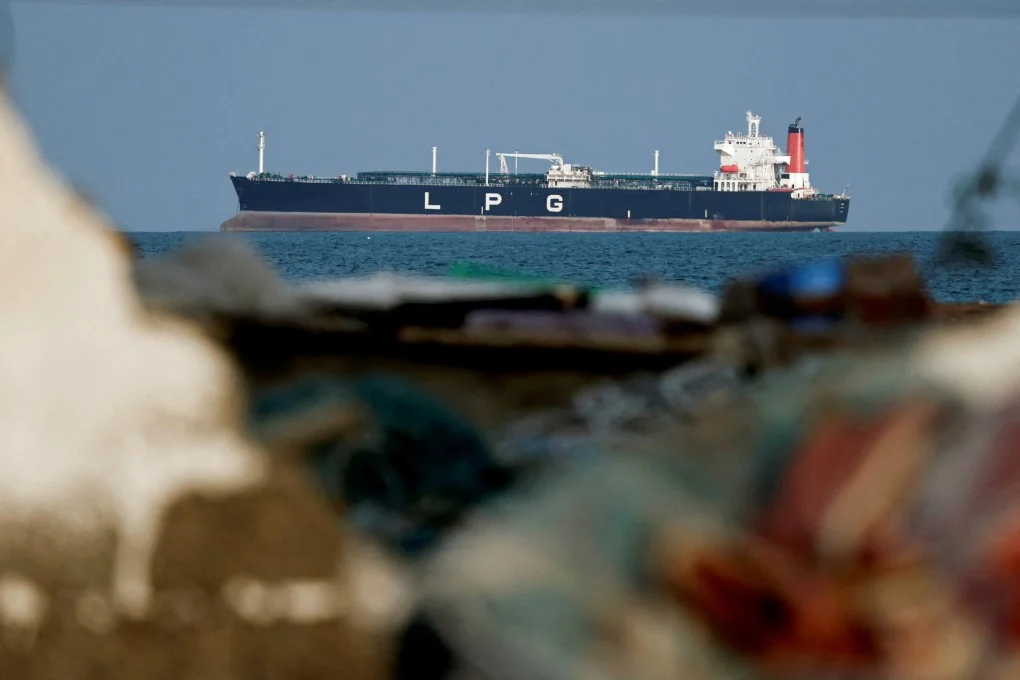
The Strait of Hormuz, through which a significant portion of the world’s oil supply flows, remains a key flashpoint. Any sustained disruption in this region could have immediate global consequences.
Recent developments have shown how quickly markets can react. Military strikes on energy infrastructure have already reduced production and contributed to price spikes worldwide.
Strait of Hormuz Becomes Critical Flashpoint
At the center of US Iran conflict escalation is the Strait of Hormuz, one of the world’s most strategically important waterways. Tensions in this region have intensified as both sides signal readiness for further confrontation.
Iran has previously threatened to disrupt shipping routes, a move that could significantly impact global trade and energy supply.
Shipping insurance costs have already surged, reflecting heightened risk perceptions among global stakeholders.
Experts warn that even limited disruptions could trigger a cascade of economic consequences worldwide.
Military Escalation Raises Global Alarm
The broader context of US Iran conflict escalation includes ongoing military operations involving the United States, Israel, and Iran. Since late February 2026, coordinated strikes and retaliatory attacks have significantly intensified the conflict.
Iran has responded with missile strikes and threats against critical infrastructure, while the United States has reinforced its military presence in the region.
The situation remains highly volatile, with the potential for further escalation at multiple flashpoints.
Counterterrorism Efforts Face New Risks
One of the most pressing concerns raised by the departing official is the potential impact on counterterrorism operations. As resources shift toward conventional military engagement, there is a risk that extremist groups could exploit the resulting gaps.
The US Iran conflict escalation presents a complex dilemma: balancing immediate geopolitical objectives with long-term security priorities.
Security analysts warn that neglecting counterterrorism efforts could have lasting consequences.
Policy Debate Intensifies in Washington
The resignation has intensified debate within Washington over the future of US foreign policy. Lawmakers are questioning whether the US Iran conflict escalation has a clearly defined objective or exit strategy.
Some officials argue that strong action is necessary to counter Iran’s influence, while others advocate for renewed diplomatic efforts to prevent further escalation.
Public pressure is also growing, particularly as economic impacts become more visible.
Global Ripple Effects Continue to Expand
The effects of US Iran conflict escalation are being felt worldwide. Countries across Asia, particularly those heavily dependent on imported energy, are experiencing increased pressure.
India has secured alternative oil supplies to stabilize its energy needs, but concerns remain about long-term sustainability.
Meanwhile, global markets remain sensitive to any new developments, with volatility expected to continue.
A Defining Moment for Global Stability
The convergence of military escalation, economic uncertainty, and internal dissent marks a critical moment in the US Iran conflict escalation.
The resignation of a senior official underscores the seriousness of the situation, while India’s warning highlights the real-world impact on everyday life.
The coming weeks will be crucial in determining whether the conflict can be contained or continues to expand.
What Comes Next?
Uncertainty remains the defining feature of the current situation. The trajectory of US Iran conflict escalation will depend on a range of factors, including military developments, diplomatic efforts, and economic conditions.
Observers are closely monitoring for signs of de-escalation, but risks remain high.
The resignation serves as a clear signal that even those within the system are questioning the current path forward.
Fuel Panic Signals a Broader Crisis
The resignation of a top counterterrorism official amid US Iran conflict escalation highlights deep internal concerns about the direction of US strategy. At the same time, India’s warning against panic-buying fuel reflects the growing economic impact of the conflict.
Together, these developments point to a rapidly evolving crisis that extends beyond military confrontation. As tensions rise, the world faces increasing uncertainty across both security and economic fronts.