

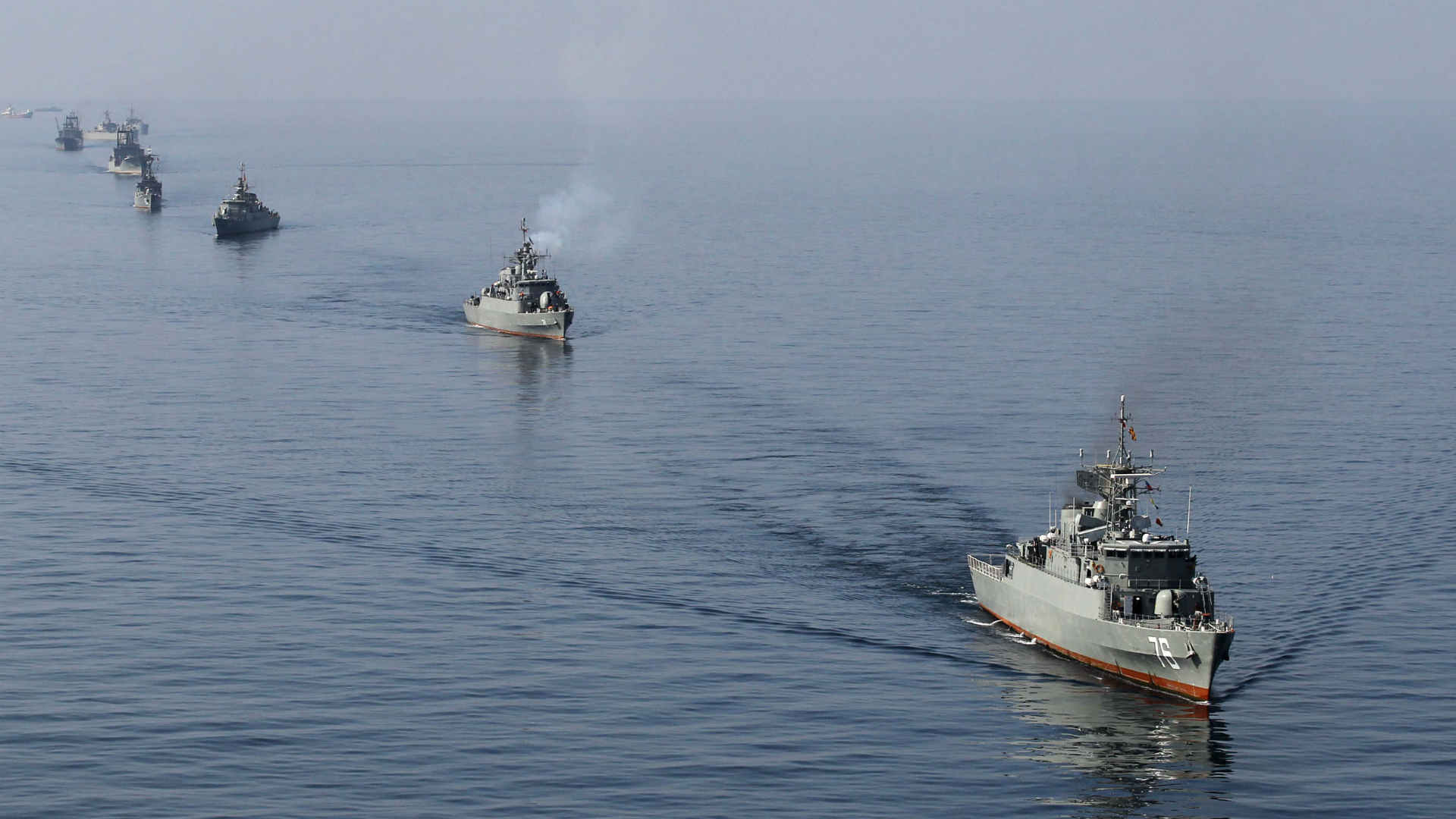
Paris, France, March 27, 2026 (Parliament Politics Magazine) Middle East shipping tensions are intensifying as France confirmed it shares the United States’ objective of reopening key maritime routes through the region, particularly the critical corridor of the Strait of Hormuz.
The announcement underscores growing urgency among Western allies to ensure uninterrupted shipping flows amid rising geopolitical risks that threaten global energy supply chains and international trade stability.
Strategic Importance of the Strait in Global Trade
Middle East shipping tensions have brought renewed focus to the Strait of Hormuz, a narrow passage through which a significant portion of the world’s oil exports travel.
Any disruption in this chokepoint can have immediate ripple effects across global markets, affecting energy prices, transportation costs, and economic stability.
The current situation highlights how Middle East shipping tensions are directly linked to broader global financial and supply chain systems.
France Aligns With US Maritime Objectives
France’s foreign minister emphasized that ensuring maritime security remains a shared priority with Washington. The coordinated stance reflects a broader effort to maintain open sea lanes amid escalating Middle East shipping tensions.
Officials stressed that cooperation among allies is essential to prevent disruptions and safeguard international trade.
A senior diplomatic official stated:
“Middle East shipping tensions are a global concern. Ensuring safe navigation is not optional—it is essential for economic stability worldwide.”
Rising Regional Risks Fuel Concern
Recent developments across the region have heightened Middle East shipping tensions, including increased military activity and threats to commercial vessels.
Security experts warn that these developments could escalate quickly if not addressed through coordinated international efforts.
The situation remains fluid, with analysts noting that even minor incidents can have outsized impacts on global markets.
Energy Markets React to Uncertainty
Middle East shipping tensions have already influenced energy markets, with oil prices showing increased volatility in response to potential supply disruptions.
Countries heavily dependent on imported energy are particularly vulnerable, closely monitoring developments in the region.
Market participants are adjusting strategies to account for the risks associated with instability in key shipping routes.
Security Measures and Naval Presence Expand
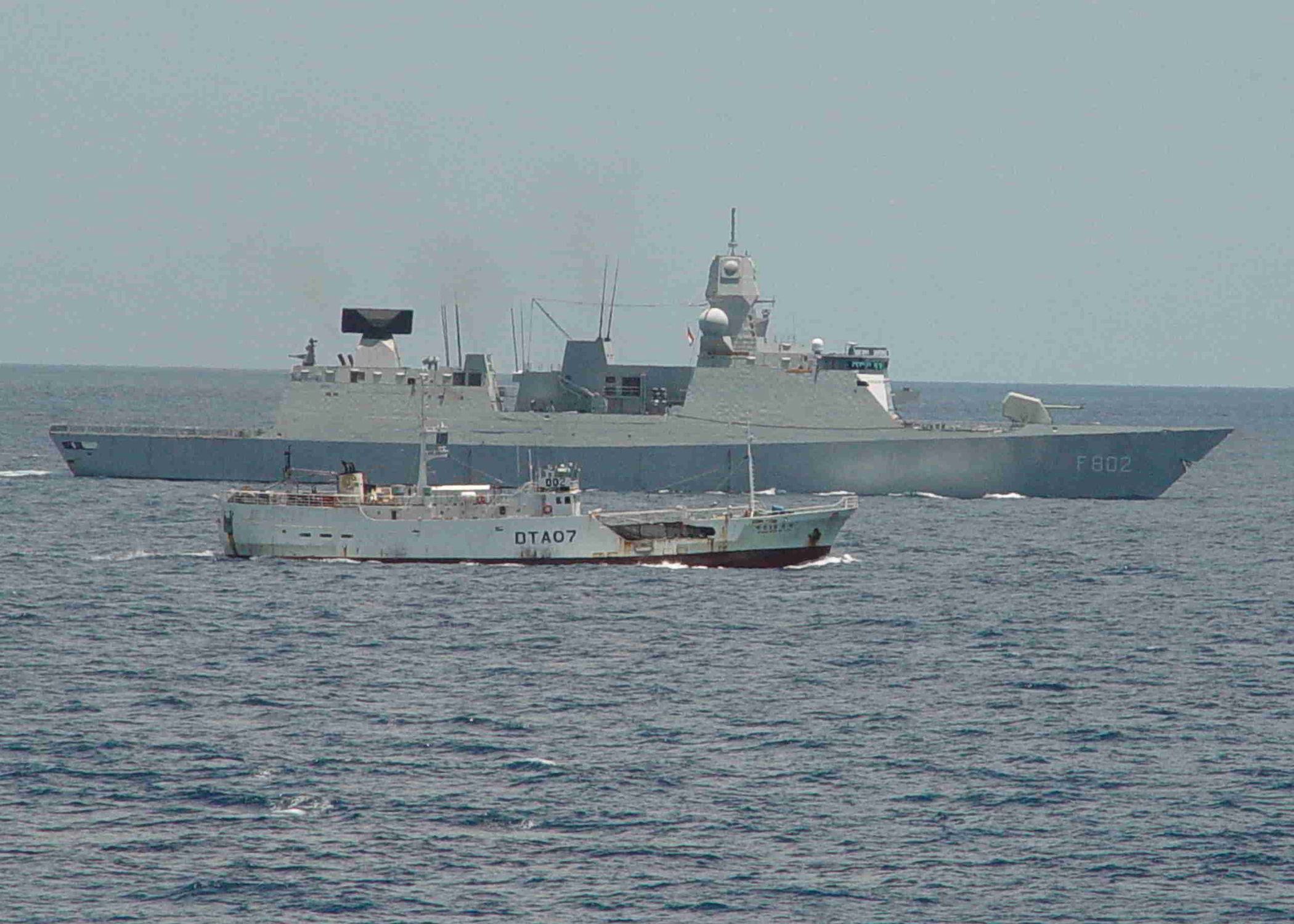
To counter rising Middle East shipping tensions, international naval forces have increased their presence in strategic waterways.
These measures aim to deter potential threats and ensure the safety of commercial shipping operations.
France’s involvement in such initiatives highlights the intersection of security and economic priorities in addressing regional instability.
Diplomatic Efforts Continue Alongside Security Actions
Diplomatic engagement remains a critical component of efforts to ease Middle East shipping tensions. France and its allies are pursuing dialogue to reduce risks and prevent further escalation.
Officials emphasize that long-term stability will require both security measures and diplomatic solutions.
The dual approach reflects the complexity of managing geopolitical challenges in the region.
Impact on Global Supply Chains
Middle East shipping tensions extend beyond energy markets, affecting global supply chains and trade routes.
Shipping delays, increased insurance costs, and logistical challenges are among the potential consequences of continued instability.
Businesses worldwide are evaluating contingency plans to mitigate risks associated with disrupted maritime routes.
Historical Context of Maritime Tensions
The region has a long history of maritime tensions, with past incidents demonstrating the vulnerability of key shipping corridors.
Middle East shipping tensions today echo previous crises, reinforcing the importance of proactive measures to maintain stability.
Experts note that lessons from past disruptions are shaping current strategies.
Economic and Geopolitical Stakes
The stakes are high as Middle East shipping tensions continue to evolve. Economic stability, energy security, and geopolitical balance are all interconnected in this scenario.
France’s alignment with the United States signals a unified approach to addressing these challenges.
However, the outcome will depend on the effectiveness of both diplomatic and security efforts.
Global Trade Faces Growing Pressure
Middle East shipping tensions highlight the fragility of global trade systems in the face of geopolitical uncertainty.
Ensuring safe passage through critical waterways remains a top priority for international stakeholders.
The coming weeks will be crucial in determining whether stability can be restored or risks will continue to escalate.
Shipping Risks Surge as Global Energy Routes Face Pressure
Middle East shipping tensions are rising as France supports US efforts to secure key maritime routes.
The situation threatens global energy supplies and trade flows, with markets reacting to increased uncertainty.
Experts warn that swift action is needed to prevent wider economic disruption.
