Washington — March 19, 2026 — Parliament Politics Magazine — US national security resignation headlines have taken center stage as a top counterterrorism official steps down in protest of escalating U.S. military actions against Iran, coinciding with Tehran’s controversial discussions on imposing tolls through the Strait of Hormuz.
The dual developments have intensified global concern, signaling a potential turning point in both geopolitical stability and energy security. As policymakers scramble to respond, markets and military analysts alike are bracing for possible ripple effects across international trade routes.
High-Level Exit Signals Deep Policy Divide
The US national security resignation has sent shockwaves through Washington’s intelligence and defense communities. According to senior sources, the departing official strongly opposed the current trajectory of U.S. involvement in the Middle East, warning of unintended consequences and prolonged instability.
said a former national security advisor.
“It reflects a serious fracture in how the U.S. government views this conflict.”
The move has triggered immediate reactions on Capitol Hill, with calls for oversight hearings and renewed debate over the administration’s strategy toward Iran.
Iran Advances Strait of Hormuz Toll Discussions
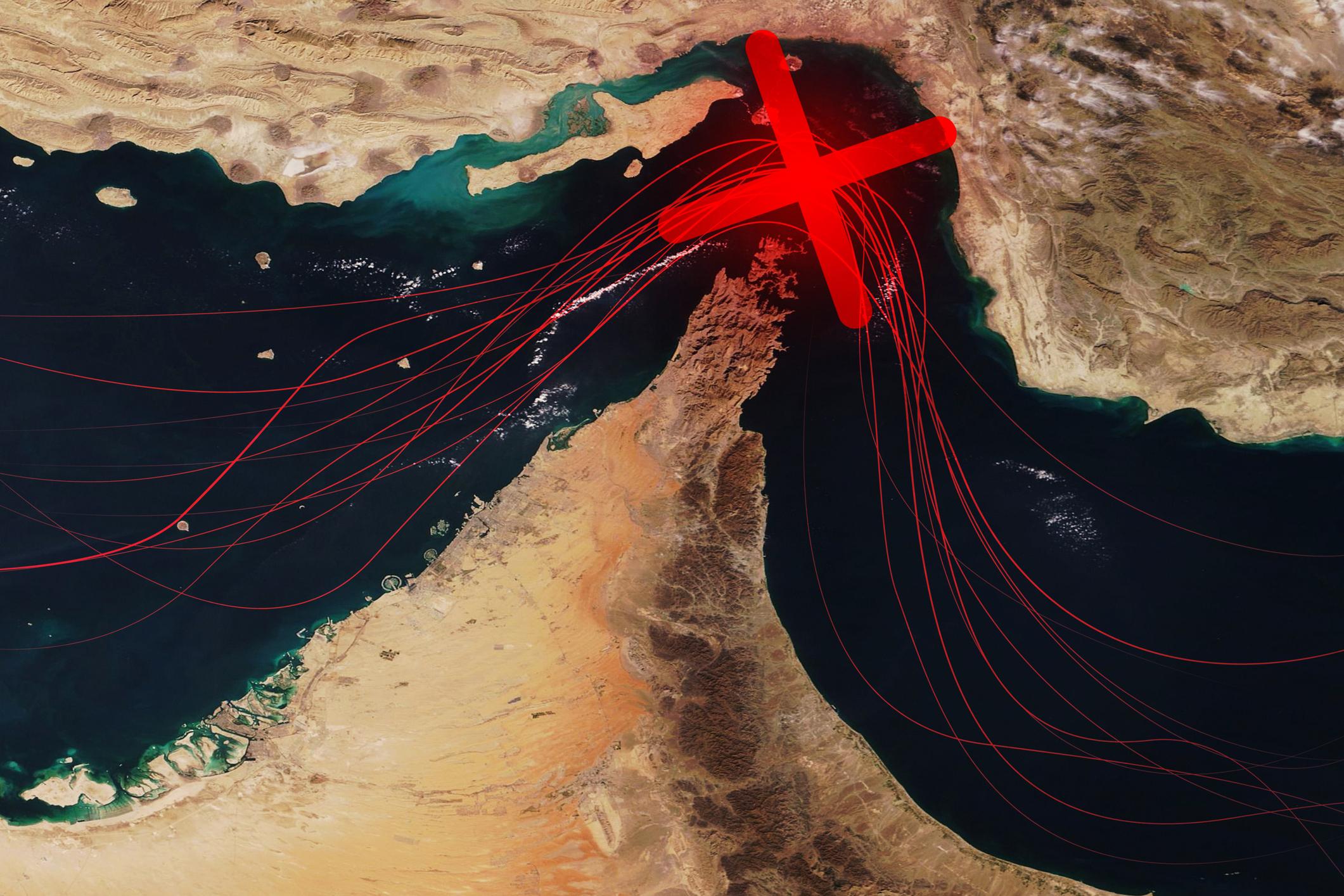
While Washington deals with internal fallout, Iran’s parliament is moving forward with a bold proposal that could reshape global shipping dynamics. The plan centers on introducing tolls for vessels passing through the vital Strait of Hormuz.
Though separate from the US national security resignation, the timing of the proposal has amplified its global impact. Iranian lawmakers argue that the toll system would serve as both an economic tool and a strategic countermeasure to external pressures.
The Strait of Hormuz remains one of the most critical maritime corridors in the world, handling a significant portion of global oil shipments daily.
Energy Markets React to Escalating Tensions
The combination of the US national security resignation and Iran’s toll proposal has injected new volatility into global energy markets. Oil prices have begun to fluctuate as traders assess the risks of potential disruptions.
Analysts suggest that even the perception of instability in the Strait of Hormuz could lead to sharp price movements.
said an energy economist.
“This situation has the potential to escalate quickly.”
Countries reliant on oil imports are already evaluating contingency plans, including diversifying supply chains and increasing reserves.
Military Risks and Strategic Calculations
Defense experts warn that the US national security resignation may complicate military decision-making at a critical time. With Iran considering enforcement of tolls, the possibility of naval confrontations cannot be ruled out.
The United States and its allies have long maintained that freedom of navigation in international waters is non-negotiable. Any attempt to impose restrictions could trigger a strong response.
noted a military strategist.
“Missteps on either side could escalate into direct conflict.”
Internal Tensions Within U.S. Leadership
The US national security resignation has highlighted growing divisions within the U.S. government. While some officials advocate for diplomatic engagement, others support a more aggressive stance.
These internal disagreements may impact how the U.S. responds to Iran’s maritime strategy, potentially delaying decisive action at a time when clarity is needed most.
Political observers suggest that the resignation could influence upcoming policy decisions, particularly if additional officials voice similar concerns.
Global Reactions Intensify
International leaders have responded cautiously to the unfolding situation. European nations are urging restraint, while Asian economies—heavily dependent on energy imports—are closely monitoring developments.
Shipping companies are also taking precautionary measures, adjusting routes and insurance coverage in response to the heightened risk environment.
The US national security resignation has added urgency to diplomatic efforts, as global stakeholders seek to prevent further escalation.
Economic Impact Could Be Immediate
The economic implications of the current situation are significant. If Iran proceeds with tolls, global shipping costs could rise sharply, impacting everything from fuel prices to consumer goods.
The US national security resignation adds another layer of uncertainty, raising questions about the stability of U.S. policy and its ability to manage the crisis effectively.
Economists warn that even short-term disruptions could have lasting consequences for global markets.
Quote for High CTR
said a senior geopolitical analyst.
“The US national security resignation and Iran’s actions in the Strait of Hormuz could reshape the future of international trade and security.”
What Happens Next?
As tensions continue to build, the world is watching closely. The US national security resignation has underscored the seriousness of the situation, while Iran’s parliamentary discussions signal a willingness to challenge global norms.
Diplomatic channels remain open, but the path forward is uncertain. The coming days may determine whether the situation stabilizes or escalates further.

Summary:
The US national security resignation has triggered global concern at a time when Iran is considering tolls in the Strait of Hormuz. Together, these developments threaten energy markets, increase military risks, and create uncertainty across international trade. With stakes this high, the world is bracing for what comes next.