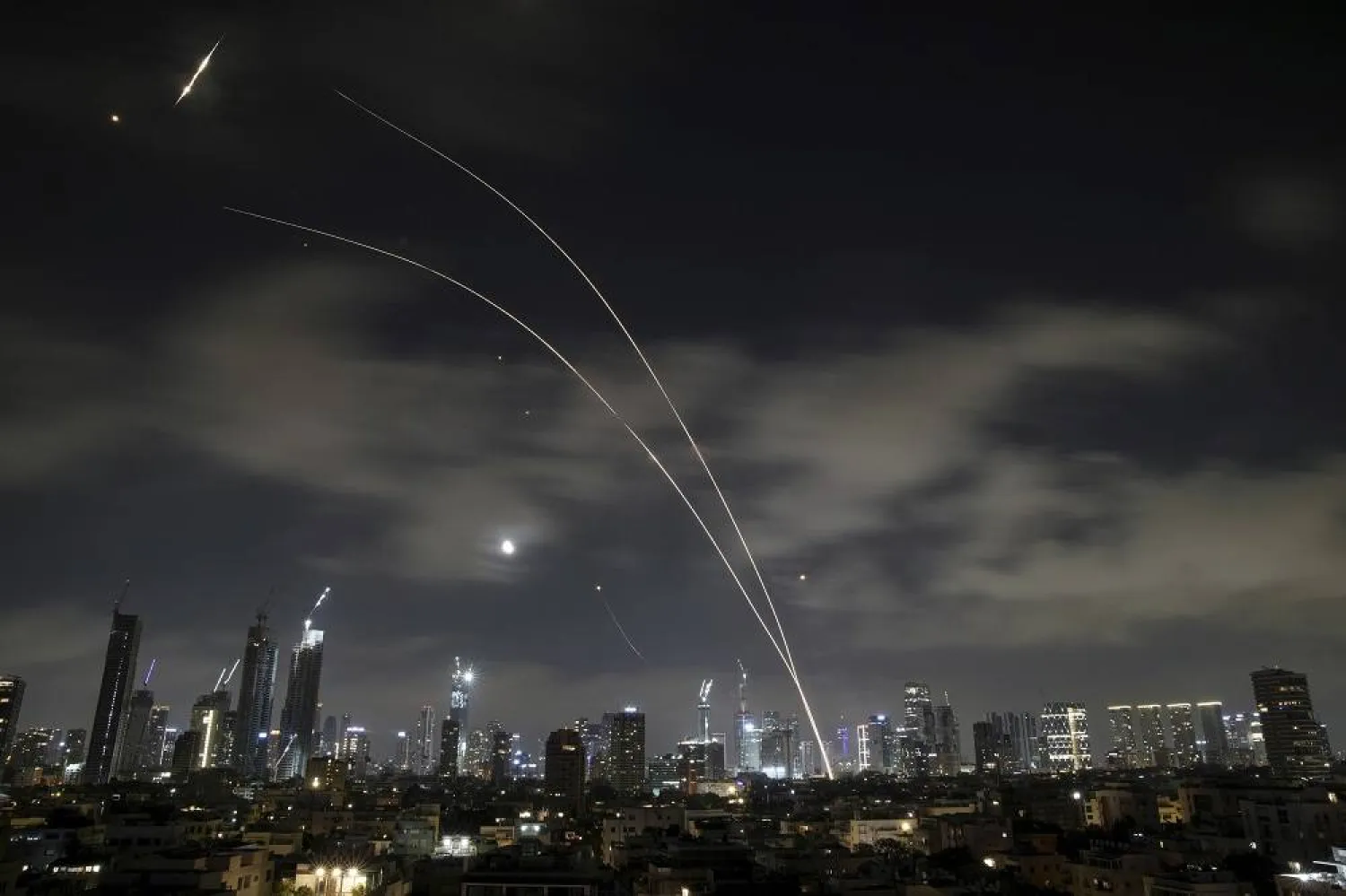
ABU DHABI, United Arab Emirates, March 28, 2026 (Parliament Politics Magazine) Middle East missile threat intensified after authorities confirmed that five people were injured when a missile was intercepted near the Khalifa Economic Zones Abu Dhabi (KEZAD), a key industrial and logistics hub in the UAE.
Officials stated that the country’s air defense systems successfully neutralized the incoming missile before it could reach its intended target. However, falling debris from the interception caused injuries and minor property damage in surrounding areas, prompting emergency response teams to act quickly.
Air Defense Systems Prevent Major Damage
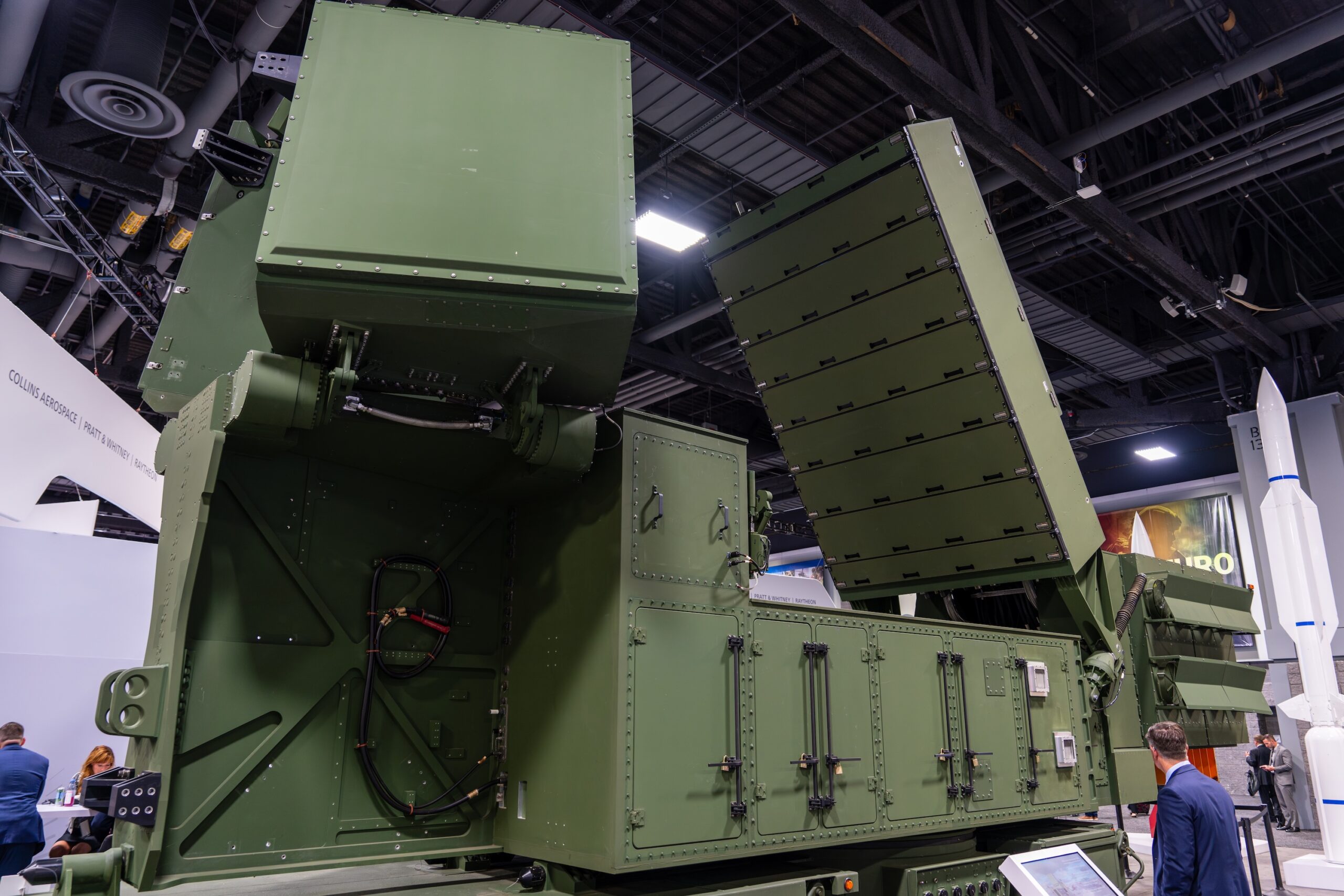
Authorities reported that the missile was detected and intercepted within seconds, highlighting the effectiveness of the UAE’s advanced defense infrastructure. The Middle East missile threat scenario could have resulted in far greater casualties had the interception not occurred in time.
Security officials emphasized that rapid response protocols played a crucial role in minimizing the impact of the incident.
A defense official stated:
“The interception prevented a potentially catastrophic event. Our systems performed exactly as designed under high-pressure conditions.”
Injuries Linked to Debris Fallout
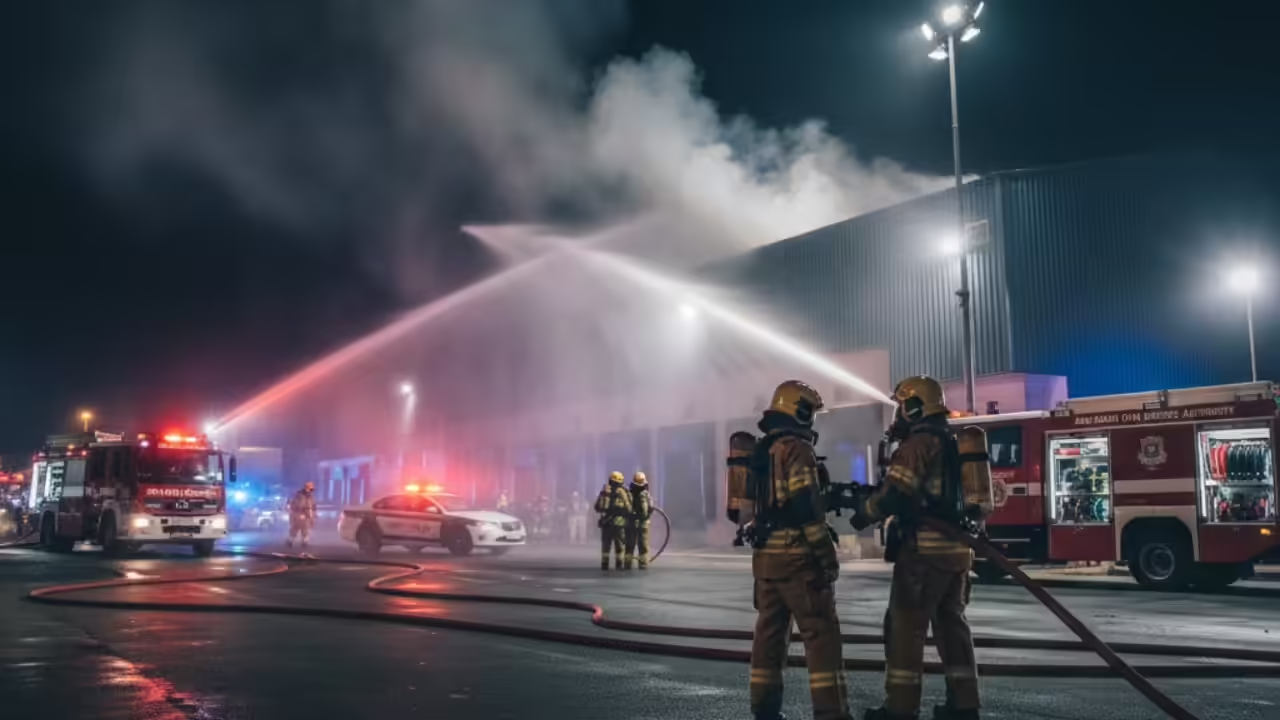
Despite the successful interception, debris from the destroyed missile fell into nearby areas, injuring five individuals. Medical authorities confirmed that all injuries were non-life-threatening, though the incident has raised concerns about the risks associated with missile defense operations in populated regions.
Emergency teams secured the site and conducted safety checks to ensure no additional hazards remained. The Middle East missile threat incident underscores the unpredictable consequences of such attacks, even when defense systems function effectively.
KEZAD’s Strategic Importance
The Khalifa Economic Zones Abu Dhabi (KEZAD) is one of the UAE’s most significant economic centers, supporting manufacturing, logistics, and international trade operations. Any disruption to this hub has the potential to affect supply chains and economic stability across the region.
The Middle East missile threat incident has drawn attention to the vulnerability of critical infrastructure in geopolitically sensitive areas. Authorities have reassured businesses that operations will resume fully following safety inspections.
Regional Tensions Drive Security Concerns
While officials have not yet confirmed the source of the missile, analysts believe the incident may be connected to broader geopolitical tensions in the Middle East.
Ongoing conflicts and strained relations involving regional powers have contributed to a heightened security environment. The Middle East missile threat is increasingly seen as part of a wider pattern of military and strategic signaling.
A regional analyst noted:
“Missile incidents like this are often tied to larger geopolitical narratives. They serve as both warnings and demonstrations of capability.”
Government Response and Increased Security
In response to the incident, UAE authorities have implemented additional security measures across key infrastructure sites. Surveillance systems have been enhanced, and airspace monitoring has been intensified.
The government has urged residents to remain calm, assuring the public that the situation is under control. The Middle East missile threat response reflects the country’s commitment to maintaining safety and stability despite external challenges.
Public Reaction and Safety Concerns
Residents in nearby areas reported hearing loud explosions and seeing flashes in the sky during the interception. While initial reactions included confusion and concern, official statements helped clarify the situation and prevent panic.
The Middle East missile threat incident has highlighted the psychological impact of such events, even when physical damage is limited. Public awareness and communication remain key factors in managing these situations effectively.
Global Implications and Market Sensitivity
The international community is closely monitoring developments, particularly given KEZAD’s role in global trade. Any disruption to operations could have broader economic implications.
The Middle East missile threat may also influence global markets, as investors and businesses assess the potential risks associated with regional instability.
Calls for increased international cooperation on security and defense have intensified in the wake of the incident.
Ongoing Investigation into Missile Origin
Authorities have launched a comprehensive investigation to determine the origin and trajectory of the missile. Defense and intelligence agencies are collaborating to gather evidence and identify those responsible.
Officials have indicated that updates will be provided as new information becomes available. The Middle East missile threat case is expected to play a role in shaping future defense strategies and regional policies.
What This Means for Regional Security
The Middle East missile threat incident in Abu Dhabi highlights both the effectiveness of modern defense systems and the persistent risks facing the region. While the interception prevented a major disaster, the injuries caused by debris demonstrate the real-world impact of such threats.
As tensions continue to evolve, governments and organizations must remain vigilant and prepared to respond to emerging challenges.
Key Takeaways from Abu Dhabi Missile Incident
The Middle East missile threat has once again come into focus following the interception near KEZAD that left five injured. The event underscores the importance of advanced defense systems, rapid response capabilities, and international cooperation in maintaining regional stability.
While the situation remains under investigation, the incident serves as a reminder of the ongoing security challenges in the Middle East and the need for continued vigilance.