
Washington, D.C. / Tel Aviv, March 28, 2026 (Parliament Politics Magazine) global security policy shift is emerging as a defining theme in Middle East geopolitics, as analysts increasingly question whether current US and Israel strategies are unintentionally strengthening the Islamic Republic of Iran. Recent developments, including the resignation of a senior counterterrorism official, have intensified scrutiny over long-standing policy approaches.
The evolving global security policy shift highlights a growing divide between intended outcomes and actual geopolitical effects, raising concerns among policymakers and security experts.
A Strategic Paradox in Motion
At the center of the debate is a paradox: actions designed to weaken Iran may instead be consolidating its strength. The global security policy shift reflects a reassessment of how pressure tactics influence long-term outcomes.
Key factors contributing to this paradox include:
- Reinforced national unity within Iran
- Expansion of regional partnerships and alliances
- Increased investment in domestic capabilities
- Strengthened political narratives against external pressure
A senior analyst observed:
“Policies meant to isolate Iran may be accelerating its adaptation and resilience, not diminishing it.”
Resignation Highlights Policy Friction
The resignation of a top counterterrorism official has added urgency to the discussion surrounding the global security policy shift. The move is widely interpreted as a signal of internal disagreement over strategic direction.
Concerns reportedly raised include:
- Escalation risks without clear objectives
- Limited use of diplomatic channels
- Potential reinforcement of adversarial positions
- Long-term unintended consequences
This development suggests that debates over the global security policy shift are not confined to external observers but are also present within decision-making circles.
Iran’s Expanding Regional Influence
Despite sustained pressure, Iran’s regional footprint appears to be evolving rather than shrinking. Analysts argue that the global security policy shift has contributed to this outcome.
Areas of influence include:
- Stronger ties with regional actors
- Increased political leverage in key regions
- Development of asymmetric capabilities
- Strategic positioning in ongoing conflicts
These trends are central to understanding how the global security policy shift may be altering the balance of power.
Economic Adaptation Under Pressure
Sanctions remain a cornerstone of policy, but Iran has demonstrated an ability to adapt. The global security policy shift includes recognition of how economic measures can drive innovation and alternative strategies.
Adaptation strategies include:
- Diversification of trade routes
- Growth of domestic industries
- Expansion of informal financial networks
- Strengthening regional economic cooperation
While economic pressure has created challenges, it has also encouraged structural resilience.
Security Implications and Military Dynamics
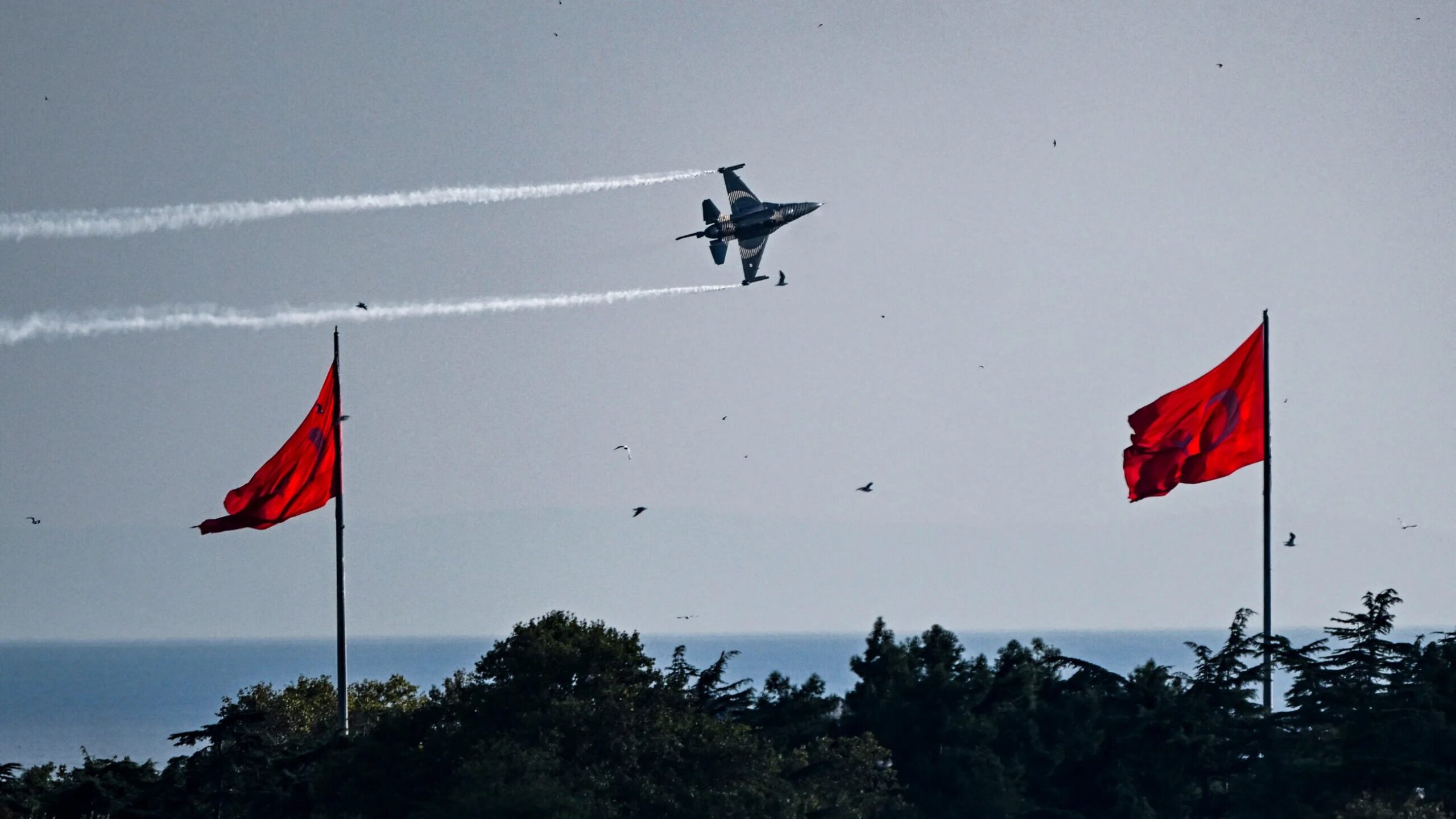
From a security perspective, the global security policy shift is influencing both defensive and offensive strategies. Military pressure can trigger countermeasures that reshape regional stability.
Key implications include:
- Enhanced defensive capabilities
- Increased surveillance and intelligence operations
- Development of unconventional strategies
- Elevated regional alert levels
These factors contribute to a more complex security environment.
Narrative and Information Strategy
Iran’s response has not been limited to physical or economic measures. The global security policy shift also involves narrative dynamics, where perception plays a crucial role.
Iran’s messaging strategy includes:
- Framing itself as resisting external pressure
- Strengthening domestic cohesion
- Expanding international communication efforts
- Building support among aligned groups
Control over narrative can influence both domestic and global perceptions.
Global Reactions and Diplomatic Trends
The international response to Iran remains divided. The global security policy shift is prompting renewed discussions on the effectiveness of current strategies.
Emerging diplomatic trends include:
- Calls for renewed negotiations
- Efforts to de-escalate tensions
- Increased engagement from neutral parties
- Reassessment of long-term policy outcomes
These developments indicate a broader reconsideration of global security approaches.
Future Policy Considerations
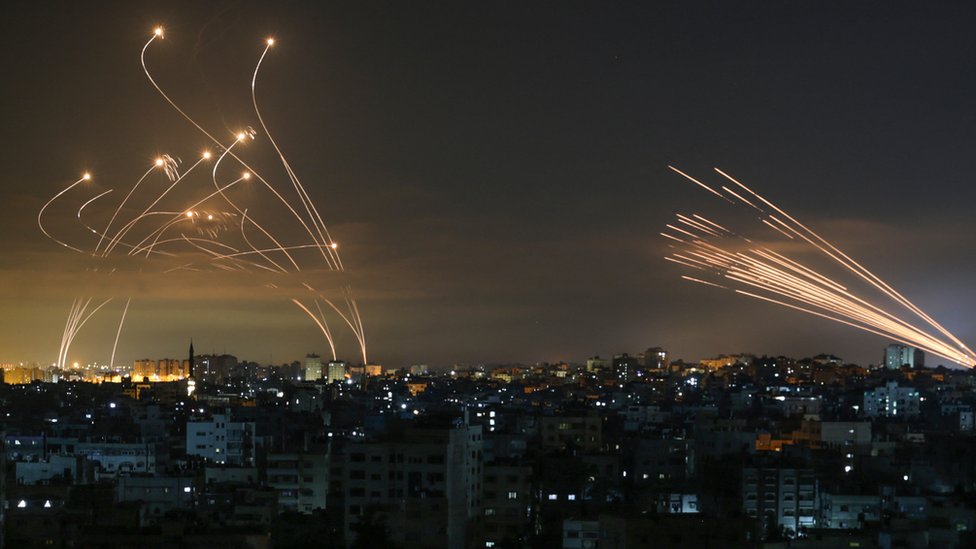
As the global security policy shift continues, policymakers face complex decisions about how to balance pressure and engagement.
Potential areas of focus include:
- Integrating diplomatic and strategic approaches
- Evaluating unintended consequences
- Adjusting long-term objectives
- Responding to evolving regional dynamics
The path forward will likely require flexibility and reassessment.
Key Developments
The ongoing global security policy shift is reshaping perceptions of effectiveness in Middle East policy.
- Current strategies may be strengthening Iran’s resilience
- Internal disagreements are becoming more visible
- Regional influence remains a key factor
- Economic adaptation is driving long-term stability
- Policy recalibration may be necessary