

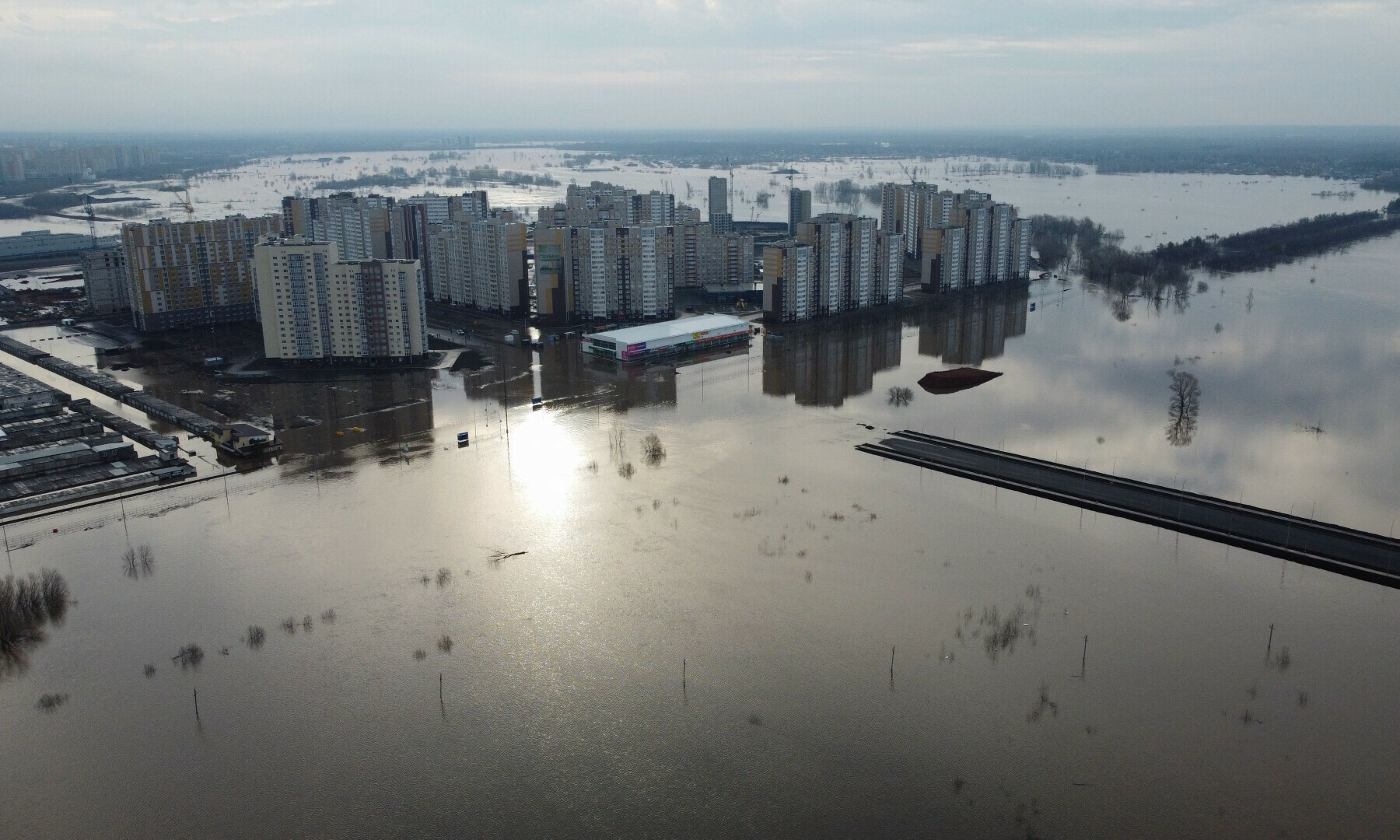
Makhachkala, Dagestan, Russi, March 28, 2026 (Parliament Politics Magazine) Russia extreme weather alert conditions have been declared in Dagestan’s capital after severe flooding knocked out electricity for more than 327,000 residents, disrupting daily life and raising urgent concerns over infrastructure resilience.
Authorities confirmed that intense rainfall overwhelmed drainage systems, submerged roads, and triggered widespread failures across the regional power grid. Emergency teams have been deployed as officials warn that additional rainfall could prolong the crisis.
The situation has escalated rapidly, forcing local authorities to implement emergency protocols while prioritizing public safety and restoration of essential services.
a regional emergency official stated.
“Our immediate focus is restoring electricity and protecting lives.”
Massive Power Outages Impact Hundreds of Thousands
The scale of disruption under the Russia extreme weather alert has left over 327,000 residents without electricity across Makhachkala and surrounding districts.
Energy infrastructure suffered significant damage as substations became flooded, forcing shutdowns to prevent further electrical hazards. Entire neighborhoods remain in darkness, affecting:
- Communication networks
- Water supply systems
- Healthcare operations
- Transportation services
Hospitals and emergency services are currently operating on backup generators, while repair crews work around the clock to restore power.
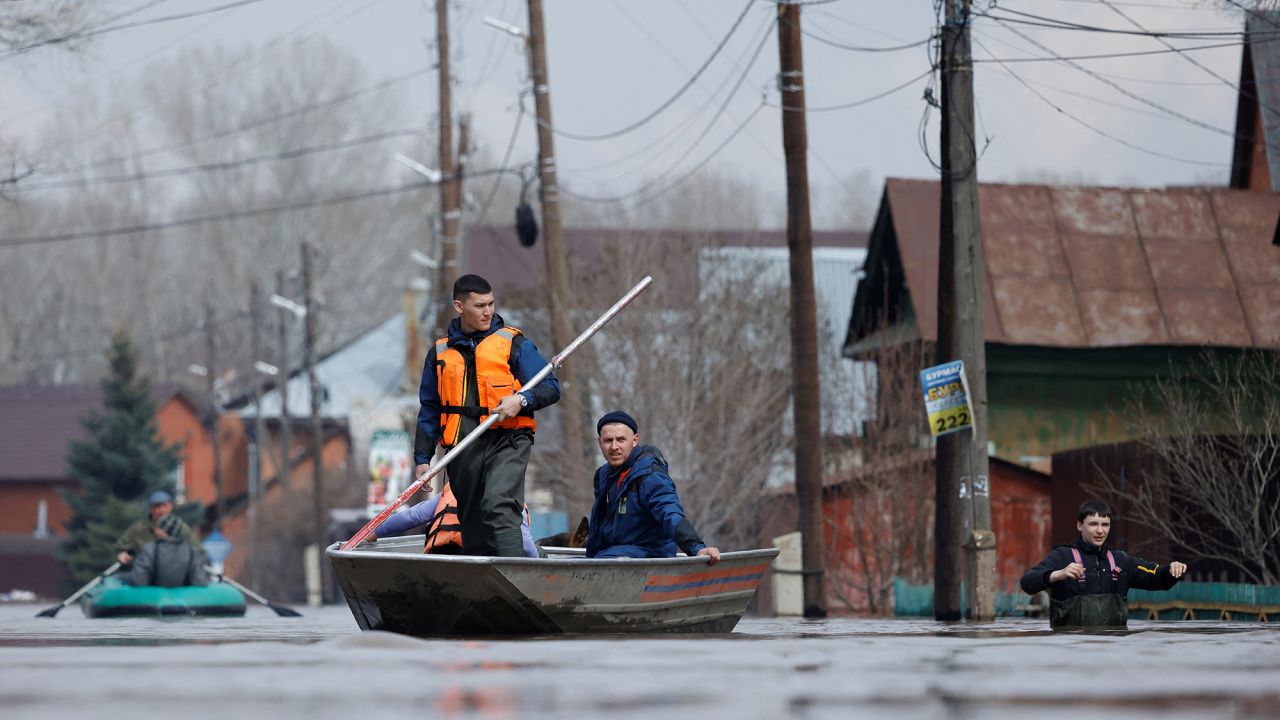
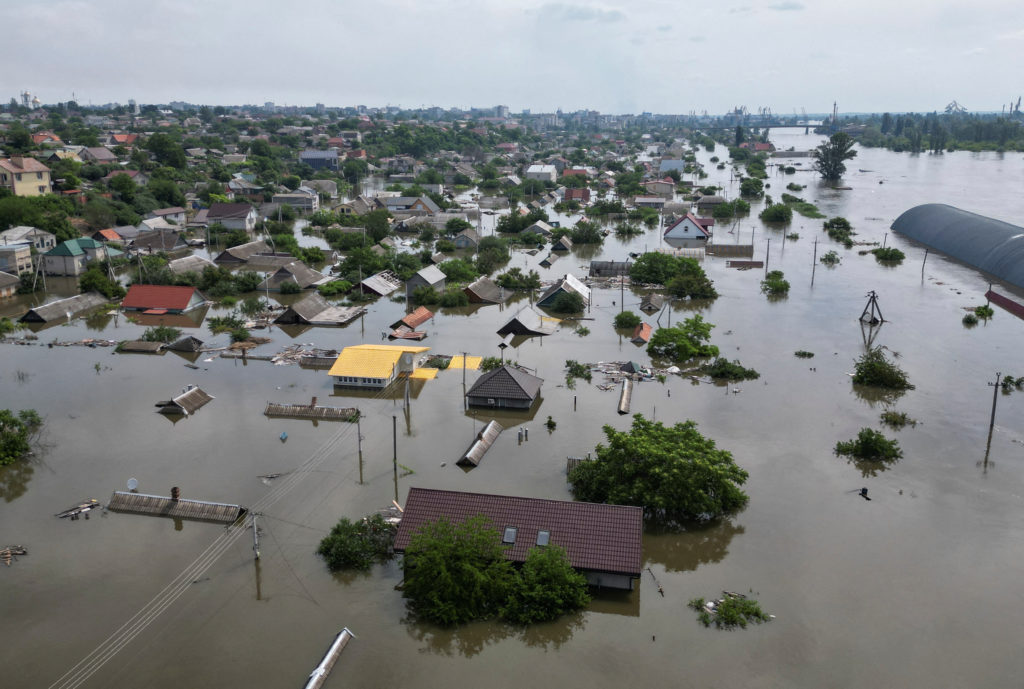
Residents described the sudden transformation of streets into rivers, with vehicles stranded and homes inundated.
Heavy Rainfall Pushes Infrastructure Beyond Limits
Meteorological reports indicate that the region experienced an unusually intense burst of rainfall, far exceeding typical seasonal patterns.
Experts believe several factors contributed to the severity of the crisis:
- Aging drainage infrastructure unable to handle excess water
- Rapid urban development without adequate planning
- Limited flood prevention systems
- Increasing climate volatility
The Russia extreme weather alert underscores the growing challenges cities face when infrastructure fails to keep pace with environmental changes.
Emergency Response Intensifies Across the Region
Authorities have mobilized a large-scale response effort to manage the unfolding disaster.
Key actions include:
- Evacuations in flood-prone neighborhoods
- Deployment of mobile generators
- Continuous water pumping operations
- Establishment of temporary shelters
Officials have urged residents to avoid flooded areas due to risks such as electrocution and collapsing structures.
Federal agencies are also coordinating with regional teams to accelerate recovery efforts and assess the full extent of the damage.
Human Impact: Displacement and Economic Losses
The Russia extreme weather alert is not only an infrastructure crisis but also a humanitarian challenge.
Families have been displaced as homes became uninhabitable, while businesses are facing mounting losses due to prolonged outages and damaged inventory.
Food supply chains have been disrupted, particularly in areas where refrigeration systems failed. Small businesses, in particular, are expected to face long-term financial consequences.
said a local resident.
“We need lasting solutions, not just emergency fixes.”
Historical Flood Risks in Dagestan
Dagestan has a history of flooding, but the current Russia extreme weather alert stands out due to its scale and widespread impact on urban infrastructure.
The region has traditionally been vulnerable to:
- Storm systems from the Caspian Sea
- Mountain runoff during heavy rains
- Limited flood defense mechanisms
Previous incidents prompted calls for modernization, yet progress has been uneven. This event may serve as a turning point for future infrastructure planning.
Climate Trends Raise New Concerns
Environmental experts suggest that extreme weather events like this are becoming more frequent and severe.
Key climate-related trends include:
- Increased rainfall intensity
- Greater unpredictability in weather patterns
- Rising risks of urban flooding
The Russia extreme weather alert reflects broader global challenges linked to climate change, emphasizing the need for adaptive infrastructure and planning.
Infrastructure Weaknesses Under Scrutiny
The crisis has exposed significant weaknesses in regional infrastructure systems.
Key concerns include:
- Vulnerable power grids exposed to flooding
- Insufficient drainage capacity
- Lack of proactive disaster mitigation strategies
Experts warn that without substantial investment, similar emergencies could become more common in the future.
National Implications and Strategic Response
The Russia extreme weather alert has drawn national attention due to its scale and impact on critical infrastructure.
Large-scale outages can affect economic stability and public confidence, making energy reliability a key priority for authorities.
A comprehensive review of infrastructure systems is expected once the immediate crisis subsides.
What Happens Next in Dagestan?
Officials estimate that full power restoration may take several days, depending on weather conditions and the extent of damage.
Immediate priorities include:
- Restoring electricity to affected areas
- Assessing infrastructure damage
- Providing aid to displaced residents
- Implementing preventive measures
While emergency efforts are ongoing, long-term planning will be critical to reduce future risks.
Key Developments
- A Russia extreme weather alert has been declared in Dagestan
- More than 327,000 residents are without power
- Severe rainfall overwhelmed urban infrastructure
- Emergency crews are actively responding
- The crisis highlights climate and infrastructure challenges
