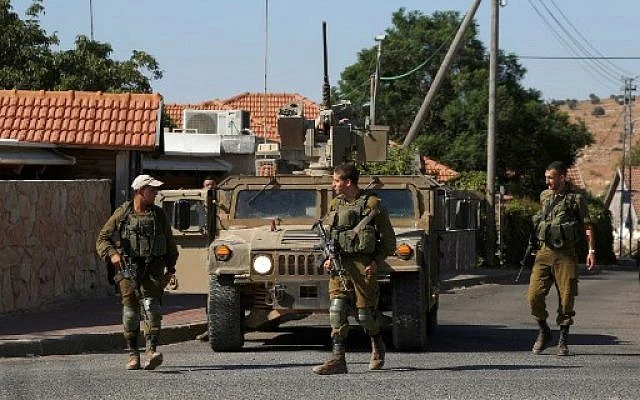
Beirut, Lebanon, March 29, 2026 (Parliament Politics Magazine) Hezbollah ambulance allegations have triggered international scrutiny after Israel claimed that Hezbollah used ambulances for military purposes, yet no verifiable evidence has been publicly released. The accusations have intensified debate over humanitarian protections and the integrity of medical services in conflict zones.
The issue has quickly become a focal point in the ongoing regional tensions, raising serious legal and ethical questions.
Claims Surface Without Public Verification
Israeli officials stated that intelligence suggested Hezbollah had been using ambulances to transport fighters and weapons. However, authorities have not shared images, documentation, or independent verification to support these claims.
The lack of transparency surrounding the Hezbollah ambulance allegations has led to skepticism among analysts and international observers.
A regional expert noted:
“Allegations involving protected medical services require a high standard of proof. Without evidence, they risk damaging credibility and increasing tensions.”
This absence of confirmation has left the situation open to competing narratives.
Hezbollah Rejects Accusations
Hezbollah has firmly denied the Hezbollah ambulance allegations, calling them “false and dangerous.” The group accused Israel of attempting to justify potential targeting of civilian infrastructure.
In an official statement, Hezbollah said:
“These allegations are baseless and are intended to undermine humanitarian protections.”
The organization emphasized that medical services must remain neutral and protected under all circumstances.
Humanitarian Risks and Medical Neutrality
The controversy surrounding the Hezbollah ambulance allegations has raised alarms among humanitarian organizations. Medical neutrality is a cornerstone of international humanitarian law, ensuring that ambulances and healthcare workers are protected during armed conflicts.
Experts warn that unverified claims could lead to dangerous consequences, including hesitation among medical teams and increased risk to civilians.
A humanitarian worker stated:
“If ambulances are perceived as military assets, it could put both patients and healthcare providers in immediate danger.”
The situation highlights the fragile balance between military operations and civilian protection.
International Community Calls for Evidence
The global response to the Hezbollah ambulance allegations has been cautious but firm. The United Nations and other international bodies have called for credible evidence and independent verification.
A UN spokesperson said:
“Any claim involving misuse of medical services must be supported by clear and verifiable evidence.”
Diplomatic leaders have urged restraint, emphasizing that unproven allegations could escalate tensions and undermine humanitarian efforts.
Legal Implications of the Allegations
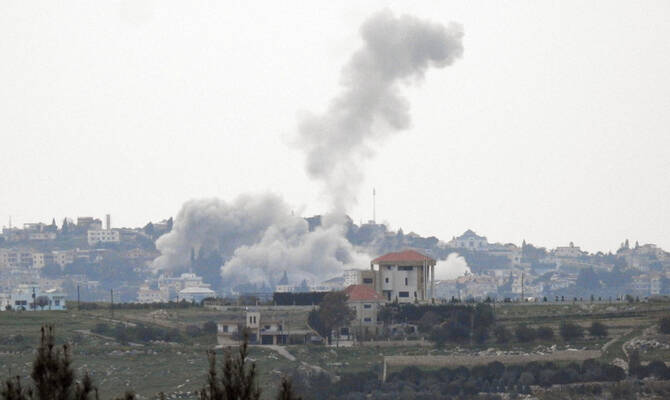
The Hezbollah ambulance allegations carry significant legal implications. If proven true, such actions would violate international humanitarian law. However, false or unverified claims could also have serious consequences.
Legal experts caution that making allegations without evidence could erode trust in conflict reporting and weaken protections for medical services globally.
A legal analyst explained:
“Both misuse and misrepresentation of medical neutrality can have far-reaching consequences.”
This dual risk underscores the importance of evidence-based claims in conflict situations.
Information Warfare and Strategic Messaging
The emergence of the Hezbollah ambulance allegations reflects the growing importance of information warfare in modern conflicts. Competing narratives are often used to shape public perception and justify military strategies.
Analysts suggest that such claims may serve broader strategic objectives, influencing international opinion and preparing the ground for potential future actions.
In an era of rapid information dissemination, unverified claims can quickly gain traction, complicating efforts to establish facts.
Impact on Civilians and Healthcare Services
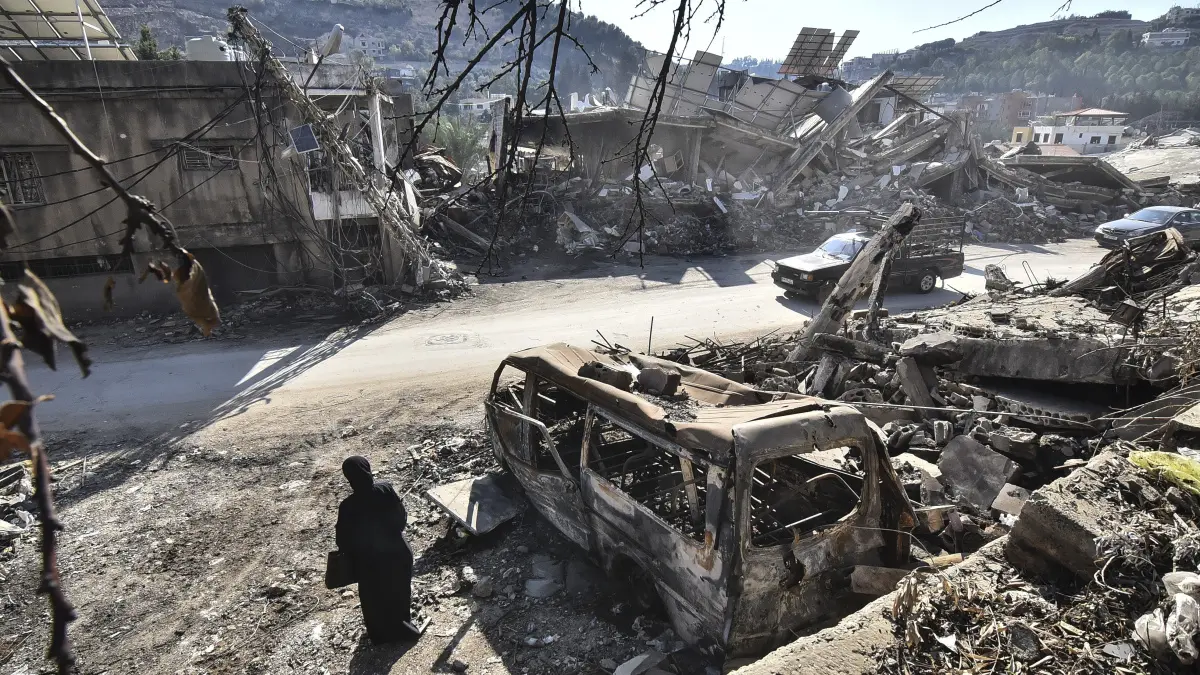
On the ground, the Hezbollah ambulance allegations are already affecting daily life. Medical workers in southern Lebanon report increased चिंता over their safety, while civilians fear that essential services could be disrupted.
Healthcare systems in conflict zones are often fragile, and any threat to their neutrality can have immediate and severe consequences.
Residents have expressed concern that emergency response capabilities may be compromised if tensions continue to rise.
What Comes Next?
The future of the Hezbollah ambulance allegations will depend largely on whether credible evidence emerges. Without verification, international pressure is likely to increase for greater transparency and accountability.
Diplomatic efforts may help de-escalate the situation, but the broader conflict dynamics remain complex and unpredictable.
Observers continue to monitor developments closely, particularly any independent investigations that could clarify the claims.
Key Developments
Hezbollah ambulance allegations remain unverified as Israel has not presented public evidence. Hezbollah denies the claims, while international organizations call for proof and caution. The controversy raises serious humanitarian and legal concerns, particularly regarding medical neutrality and civilian safety. The situation remains tense, with global attention focused on evidence and accountability.