

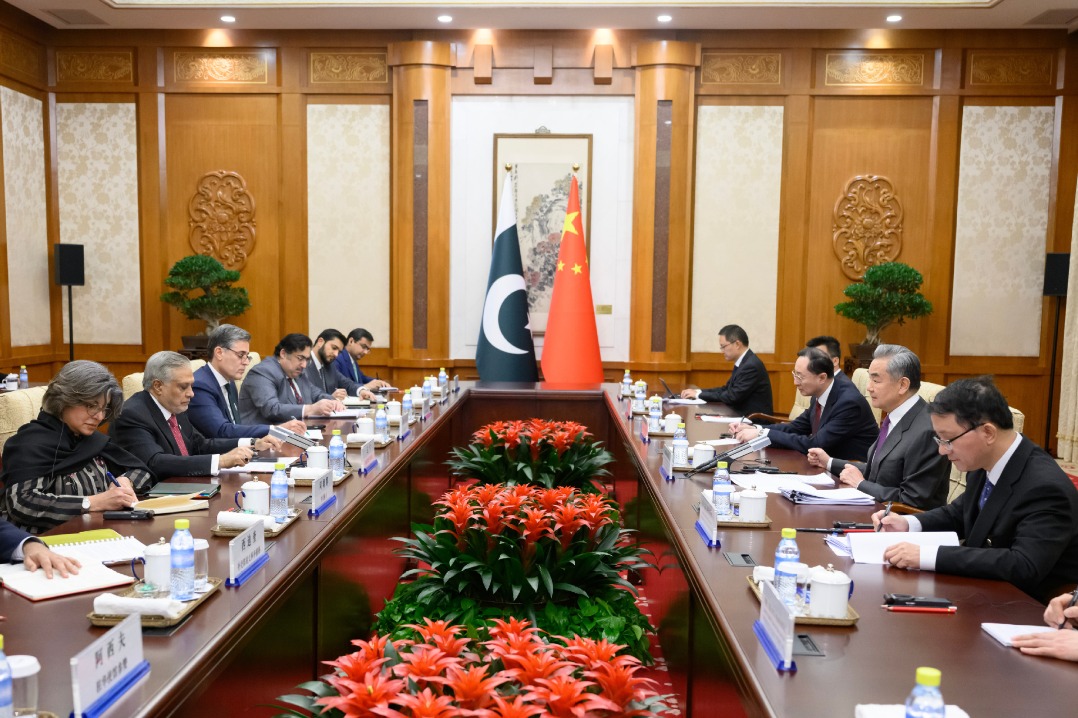
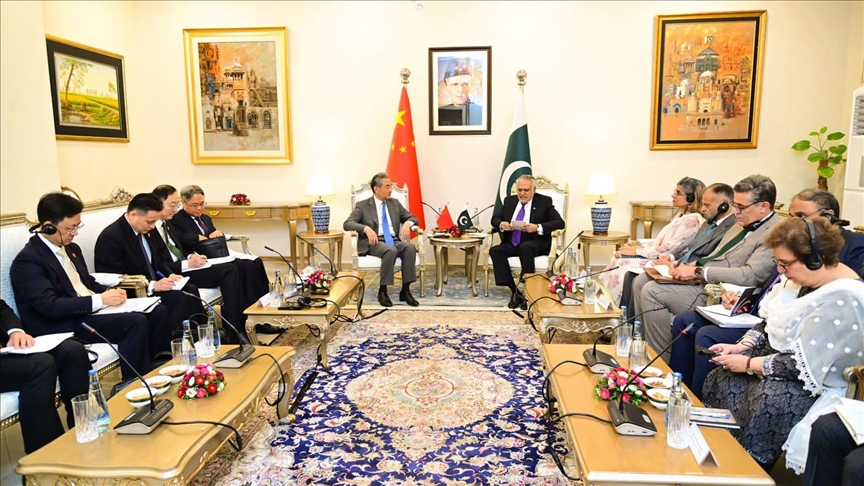
BEIJING / ISLAMABAD, March 30, 2026 (Parliament Politics Magazine) Pakistan China strategic talks have taken center stage as Pakistan’s Foreign Minister arrived in Beijing for high-level discussions aimed at easing tensions between the United States and Iran. The diplomatic push comes at a time of growing concern over potential escalation in the Middle East.
Pakistan’s initiative signals a calculated effort to position itself as a bridge between global powers, working alongside China to encourage dialogue and prevent further instability.
Rising Tensions Prompt Urgent Diplomacy
Global anxiety continues to rise as tensions between Washington and Tehran show little sign of easing. Military posturing, political rhetoric, and economic sanctions have created a fragile environment that could quickly deteriorate.
Amid these developments, Pakistan China strategic talks are being viewed as a timely effort to reduce misunderstandings and open communication channels.
A senior diplomatic official noted:
“Diplomacy remains the only viable path forward. Pakistan’s engagement with China reflects a shared commitment to stability.”
China’s Role in Facilitating Dialogue
China’s involvement adds weight to the ongoing discussions. With strong economic and political ties to both Pakistan and Iran, Beijing is seen as a key player capable of influencing outcomes.
The Pakistan China strategic talks are expected to explore mechanisms for indirect engagement between the United States and Iran, potentially creating a framework for future negotiations.
China has repeatedly emphasized the importance of peaceful resolution, urging all sides to avoid actions that could escalate tensions.
Pakistan’s Strategic Diplomatic Position
Pakistan’s ability to maintain working relationships with multiple global powers places it in a unique diplomatic position. Its ties with China are particularly strong, while its relationship with the United States remains significant.
This balance allows Islamabad to act as an intermediary, especially when direct communication between Washington and Tehran remains limited.
Officials have clarified that the purpose of Pakistan China strategic talks is to facilitate dialogue rather than impose solutions, focusing on reducing risks and encouraging constructive engagement.
Implications for Regional Stability
The broader implications of the current crisis extend beyond bilateral tensions. Countries across the Middle East and South Asia are closely monitoring developments due to potential security and economic impacts.
Energy markets are particularly vulnerable. Any disruption in the region could lead to increased oil prices, affecting global economies and supply chains.
Pakistan China strategic talks are therefore not only a diplomatic effort but also a strategic move to protect economic stability.
Historical Background of the Crisis
The relationship between the United States and Iran has been marked by decades of mistrust and conflict. Efforts to establish lasting dialogue have often been interrupted by political disagreements and shifting priorities.
In recent years, the absence of consistent communication has contributed to recurring crises, highlighting the need for new diplomatic approaches.
Pakistan’s current initiative represents an attempt to reintroduce structured dialogue through multilateral cooperation.
Challenges to Achieving Progress
Despite the optimism surrounding these talks, significant challenges remain. The lack of trust between the United States and Iran continues to hinder meaningful engagement.
Domestic political pressures in both countries may also limit flexibility, making it difficult to reach compromises.
Experts caution that while Pakistan China strategic talks are a positive development, sustained effort and international support will be required to achieve lasting results.
Global Reactions to Pakistan’s Initiative
International reactions to the talks have been cautiously optimistic. Many global leaders see the initiative as a necessary step toward de-escalation.
Diplomatic observers note that even incremental progress can play a crucial role in preventing larger conflicts.
One analyst commented:
“Efforts like these may not deliver immediate results, but they are essential for maintaining global stability.”
Economic Impact of Diplomatic Efforts
The potential economic benefits of successful negotiations are significant. Stabilizing US-Iran relations could ease pressure on global energy markets and reduce economic uncertainty.
For countries like Pakistan, reduced geopolitical tension could lead to improved trade opportunities and economic growth.
Pakistan China strategic talks are therefore being closely monitored not just for their political implications but also for their economic impact.
The Path Forward
While immediate breakthroughs are unlikely, the talks represent an important step in rebuilding communication channels.
Diplomatic experts emphasize the need for patience, continuous engagement, and confidence-building measures.
Pakistan’s collaboration with China could help sustain momentum, particularly if it leads to broader international involvement.
Global Security Implications
The outcome of these discussions could influence global security dynamics. A successful dialogue could reduce tensions across multiple regions, while failure could increase the risk of conflict.
Pakistan’s role highlights the importance of emerging diplomatic players in shaping international relations.
A Critical Diplomatic Effort
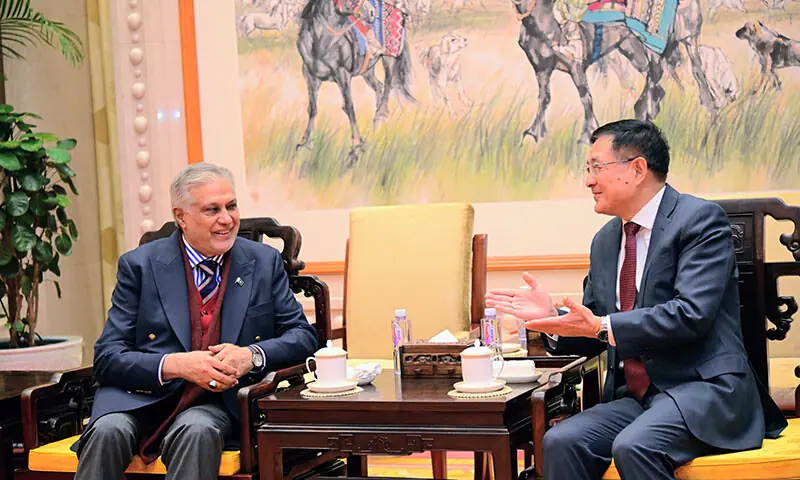
Pakistan’s engagement with China marks a significant development in efforts to address rising tensions between the United States and Iran. The Pakistan China strategic talks represent a strategic attempt to promote dialogue and prevent escalation.
While challenges remain, the initiative offers a pathway toward stability and cooperation.
In summary:
Pakistan China strategic talks could play a pivotal role in shaping future diplomatic efforts and reducing global tensions if supported by sustained international cooperation.
