

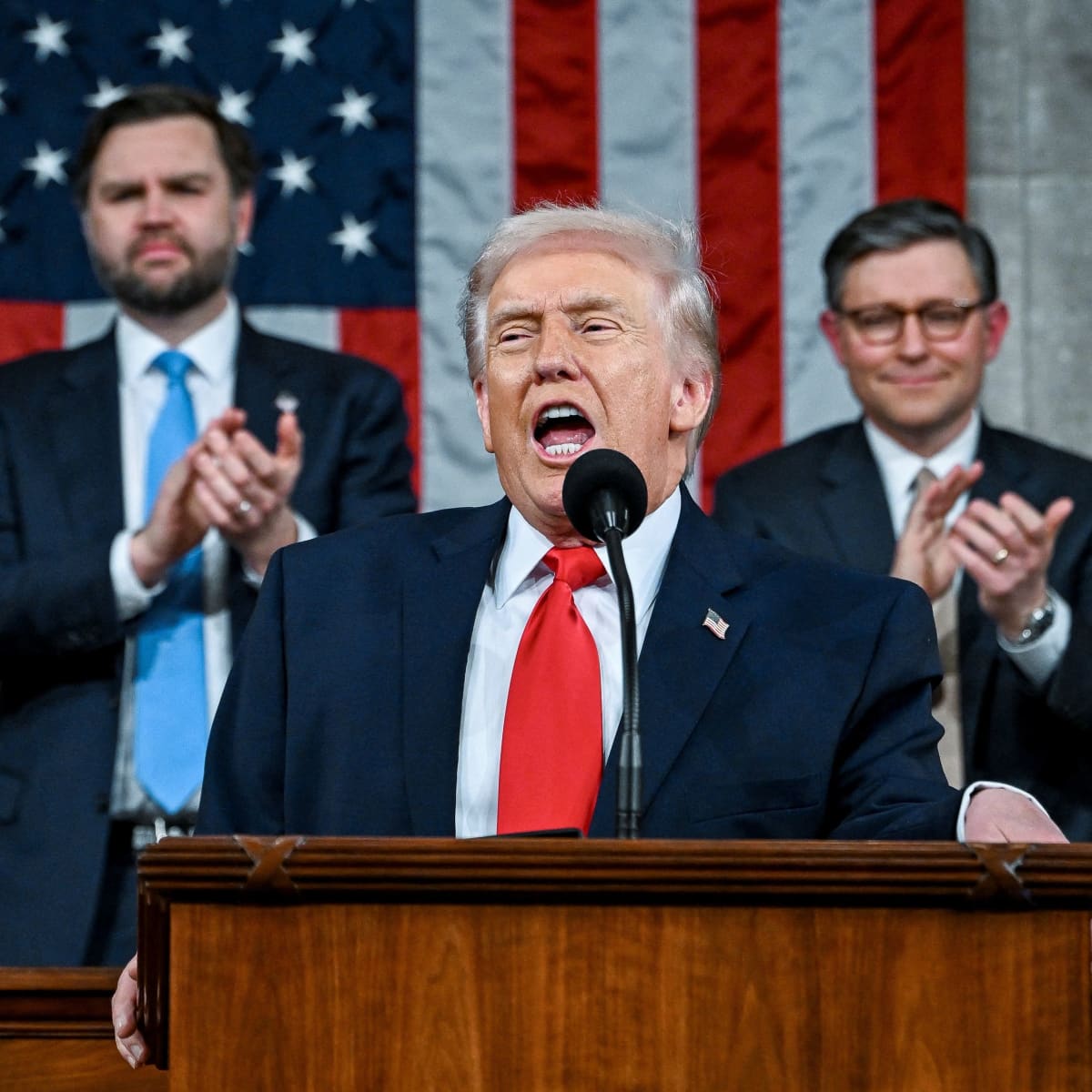
WASHINGTON / ISLAMABAD, March 30, 2026 (Parliament Politics Magazine) Iran war negotiation breakthrough is emerging as a central theme in the escalating Middle East crisis, as renewed diplomatic efforts—led in part by Pakistan—aim to bring the United States and Iran closer to a possible agreement.
Former U.S. President Donald Trump has expressed confidence that a deal could be reached soon, even as military tensions remain high and conflicting signals continue to shape the global response.
Diplomatic Signals Point Toward Breakthrough
The growing narrative around an Iran war negotiation breakthrough reflects a shift from purely military confrontation to renewed diplomatic engagement.
Donald Trump recently indicated that negotiations were progressing, suggesting that a deal could be reached with what he described as a “more reasonable” Iranian leadership.
Despite this optimism, Iranian officials have publicly denied direct negotiations, highlighting the fragile and uncertain nature of the process.
Pakistan Emerges as Key Mediator
One of the most significant developments in the Iran war negotiation breakthrough narrative is the emergence of Pakistan as a potential diplomatic bridge.
Officials in Islamabad have hosted regional discussions involving multiple stakeholders, positioning the country as a neutral ground for talks.
Pakistan’s long-standing ties with both Washington and Tehran have enabled it to step into a mediator role at a critical moment.
A diplomatic insider noted:
“Pakistan is uniquely positioned to facilitate dialogue. The focus now is preventing escalation and securing a framework for peace.”
However, challenges remain, as Iran has at times rejected claims of participation in mediation efforts.
Counterterrorism Official Resignation Raises Stakes
The Iran war negotiation breakthrough narrative is unfolding alongside the resignation of a senior counterterrorism official who opposed U.S. military actions against Iran.
This resignation has intensified scrutiny over the direction of U.S. policy and highlighted internal divisions regarding the balance between military action and diplomacy.
Experts believe the move underscores growing concern that escalation could undermine emerging diplomatic opportunities.
Military Pressure Continues Alongside Talks
Despite signs of an Iran war negotiation breakthrough, military pressure remains a central element of the crisis.
Donald Trump has issued strong warnings, including threats to target key Iranian infrastructure if negotiations fail.
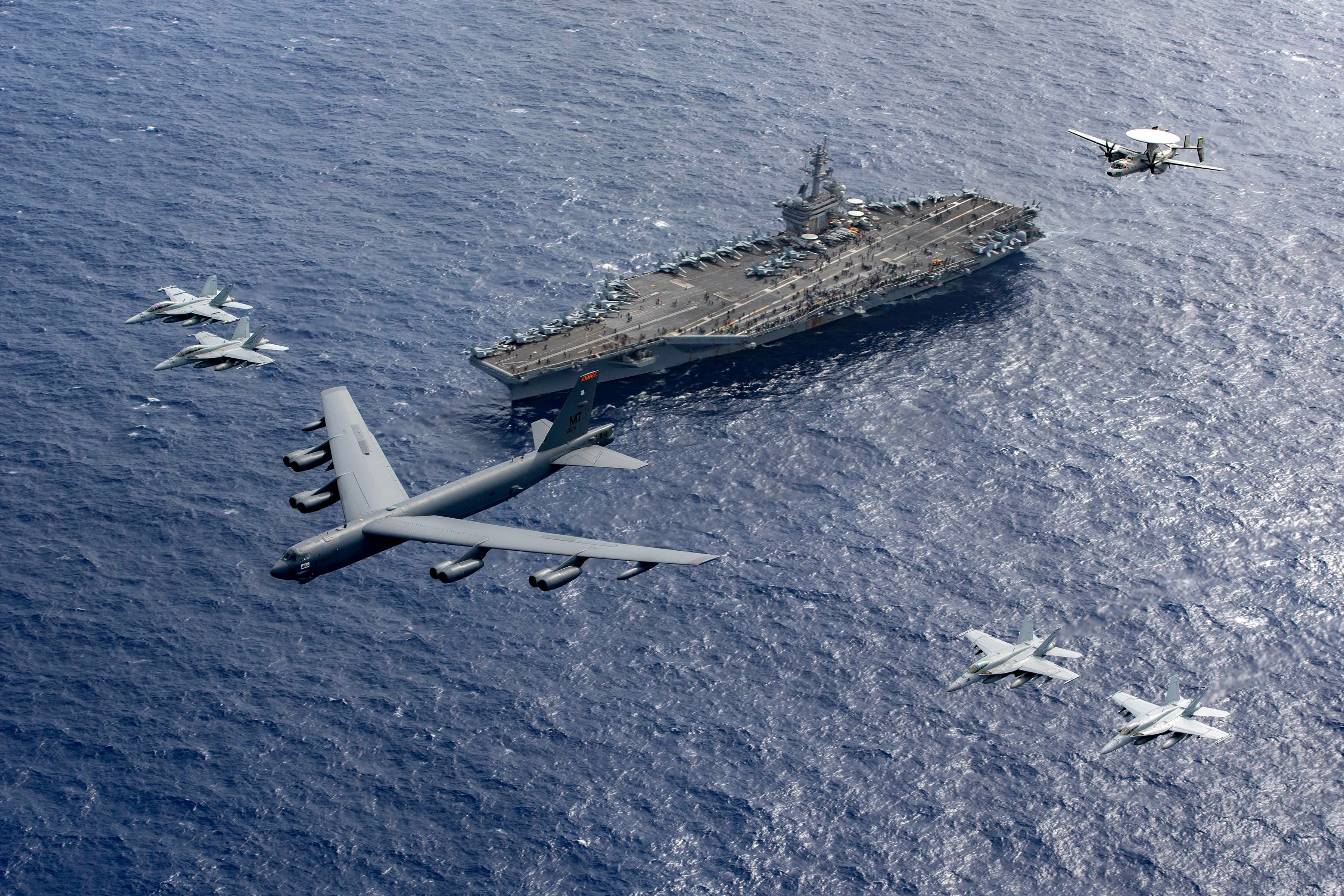
At the same time, additional U.S. forces have been deployed to the region, signaling that diplomatic efforts are being pursued alongside military readiness.
This dual-track strategy—combining negotiation with pressure—has contributed to uncertainty about the likelihood of a lasting agreement.
Iran Pushes Back on Proposed Terms
Iranian officials have expressed skepticism about U.S.-backed proposals, describing them as “unreasonable” and one-sided.
Key sticking points include:
- Nuclear program restrictions
- Ballistic missile limitations
- Sanctions relief conditions
- Control over strategic routes like the Strait of Hormuz
While diplomacy remains possible, analysts warn that significant gaps remain between the two sides.
Economic Impact and Global Market Reaction
The potential for an Iran war negotiation breakthrough has had immediate effects on global markets, particularly energy prices.
Oil markets have experienced volatility as traders respond to both the risk of escalation and the possibility of a diplomatic resolution.
Economic experts note that even incremental progress toward a deal could stabilize markets, while failure could trigger further disruption.
Regional and Global Implications
The outcome of the Iran war negotiation breakthrough efforts could reshape the Middle East security landscape.
Key implications include:
- Reduced risk of a wider regional war
- Stabilization of global energy supplies
- Increased role for regional mediators like Pakistan
- Potential shift in U.S. foreign policy strategy
However, failure to achieve a breakthrough could have the opposite effect, intensifying instability across the region.
Historical Context: Missed Opportunities and Fragile Progress
Diplomatic efforts between the United States and Iran have historically been marked by cycles of progress and setbacks.
Earlier in 2026, negotiators suggested that peace was “within reach” before talks collapsed following military strikes.
This pattern highlights the fragile nature of any potential Iran war negotiation breakthrough.
What Comes Next?
The coming weeks will be critical in determining whether the Iran war negotiation breakthrough evolves into a concrete agreement.
Key developments to watch include:
- Progress in Pakistan-led mediation
- Iran’s response to revised proposals
- U.S. military posture and strategy
- International diplomatic engagement
Experts caution that while optimism exists, the path to peace remains uncertain.
Breakthrough or Temporary Pause?
The Iran war negotiation breakthrough narrative offers a glimpse of hope amid a highly volatile situation. With Pakistan stepping in as a mediator and diplomatic channels reopening, there is potential for progress.
However, ongoing military tensions, deep political divisions, and conflicting narratives suggest that any breakthrough remains fragile.
As global leaders navigate this critical moment, the balance between diplomacy and escalation will determine whether peace can be achieved.
