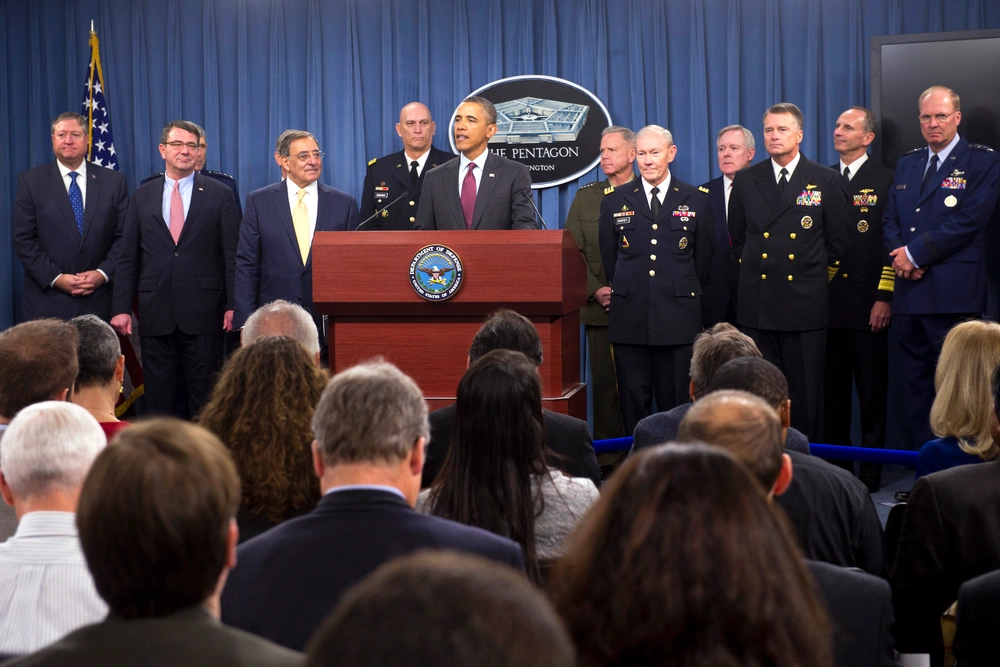
Washington, March 31, 2026 (Parliament Politics Magazine) US defense strategy shift is now at the forefront of global security debates after remarks from Pete Hegseth and the resignation of a senior counterterrorism official protesting escalating tensions with Iran.
The unfolding situation reflects a broader transformation in US military thinking, where unpredictability and flexibility are being increasingly emphasized. Analysts warn that such a shift could significantly alter both regional dynamics in the Middle East and long-standing global security frameworks.
Strategic Shift Toward Unpredictability
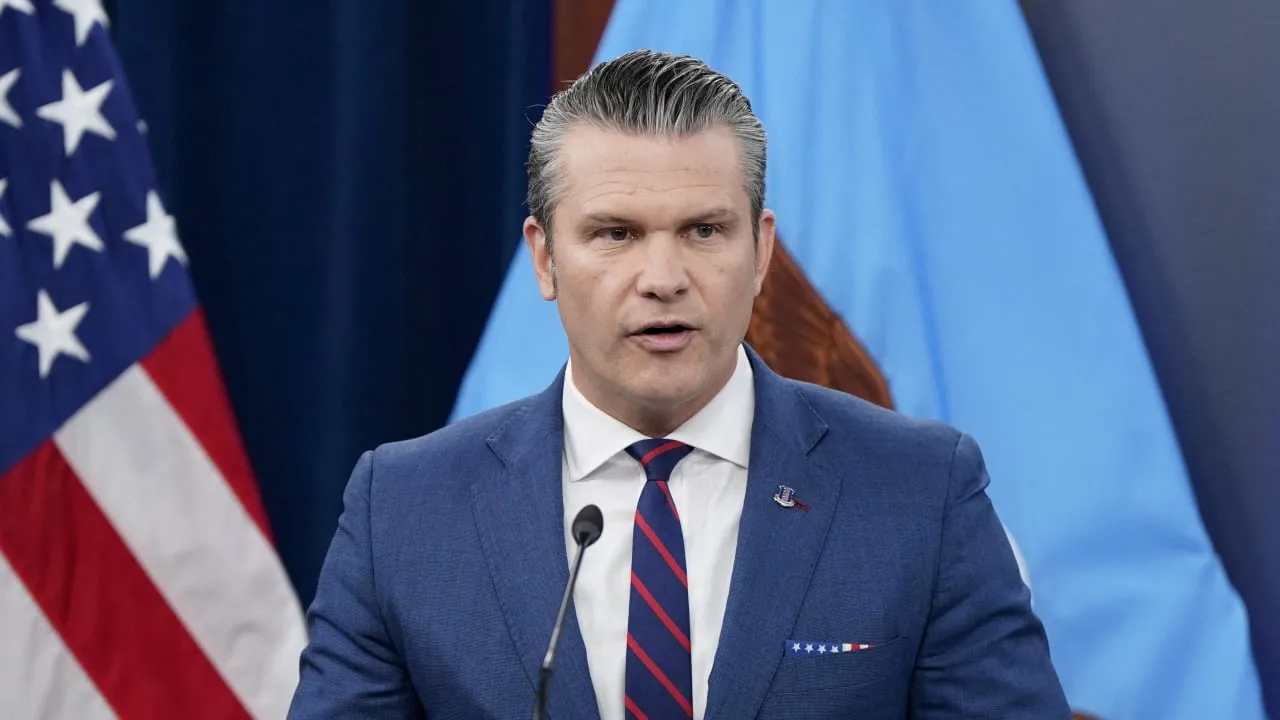
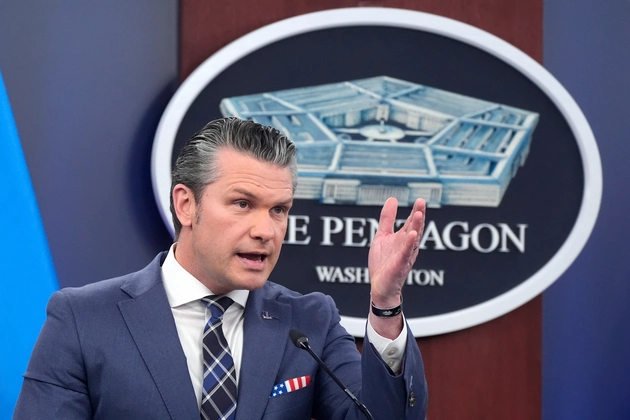
The US defense strategy shift appears to center on adopting unpredictable tactics to maintain a strategic advantage. According to Hegseth, keeping adversaries uncertain can disrupt planning and reduce the effectiveness of opposition forces.
While this approach may offer tactical benefits, it has also sparked concerns among policymakers. Critics argue that unpredictability, when elevated to a central doctrine, can introduce instability and unintended consequences.
A defense expert stated:
“A strategy built on unpredictability may confuse adversaries—but it can also unsettle allies and increase the risk of escalation.”
Resignation Highlights Internal Conflict
The resignation of a top counterterrorism official has amplified attention on the US defense strategy shift, exposing divisions within the national security establishment.
Sources indicate that the official stepped down due to disagreements over:
- Escalation risks with Iran
- Lack of clearly defined military objectives
- Growing emphasis on aggressive operational tactics
This internal divide underscores the complexity of shaping a cohesive national defense strategy amid evolving global threats.
Another analyst noted:
“When senior officials resign over strategy, it signals deeper issues that go beyond policy differences—it reflects fundamental concerns about direction.”
Debate Over ‘Boots on the Ground’
One of the most controversial aspects of the US defense strategy shift is the renewed discussion around deploying ground troops. The phrase “boots on the ground” evokes memories of prolonged conflicts and costly engagements.
Hegseth’s suggestion that the US should remain open to deploying troops has reignited debate.
Supporters argue:
- Ground forces ensure operational control
- They demonstrate strength and deterrence
- They enable rapid intervention in crises
Opponents warn:
- It risks repeating past military entanglements
- It could escalate tensions with Iran directly
- It increases long-term financial and human costs
A former military official commented:
“Introducing troops changes the nature of any conflict—it raises the stakes dramatically.”
Iran Tensions Continue to Escalate
The US defense strategy shift is unfolding against the backdrop of rising tensions with Iran. Ongoing disputes, proxy conflicts, and diplomatic breakdowns have pushed relations to a critical point.
Iran has repeatedly warned against increased US military presence, interpreting it as a direct threat. In response, regional activity linked to Iranian-aligned groups has intensified, raising fears of broader instability.
The added layer of unpredictability in US strategy may further complicate efforts to de-escalate tensions through diplomatic channels.
Global Reactions and Economic Impact
International reactions to the US defense strategy shift have been cautious. Allies have expressed concern about the potential consequences of a less predictable US approach.
European leaders have emphasized the importance of stability and clear communication, warning that abrupt strategic changes could weaken alliances.
Meanwhile, global markets have shown sensitivity to developments, particularly in the energy sector, where instability involving Iran can have immediate ripple effects.
Experts suggest that this shift could lead to:
- Increased risk of miscalculation
- Strained international partnerships
- Volatility in global economic conditions
Strength Through Uncertainty or Strategic Risk?
At the heart of the debate is whether the US defense strategy shift represents strength or instability. Proponents argue that unpredictability enhances deterrence by keeping adversaries off balance.
Critics, however, believe that without clearly defined limits, such a strategy could lead to unintended escalation.
The resignation of a senior official highlights the seriousness of these concerns, suggesting that the issue extends beyond political rhetoric into operational realities.
Future of US Military Doctrine
The US defense strategy shift may signal a broader transformation in military doctrine. Future operations could prioritize flexibility, rapid response, and unconventional tactics.
This evolution would require:
- Advanced intelligence and surveillance systems
- Stronger coordination with international allies
- Clear communication to avoid unintended conflict escalation
It also raises questions about oversight and accountability in an increasingly dynamic and unpredictable security environment.
A Critical Turning Point
The emergence of a US defense strategy shift, combined with internal dissent and rising tensions with Iran, marks a pivotal moment in global security.
While unpredictability may offer short-term tactical advantages, it also introduces long-term risks. The resignation of a top counterterrorism official underscores the depth of concern within the US government itself.
As events continue to unfold, the effectiveness—and consequences—of this strategic shift will likely shape international relations for years to come.
Key Takeaways
US defense strategy shift is reshaping global military policy amid Iran tensions.
A top counterterrorism official has resigned, signaling internal conflict.
Experts warn unpredictability could increase global instability and risk.