

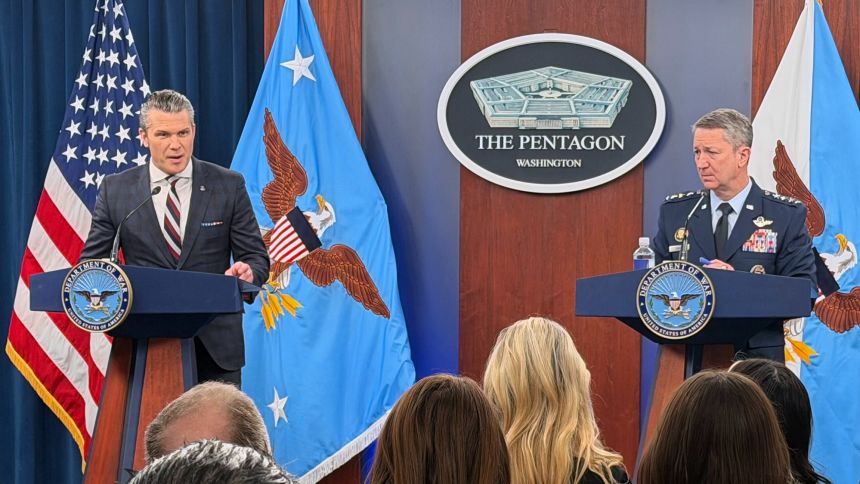
Washington, March 31, 2026 (Parliament Politics Magazine) US France military tensions are intensifying following allegations that France refused airspace access to US warplanes heading toward Israel, a claim made by Donald Trump. The controversy comes alongside the resignation of a senior counterterrorism official who opposed escalating US military actions related to Iran.
The dual developments have raised serious concerns about coordination among Western allies and the broader implications for global security.
Airspace Dispute Sparks Diplomatic Friction
The issue at the center of rising US France military tensions involves access to strategic airspace routes. Trump’s accusation suggests that US aircraft faced restrictions while attempting to support operations linked to Israel.
Airspace permissions are a critical component of modern military logistics. Any denial or delay can disrupt mission timelines and complicate coordination among allied forces.
A defense analyst noted:
“Airspace access is one of the most sensitive aspects of military cooperation. When that breaks down, it often reflects deeper strategic disagreements.”
Resignation Highlights Internal US Divide
At the same time, US France military tensions are unfolding alongside a significant internal development within the United States. A top counterterrorism official has resigned, reportedly in protest of the country’s evolving war strategy toward Iran.
Sources suggest the resignation was driven by concerns over:
- Escalating military posture
- Lack of clearly defined objectives
- Risks of wider regional conflict
The departure underscores growing unease within US leadership about the direction of national security policy.
An intelligence expert commented:
“Resignations at that level rarely happen without serious disagreement. It indicates a fundamental concern about where policy is heading.”
Implications for US-Israel Military Operations
The rise in US France military tensions could directly impact US-Israel coordination. Military operations in the region often depend on access to European and Mediterranean airspace.
Potential consequences include:
- Delays in troop or equipment deployment
- Increased operational complexity
- Higher logistical costs
Experts warn that even minor disruptions can have significant effects during periods of heightened conflict.
France’s Position and Strategic Calculations
France’s role in the unfolding US France military tensions reflects its broader foreign policy approach. As a NATO member, France typically supports allied initiatives but also maintains an independent stance on key geopolitical issues.
If the airspace refusal is confirmed, it may indicate:
- A cautious approach to Middle East escalation
- Preference for diplomatic solutions
- Strategic distancing from certain US actions
A European policy analyst stated:
“France often evaluates risks differently. Decisions like this can be about preventing escalation rather than creating division.”
Rising Middle East Tensions Add Pressure
The backdrop to growing US France military tensions is an increasingly volatile Middle East. Tensions involving Iran, Israel, and US forces have escalated in recent months.
Key developments include:
- Increased activity by Iran-aligned groups
- Heightened alert levels across the region
- Expanded US military presence
These dynamics create a fragile environment where diplomatic missteps can quickly escalate into broader conflict.
Global Reactions and Alliance Concerns
International observers are closely watching the rise in US France military tensions, with concerns about potential fractures within Western alliances.
Possible implications include:
- Strained diplomatic relations between the US and Europe
- Reduced coordination in joint military operations
- Increased uncertainty in global security frameworks
Financial markets have also reacted cautiously, particularly in sectors linked to Middle East stability.
Debate Over US Military Strategy
The situation surrounding US France military tensions is closely tied to broader debates about US military strategy. Increasing emphasis on flexibility and unpredictability has drawn both support and criticism.
Supporters argue:
- It enhances deterrence
- It complicates adversary planning
- It allows rapid response
Critics warn:
- It risks miscommunication with allies
- It increases chances of escalation
- It may weaken long-term partnerships
Future Outlook: Diplomacy or Escalation
The trajectory of US France military tensions will depend on how both countries respond in the coming weeks. Clear communication and diplomatic engagement will be critical in avoiding further escalation.
Key factors to monitor include:
- Official confirmations or denials from France
- Changes in military routing and deployment
- Diplomatic efforts to restore coordination
Experts suggest that resolving the dispute quickly could prevent broader instability.
A Critical Test for Alliances
The rise of US France military tensions, combined with internal US dissent and escalating Middle East conflict, represents a critical test for global alliances.
While the situation remains fluid, it highlights the importance of coordination, communication, and strategic clarity. The resignation of a senior counterterrorism official adds urgency to the debate, signaling that concerns extend beyond international relations into the core of US policy itself.
As events continue to unfold, the outcome will likely shape the future of Western cooperation and global security.
Key Takeaways
US France military tensions rise after airspace dispute involving US warplanes.
A top counterterrorism official resigns over concerns about Iran war strategy.
Experts warn the situation could impact global security and alliance stability.
