

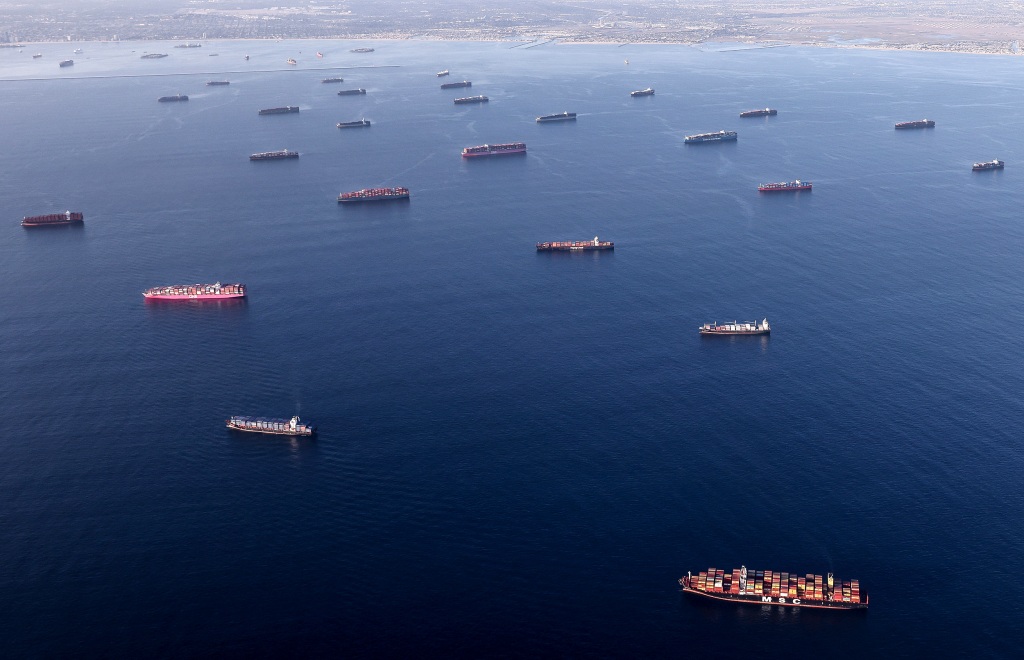
Dubai, UAE, April 1, 2026 (Parliament Politics Magazine) Energy supply disruption remains a dominant concern across global markets even as the Strait of Hormuz reopens to shipping traffic. Analysts warn that the restoration of access to this critical maritime route does not immediately resolve deeper structural and geopolitical challenges affecting oil flows, trade stability, and economic confidence.
The reopening has provided a temporary sense of relief, but industry experts emphasize that the broader impact of the crisis will continue to unfold over the coming months. Supply chains disrupted during the peak of tensions are still in recovery mode, and confidence among traders, insurers, and shipping operators has yet to fully return.
Why the Crisis Is Far From Over
Despite the fact that maritime traffic has resumed, the underlying energy supply disruption continues to shape global markets. Analysts note that reopening a strategic chokepoint does not eliminate the risks that led to the disruption in the first place.
Shipping firms remain cautious, with many vessels still delayed or rerouted. Insurance costs have surged, reflecting ongoing uncertainty in the region. These factors contribute to continued volatility even after the strait becomes operational again.
A senior energy strategist explained:
“The reopening is only a milestone, not a resolution. The effects of the disruption will linger far beyond the immediate event.”
Global Oil Markets Face Continued Volatility
The energy supply disruption has already sent shockwaves through global oil markets, and the reopening of the Strait of Hormuz is unlikely to immediately stabilize prices. Instead, analysts expect continued fluctuations driven by uncertainty and risk perception.
Key developments include:
- Short-term easing of supply constraints
- Persistent price volatility due to geopolitical risks
- Elevated shipping and insurance costs
- Delayed normalization of supply chains
Market participants are closely monitoring developments, but confidence is expected to recover gradually rather than instantly.
Shipping Industry Still Under Pressure
Although shipping routes are reopening, the energy supply disruption continues to impact global logistics. Backlogs created during the crisis have yet to be cleared, and companies are operating cautiously.
Many shipping operators are implementing enhanced security measures, while some are still avoiding high-risk zones altogether. This cautious approach is expected to prolong the recovery timeline.
A maritime logistics expert noted:
“Restoring flow is one thing. Restoring confidence is another—and that takes time.”
Geopolitical Tensions Remain a Key Risk
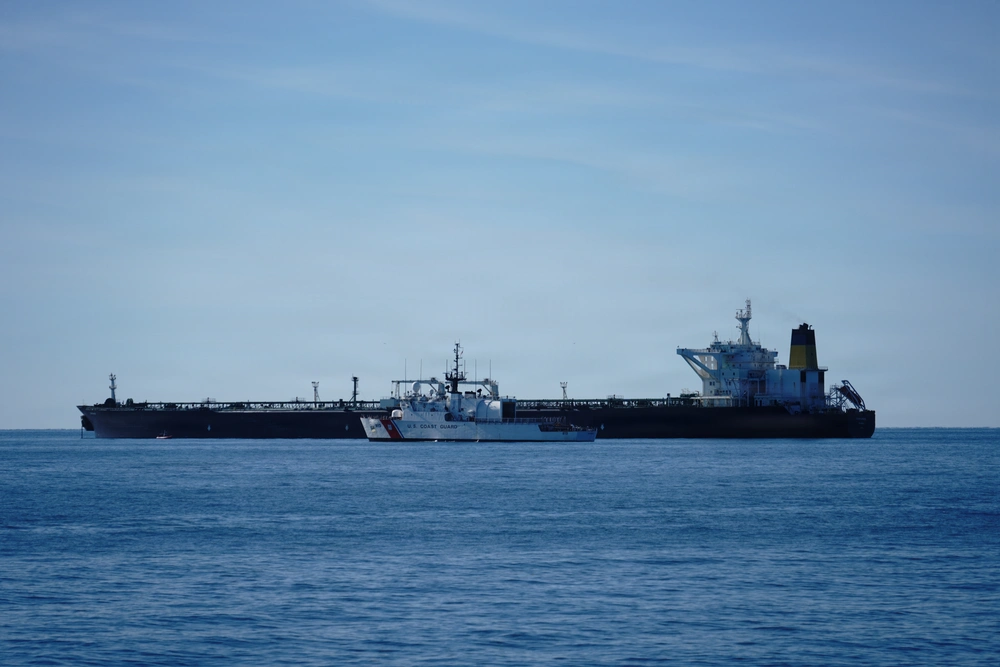
The energy supply disruption is deeply tied to ongoing geopolitical tensions in the Middle East. While access to the Strait of Hormuz has been restored, the broader conflict environment remains unresolved.
Diplomatic efforts are ongoing, but analysts warn that even minor incidents could trigger renewed disruptions. Military activity in the region continues to be closely watched, adding to the uncertainty.
An international policy analyst stated:
“The structural risks have not changed. The region remains highly sensitive to escalation.”
Economic Impact Spreading Globally
The ripple effects of the energy supply disruption extend far beyond the Middle East. Global economies, particularly those dependent on oil imports, are feeling the pressure.
Even as the strait reopens:
- Inflationary pressures persist due to earlier supply shocks
- Businesses face increased operational costs
- Financial markets remain sensitive to geopolitical developments
The delayed recovery in supply chains is expected to influence economic performance in multiple regions.
Energy Security Concerns Intensify
Governments and corporations are increasingly focused on long-term energy security in response to the energy supply disruption. The crisis has highlighted vulnerabilities in global supply networks and dependence on critical chokepoints.
As a result, strategies being explored include:
- Diversification of energy sources
- Investment in alternative supply routes
- Expansion of strategic reserves
- Acceleration of renewable energy initiatives
These measures reflect a broader shift toward resilience in the face of ongoing uncertainty.
Human and Industry Impact
The energy supply disruption has also affected workers and industries connected to shipping, logistics, and energy production. Uncertainty surrounding operations has created challenges for both businesses and employees.
From delayed shipments to increased safety concerns, the human dimension of the crisis remains significant.
A regional economic observer commented:
“Behind every disruption are people whose livelihoods are directly impacted. Recovery is not just economic—it’s human.”
Outlook: Prolonged Recovery Expected
Experts agree that the energy supply disruption will not be resolved quickly. Even with shipping routes reopening, the path to full recovery is expected to take months.
Key factors influencing the outlook include:
- Stability of geopolitical conditions
- Confidence among global markets
- Efficiency in clearing logistical backlogs
- Continued diplomatic engagement
The situation remains fluid, with developments likely to shape global energy dynamics well into the future.
Energy Supply Disruption to Impact Markets for Months
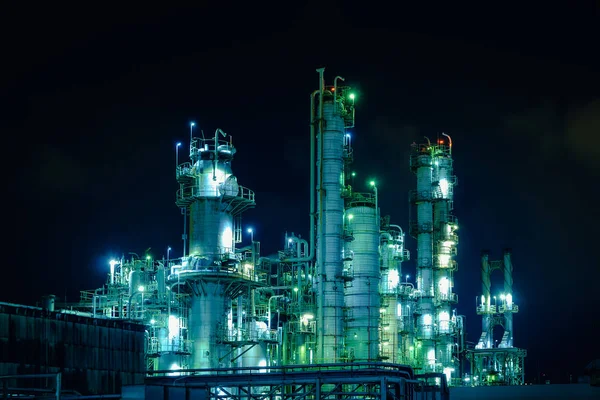
The energy supply disruption continues to define the global economic and geopolitical landscape, even as critical shipping routes reopen. While the return of maritime access marks a significant step forward, analysts caution that the deeper effects of the crisis will persist for months.
From volatile oil markets to ongoing geopolitical risks, the path to stability remains uncertain. As nations and industries adapt, the situation underscores the fragile balance of global energy systems and the lasting impact of disruption in key regions.
