

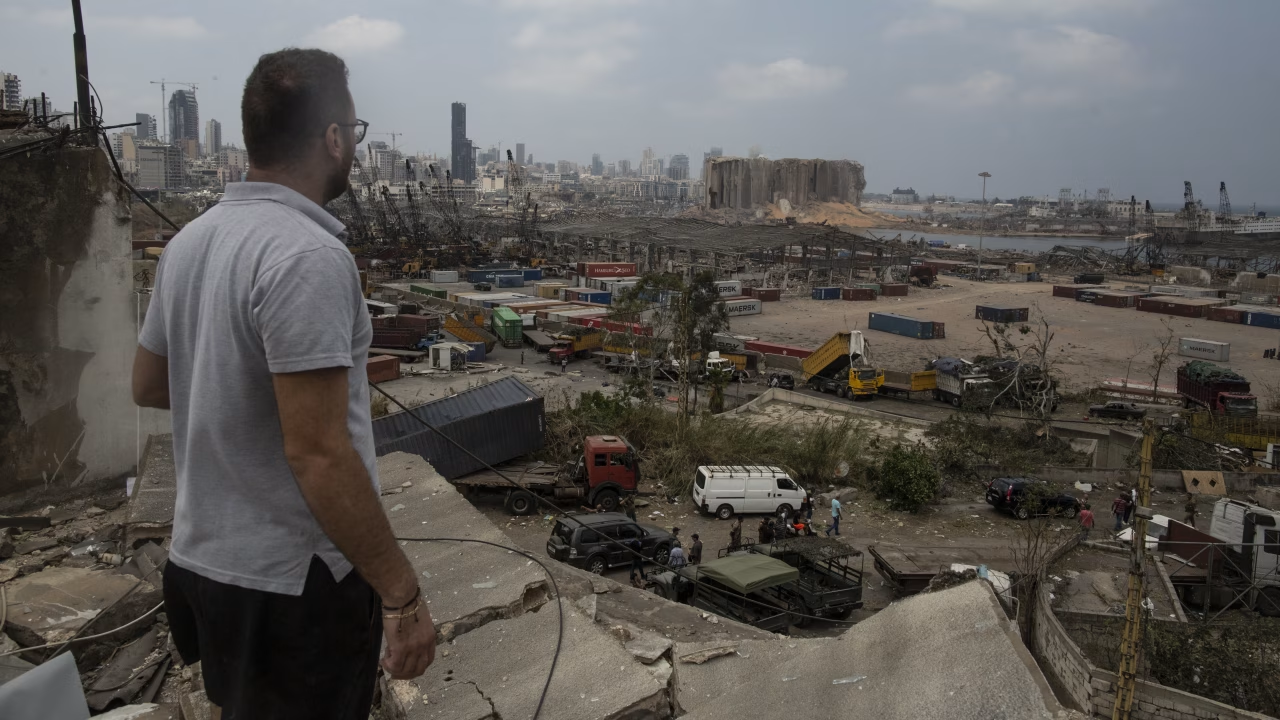
Beirut, Lebanon, April 1, 2026 (Parliament Politics Magazine) Beirut explosion damage has spread across multiple districts of the Lebanese capital following a reported targeted strike, intensifying fears of escalation in an already volatile region. The incident, widely linked to Israeli military operations, caused significant destruction to buildings, infrastructure, and surrounding civilian areas.
Authorities indicate that the strike was aimed at a specific individual or location, but the scale of the blast extended far beyond the intended target. The resulting damage has sparked widespread concern over the risks posed by urban operations in densely populated environments.
Extent of Damage and Immediate Aftermath
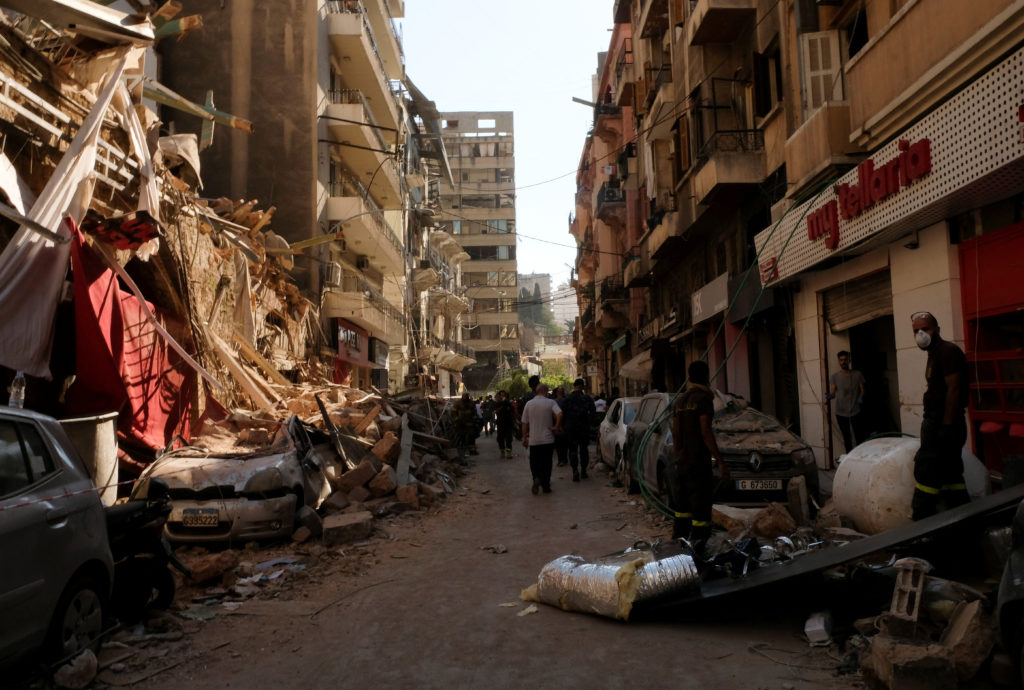
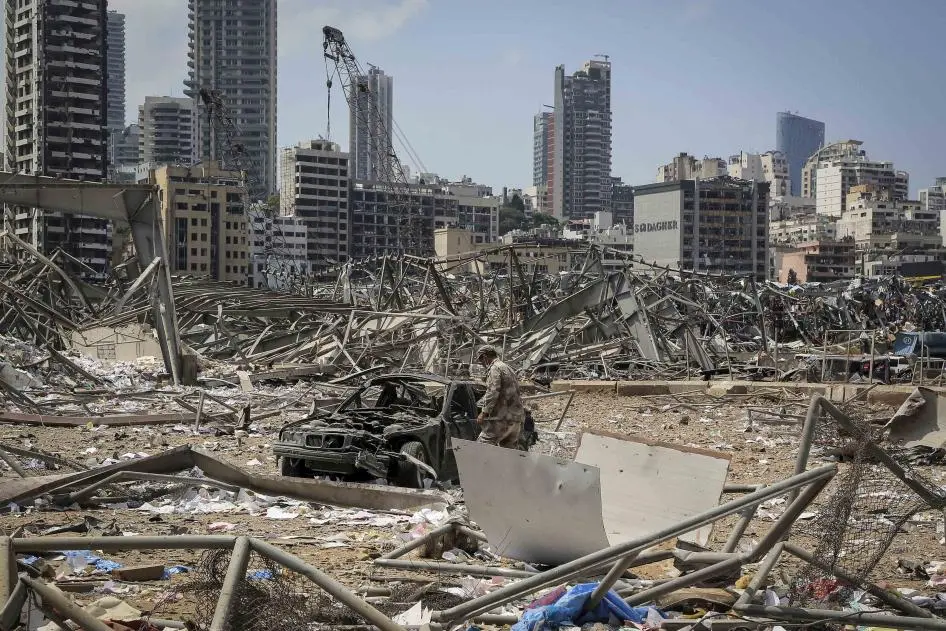
The Beirut explosion damage was immediately visible across a wide radius, with shattered glass, damaged vehicles, and structural impacts reported throughout nearby neighborhoods. Emergency services responded rapidly, working to secure affected areas and assist injured civilians.
Witnesses described scenes of chaos as residents evacuated damaged buildings and emergency responders navigated debris-filled streets. While official casualty figures remain under confirmation, multiple injuries have been reported.
A resident near the site said:
“The explosion hit everything around us. It wasn’t just one building—it affected the entire area.”
Urban Infrastructure Under Pressure
The scale of Beirut explosion damage has raised serious concerns about the vulnerability of civilian infrastructure in conflict scenarios. Analysts note that even highly targeted operations can produce widespread effects when carried out in urban environments.
Reported damage includes:
- Residential apartment complexes
- Commercial storefronts and local businesses
- Public roads and essential utilities
Such destruction can disrupt daily life for thousands of residents, even if the strike itself was narrowly focused.
Regional Tensions Escalate
The Beirut explosion damage comes at a time of heightened geopolitical tension across the Middle East. The strike is expected to further strain relations between Lebanon and Israel, while also drawing attention from global powers monitoring the situation.
Lebanese officials have condemned the incident, emphasizing the impact on civilian areas and calling for international attention. Regional analysts warn that such developments could increase the likelihood of retaliatory actions.
A security expert stated:
“Events like this don’t occur in isolation. They contribute to a cycle of escalation that can quickly expand.”
Civilian Impact and Human Cost
The human consequences of the Beirut explosion damage are becoming increasingly clear. Families have been displaced, businesses disrupted, and communities left dealing with the aftermath of sudden destruction.
Emergency shelters and local aid efforts are being mobilized to support affected residents. The psychological impact of such incidents is also significant, particularly in areas already familiar with conflict.
A humanitarian worker noted:
“The damage goes beyond buildings. It affects lives, stability, and the sense of security for entire communities.”
Strategic and Political Implications
The Beirut explosion damage may carry broader implications for regional security and political dynamics. Targeted operations of this nature are often intended to achieve specific strategic objectives, but they can also shift the balance of tensions in unpredictable ways.
Analysts suggest that:
- The strike could influence future military strategies
- Diplomatic tensions may increase
- International scrutiny of such operations will intensify
The event highlights the challenges of balancing military objectives with the need to minimize civilian harm.
Legal and International Concerns
The Beirut explosion damage is likely to prompt discussions around international humanitarian law and the rules governing armed conflict. Experts emphasize the importance of proportionality and the protection of civilian infrastructure.
Key questions being raised include:
- Was the level of damage proportional to the intended objective?
- Were sufficient precautions taken to minimize civilian impact?
- Could the strike lead to further legal or diplomatic consequences?
These considerations are expected to shape international responses in the coming days.
Risk of Wider Escalation
The Beirut explosion damage adds to growing concerns about a broader regional escalation. Analysts warn that continued incidents of this nature could lead to:
- Retaliatory military actions
- Expanded conflict zones
- Increased instability across neighboring regions
The Middle East remains a highly sensitive geopolitical environment, where individual events can have far-reaching consequences.
Beirut Explosion Damage Impacts Civilian Areas
The Beirut explosion damage has left a significant mark on the Lebanese capital, highlighting the risks associated with targeted strikes in urban environments. While the operation may have been intended for a specific objective, its broader impact has affected civilians, infrastructure, and regional stability.
As tensions continue to rise, the incident underscores the fragile balance in the Middle East and the potential for escalation. The coming days will be critical in determining whether this event remains contained or becomes part of a wider conflict.
