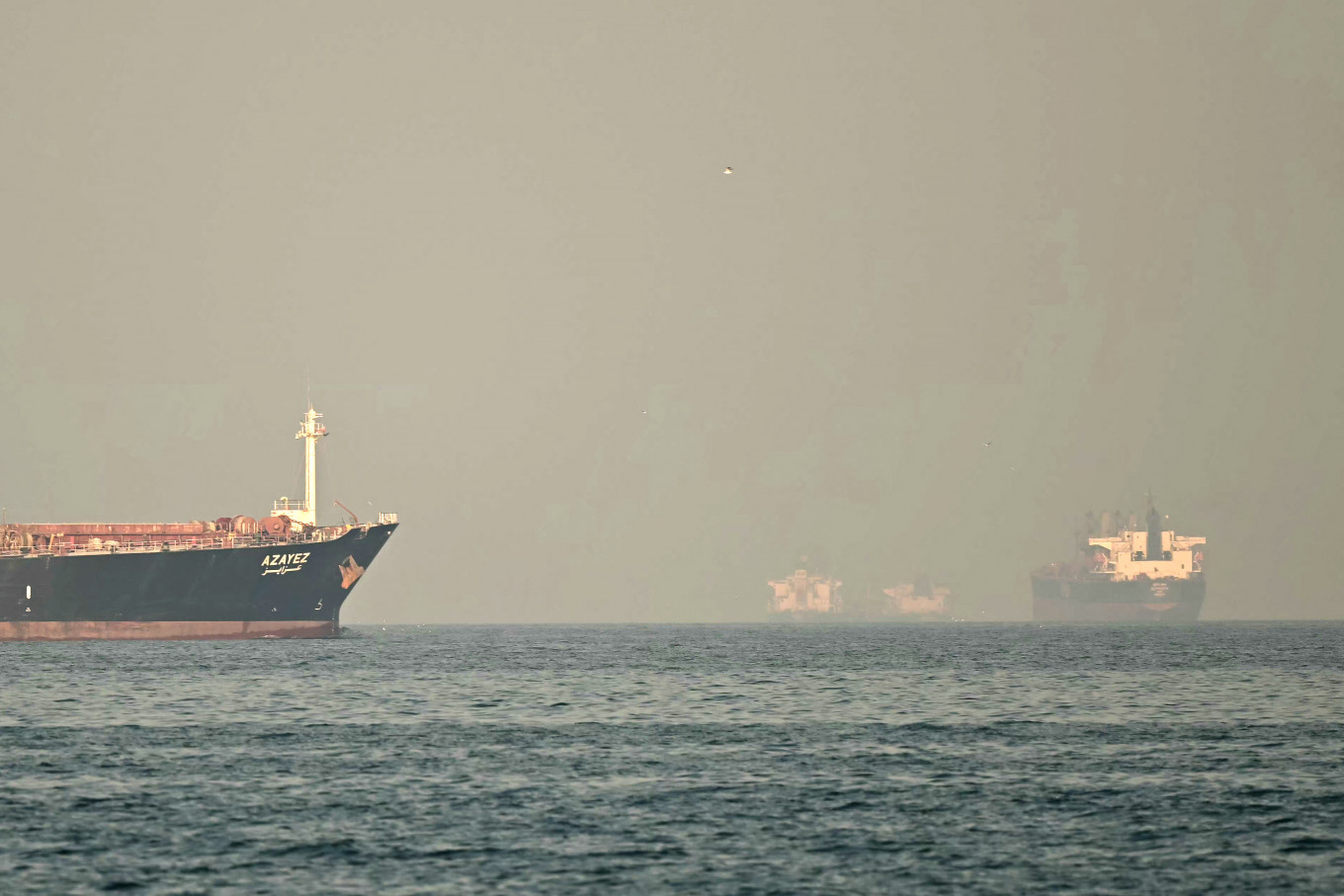
Kuala Lumpur, Malaysia, April 1, 2026 (Parliament Politics Magazine) International shipping dispute has taken center stage after Malaysia declared that its vessels will not pay any toll to pass through the Strait of Hormuz, one of the world’s most critical maritime corridors.
The Malaysian government’s decision reflects growing resistance among global shipping nations against what they view as unauthorized charges in international waters. Officials emphasized that such toll demands undermine long-standing maritime principles and could disrupt the delicate balance of global trade.
A senior official stated,
“This international shipping dispute is about protecting freedom of navigation. No nation should impose arbitrary costs on global trade routes.”
Strategic Importance of the Strait of Hormuz
The Strait of Hormuz is widely recognized as a lifeline for global energy markets, facilitating the transport of a significant portion of the world’s oil supply. Any disruption within this narrow passage can have immediate and far-reaching consequences.
Malaysia’s involvement in this international shipping dispute underscores the broader stakes for countries reliant on uninterrupted energy flows. The nation’s economy, like many others, depends heavily on secure and cost-efficient maritime transit.
Experts warn that tensions surrounding this route could lead to volatility in oil prices and ripple effects across global markets.
Legal Foundations Behind the Dispute
At the heart of the international shipping dispute is the interpretation of maritime law, particularly provisions under the United Nations Convention on the Law of the Sea (UNCLOS).
Malaysia maintains that the Strait of Hormuz qualifies as an international waterway, granting vessels the right to transit freely without additional fees. Imposing tolls, officials argue, would violate these established legal frameworks.
Legal analysts caution that allowing such charges could set a precedent, potentially leading to similar disputes in other strategic waterways around the world.
Global Oil Supply Routes Under Pressure
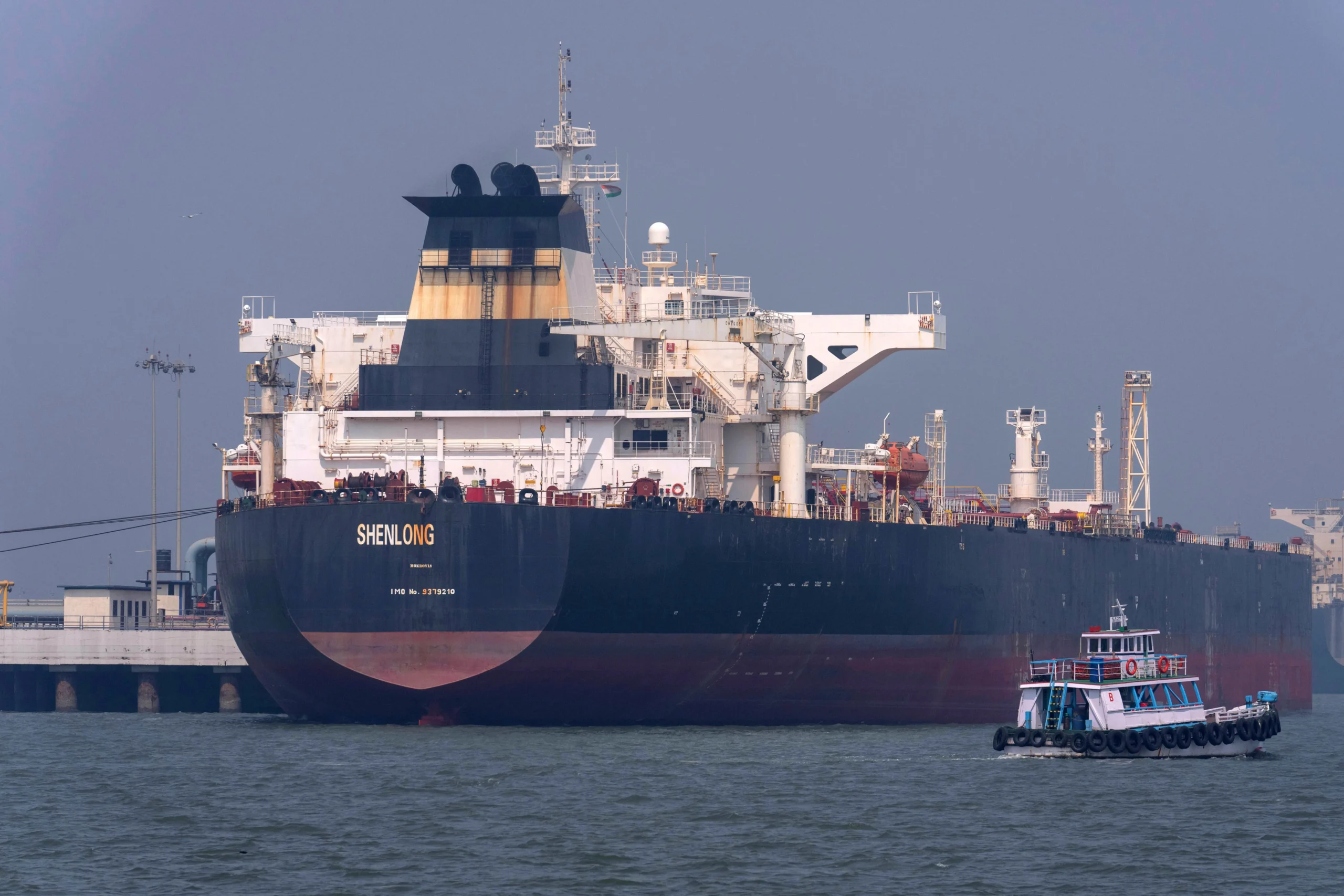
The international shipping dispute has intensified concerns about the stability of global oil supply routes. Shipping companies are closely monitoring the situation, aware that any escalation could disrupt operations.
While alternative routes exist, they are often longer and more expensive, making the Strait of Hormuz an irreplaceable passage for many vessels.
Market observers note that uncertainty in this region can lead to increased shipping costs, higher insurance premiums, and broader economic consequences.
Economic Stakes for Malaysia
Malaysia’s refusal to comply with toll demands reflects both economic and strategic considerations. Paying such fees could increase operational costs for Malaysian shipping companies, ultimately affecting trade competitiveness.
By taking a firm stance in this international shipping dispute, Malaysia aims to safeguard its economic interests while reinforcing international maritime norms.
However, the move is not without risk. Escalating tensions could lead to delays or complications for Malaysian vessels navigating the region.
A trade analyst remarked,
“Malaysia is making a calculated decision. This international shipping dispute could either reinforce global norms or trigger broader economic challenges.”
Diplomatic Reactions and Global Response
The international community has responded cautiously to the unfolding international shipping dispute. Several nations have expressed support for maintaining open and toll-free access to critical shipping lanes, while others have called for diplomatic engagement.
Multilateral discussions are reportedly underway to address the issue and prevent escalation. International organizations are urging all parties to adhere to established maritime laws and seek peaceful resolutions.
The situation highlights the increasing complexity of global trade governance, where legal, economic, and geopolitical factors intersect.
Security Concerns in a Sensitive Region
The Strait of Hormuz has long been a focal point for geopolitical tensions, with significant military presence from multiple countries.
This international shipping dispute adds another layer of complexity, potentially increasing the risk of confrontations or misunderstandings. Maritime security experts warn that heightened tensions could lead to incidents involving commercial vessels.
Ensuring the safety of shipping routes remains a top priority for global stakeholders.
Impact on the Shipping Industry
The international shipping dispute is already influencing the global shipping industry. Companies are reassessing risk exposure, adjusting insurance coverage, and exploring contingency plans.
Increased uncertainty can drive up costs, which may ultimately be passed on to consumers. The broader economic impact could be significant, particularly if the dispute escalates.
Industry leaders are calling for swift resolution to maintain stability in global supply chains.
Historical Context of Maritime Disputes
Disputes over strategic waterways are not new, but each case brings unique challenges and implications. The current international shipping dispute reflects evolving dynamics in global trade and maritime governance.
Malaysia’s stance adds a fresh perspective to longstanding debates about sovereignty, access, and the regulation of international waters.
Future Outlook: Navigating Uncertainty
The trajectory of this international shipping dispute will depend largely on diplomatic efforts and the willingness of stakeholders to engage in constructive dialogue.
Malaysia’s firm position signals a broader pushback against perceived overreach in maritime governance. However, the outcome remains uncertain, with potential implications for global trade and energy markets.
Experts emphasize the importance of maintaining open communication and adhering to international legal standards.
A Dangerous Precedent for Global Shipping,” Experts Caution
“This international shipping dispute could redefine how global trade routes are governed for decades,” said a maritime policy expert.
A Critical Moment for Global Trade
The international shipping dispute involving Malaysia and the Strait of Hormuz represents a pivotal moment in global maritime policy.
As nations navigate the complexities of trade, security, and legal frameworks, the outcome of this dispute could have lasting implications. The world is watching closely as events unfold in one of the most strategically important waterways on the planet.
What This Shipping Dispute Means Globally
International shipping dispute grows as Malaysia rejects Hormuz toll payments.
The move raises concerns over global oil routes and maritime law enforcement.
Future developments could reshape international trade and shipping regulations.