Tehran, April 1, 2026 (Parliament Politics Magazine) Iran diplomacy crisis concerns are intensifying after Iranian Foreign Minister Abbas Araghchi confirmed ongoing contact with the United States while warning that the situation could escalate toward a potential ground invasion.
Araghchi clarified that communication exists but does not amount to formal negotiations, describing the exchanges as indirect and limited. His remarks come at a time when military tensions are rapidly increasing across the Middle East, raising fears that diplomacy may be losing ground to conflict.
“There are contacts, but this is not negotiation,”
Araghchi said, emphasizing that Iran seeks a comprehensive end to the war rather than temporary solutions.
Iran Diplomacy Crisis Highlights Fragile Communication Channels
The Iran diplomacy crisis reflects a complicated reality where communication and confrontation coexist. While messages have been exchanged between Tehran and Washington, officials stress that no structured talks are currently underway.
According to recent developments, Iran has received proposals from the United States but has rejected them as one-sided, signaling deep disagreements on key issues.
Despite this, both sides appear to maintain limited contact, likely to prevent miscalculations that could trigger broader conflict.
Analysts believe this indirect engagement is being facilitated through intermediaries, including regional powers attempting to stabilize the situation.
Ground Invasion Fears Grow Amid Military Buildup
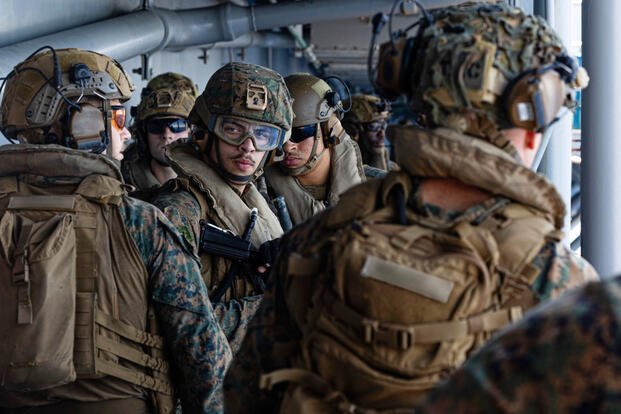
One of the most alarming aspects of the Iran diplomacy crisis is the increasing concern over a possible ground invasion. While no official announcement has been made, military activity suggests that contingency planning is underway.
Key indicators include:
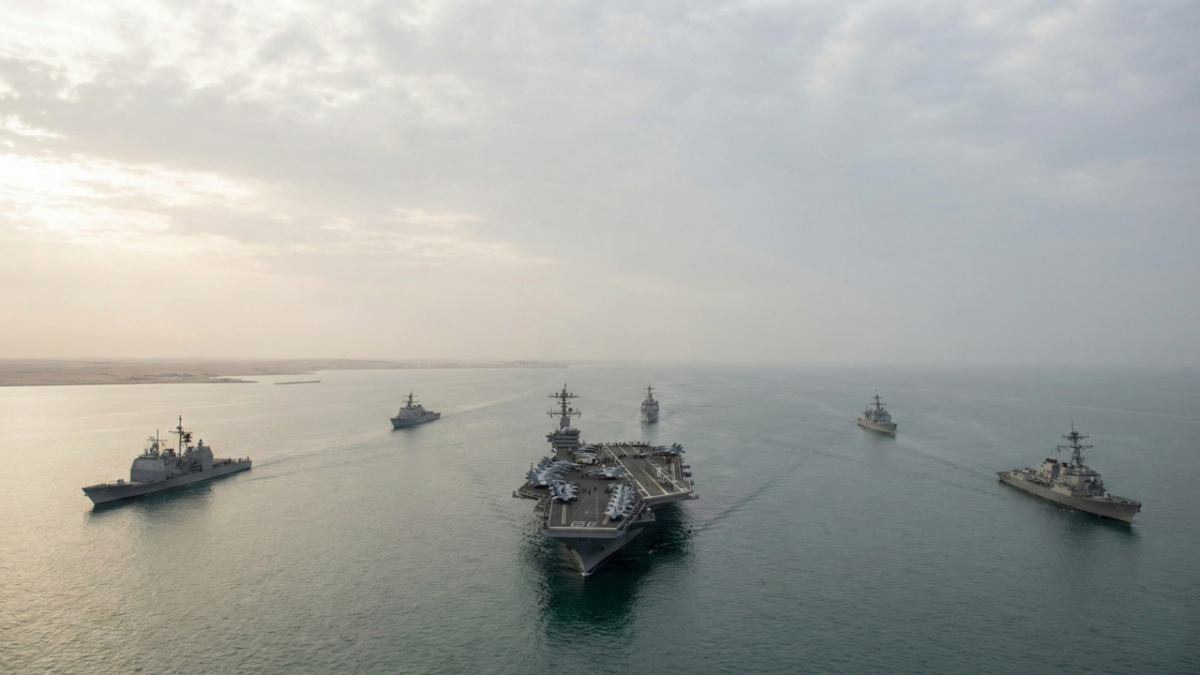
- Expansion of US military presence in the region
- Strategic positioning near Iranian territory
- Increased reconnaissance and surveillance operations
- Rising regional conflict involving allied groups
Experts warn that a ground invasion would represent a dramatic escalation beyond airstrikes and proxy engagements.
“If this turns into a ground conflict, the consequences would be unprecedented for the region,”
a security analyst noted.
Conflicting Signals: Diplomacy vs Escalation
The Iran diplomacy crisis is defined by conflicting signals. On one hand, communication channels remain open. On the other, military operations continue to intensify.
Recent reports indicate that Iran has exchanged messages with US officials but firmly denies entering negotiations.
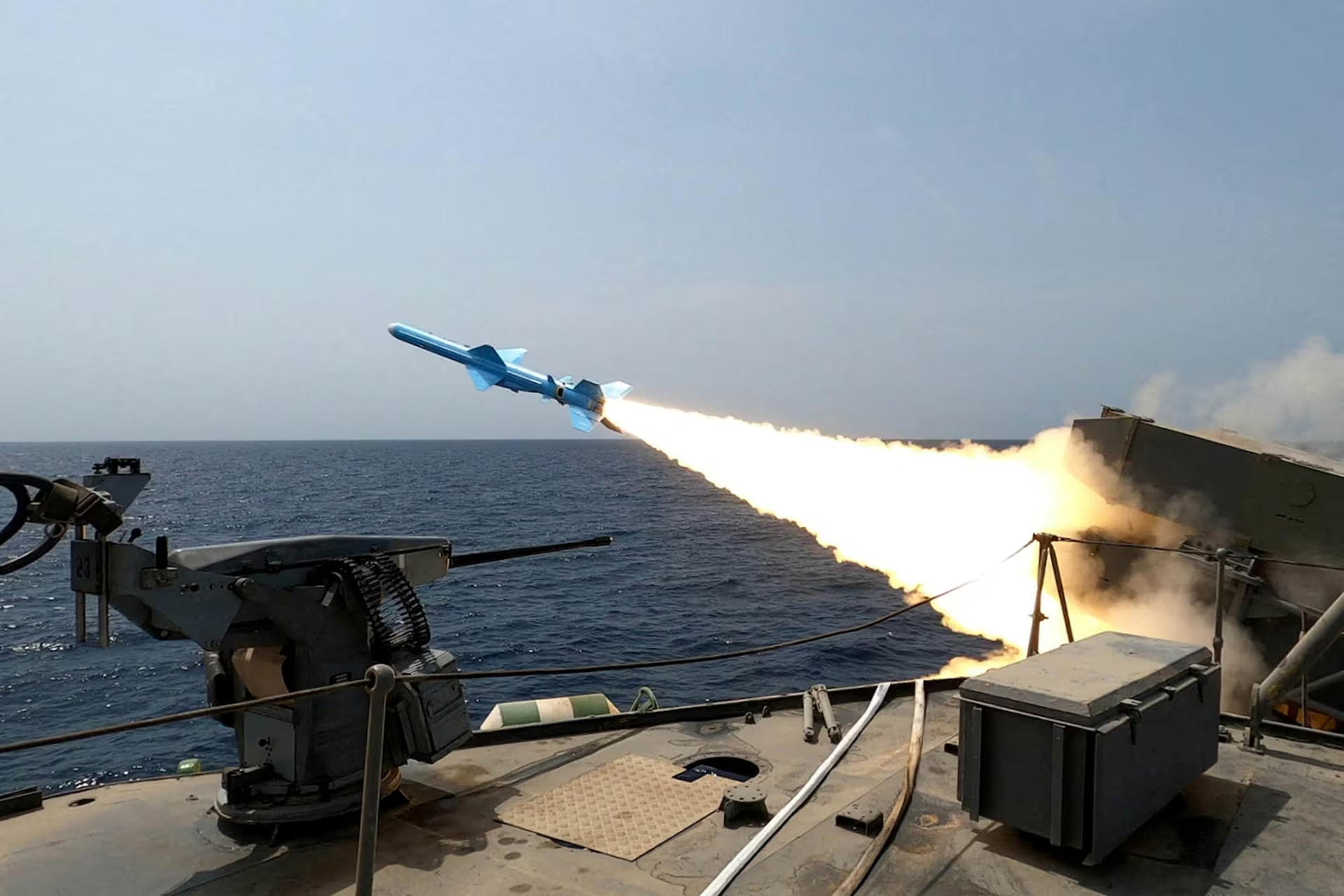
At the same time, both nations are increasing their military readiness, suggesting that diplomacy alone may not be sufficient to prevent escalation.
This dual-track approach—engagement combined with pressure—has created uncertainty across global markets and political circles.
Regional and Global Reactions to Iran Diplomacy Crisis
Countries across the Middle East and beyond are closely monitoring the Iran diplomacy crisis. Many governments have urged restraint, warning that further escalation could destabilize the entire region.
Key concerns include:
- Disruption of global oil supply routes
- Expansion of conflict into neighboring countries
- Humanitarian crises and displacement
- Economic shocks affecting global markets
Recent developments, including attacks and rising oil prices, highlight the global impact of the ongoing tensions.
International efforts to mediate the crisis are ongoing, with several countries attempting to bring both sides back to the negotiating table.
Strategic Importance of Continued Contact
Despite the challenges, continued contact between Iran and the United States may play a critical role in preventing a full-scale war.
Historically, even limited communication has helped reduce the risk of unintended escalation. In the current Iran diplomacy crisis, these channels could provide a pathway toward de-escalation.
However, the absence of formal negotiations limits the potential for meaningful progress, leaving the situation highly unpredictable.
Historical Context Behind the Crisis
The Iran diplomacy crisis is rooted in decades of tension between Tehran and Washington. Disputes over nuclear programs, regional influence, and military actions have long defined the relationship.
Recent escalations, including military strikes and retaliatory actions, have further strained relations.
While past diplomatic efforts have occasionally led to temporary agreements, lasting solutions have remained elusive.
What Lies Ahead in the Iran Diplomacy Crisis
The future of the Iran diplomacy crisis will depend on several critical factors:
- Whether informal contact evolves into formal negotiations
- Changes in military strategy by either side
- Influence of regional mediators
- Domestic political pressures within both countries
Experts agree that the situation remains highly fluid, with the potential for rapid changes in direction.
“We are at a tipping point where diplomacy could either succeed or completely collapse,”
a geopolitical analyst stated.
A Critical Moment for Global Stability
The Iran diplomacy crisis represents one of the most dangerous geopolitical situations in recent years. While limited communication between Iran and the United States offers a glimmer of hope, the growing risk of a ground invasion underscores the seriousness of the threat.
The balance between diplomacy and military action remains fragile. Any misstep could lead to a broader conflict with far-reaching consequences.
In summary, the Iran diplomacy crisis is a defining moment in 2026 geopolitics—where dialogue continues, but the shadow of war looms larger each day.