

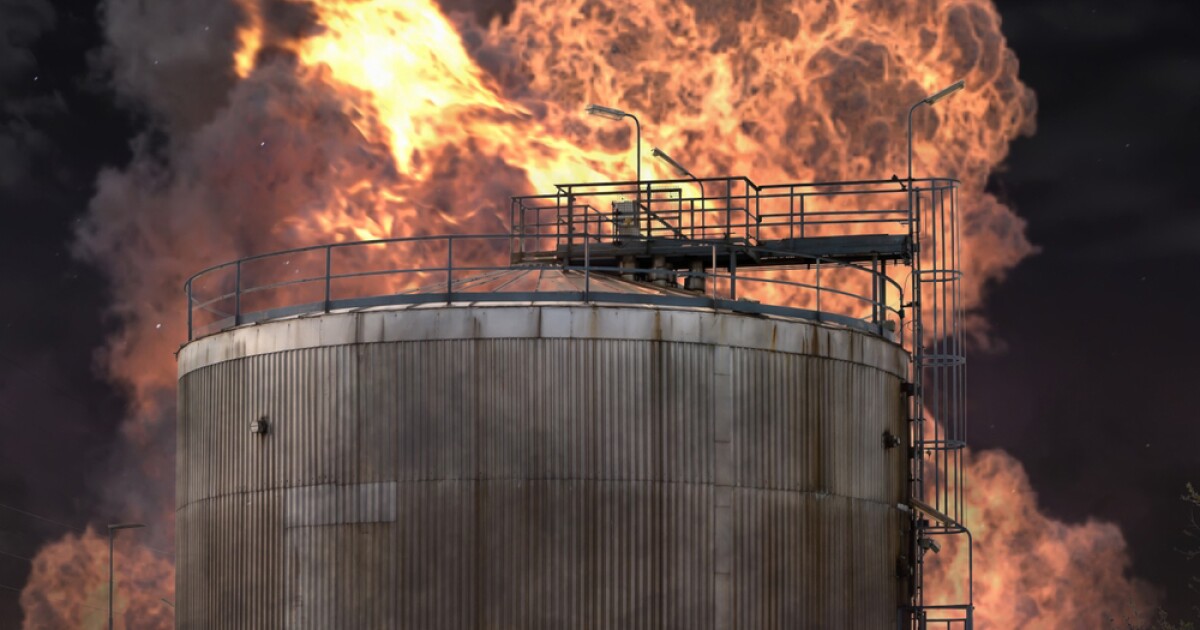
Moscow, April 1, 2026 (Parliament Politics Magazine) Fuel shortage warning is rapidly gaining global attention as Russia imposes a sweeping ban on gasoline exports in response to escalating tensions tied to the Iran war. The move has sparked immediate concerns across international energy markets, with experts warning of supply disruptions and rising fuel costs.
The phrase fuel shortage warning is now central to global economic discussions, as governments and industries prepare for potential shortages fueled by geopolitical instability.
Why Russia Imposed the Ban
The decision to halt exports reflects growing domestic and international pressure on energy supplies. Officials stated that the move aims to stabilize internal fuel availability while insulating the country from global volatility triggered by the Iran war.
Energy analysts say the fuel shortage warning is directly linked to tightening supply conditions and rising demand, both of which have been amplified by ongoing conflict in key oil-producing regions.
A market strategist stated:
“This fuel shortage warning is not hypothetical—it reflects real pressure on supply chains driven by geopolitical conflict.”
Immediate Global Market Reaction
The fuel shortage warning has already translated into higher fuel prices across several regions. Traders reacted quickly to the export ban, pushing up the cost of gasoline and related products.
Markets in Europe and Asia experienced sharp fluctuations, with some countries beginning to assess emergency measures to secure supply.
As the fuel shortage warning spreads, concerns over inflation and economic slowdown are growing.
Iran War Driving Energy Uncertainty
The broader Iran war plays a central role in the current crisis. Disruptions to shipping routes, combined with rising tensions in the Middle East, have increased uncertainty in global energy markets.
Experts say the fuel shortage warning reflects deeper structural risks tied to the conflict, including potential disruptions to critical النفط supply corridors.
A geopolitical analyst noted:
“The Iran war is amplifying the fuel shortage warning, creating a ripple effect across global energy systems.”
Domestic Stability vs Global Impact
Russia’s move aims to protect its domestic market, but the global consequences are significant. By reducing exports, the country is contributing to tighter global supply, reinforcing the fuel shortage warning across multiple regions.
While domestic consumers may benefit from stabilized prices, international markets are likely to experience increased volatility.
Supply Chains Under Pressure
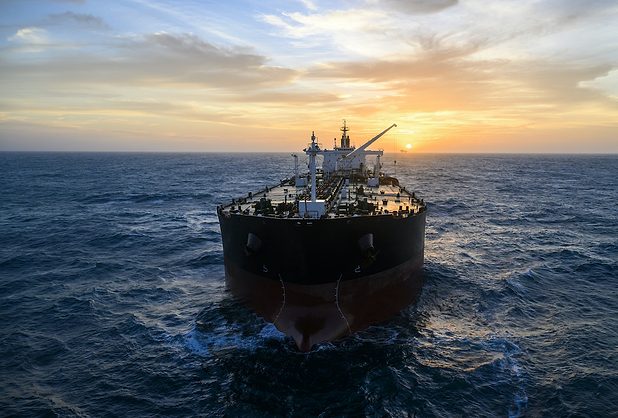
The fuel shortage warning is also affecting global logistics networks. Fuel is a critical component of transportation, and any disruption can impact multiple sectors.
Shipping, aviation, and manufacturing industries are already preparing for higher costs and potential delays.
Businesses are being forced to adjust operations in response to the evolving situation.
Potential for Extended Crisis
One of the biggest concerns surrounding the fuel shortage warning is the uncertainty regarding how long the export ban will remain in place.
If geopolitical tensions persist, the restrictions could extend, deepening the global energy crisis.
Analysts warn that prolonged disruption could lead to structural changes in global energy markets.
Economic Ripple Effects Worldwide
The fuel shortage warning is expected to drive inflation, increase production costs, and strain economies already dealing with uncertainty.
Higher fuel prices often translate into higher costs for goods and services, affecting consumers globally.
Central banks and policymakers are closely monitoring the situation as they assess potential economic responses.
Geopolitical Implications Grow
The fuel shortage warning also underscores the strategic role of energy in global politics. Russia’s decision highlights how energy exports can be used as leverage during times of conflict.
This dynamic is particularly significant in the context of the Iran war, where multiple global powers are involved.
A policy expert stated:
“Energy decisions like this fuel shortage warning can reshape geopolitical relationships and influence global stability.”
What Happens Next?
The trajectory of the fuel shortage warning will depend on several key factors:
- Duration of Russia’s export ban
- Developments in the Iran war
- Responses from global energy producers
- Market adaptation to supply disruptions
The situation remains fluid, with new developments likely to influence global markets in the coming days.
Key Developments and What It Means
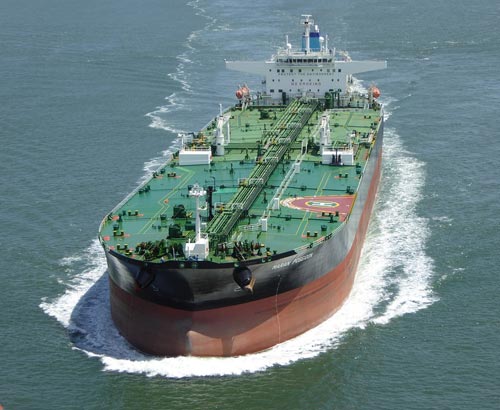
Fuel shortage warning is intensifying as Russia halts gasoline exports, raising concerns about global supply and rising prices.
The Iran war is amplifying uncertainty, pushing markets toward volatility and increasing economic risks.
Experts caution that without stabilization, the fuel shortage warning could evolve into a prolonged global energy crisis.
