

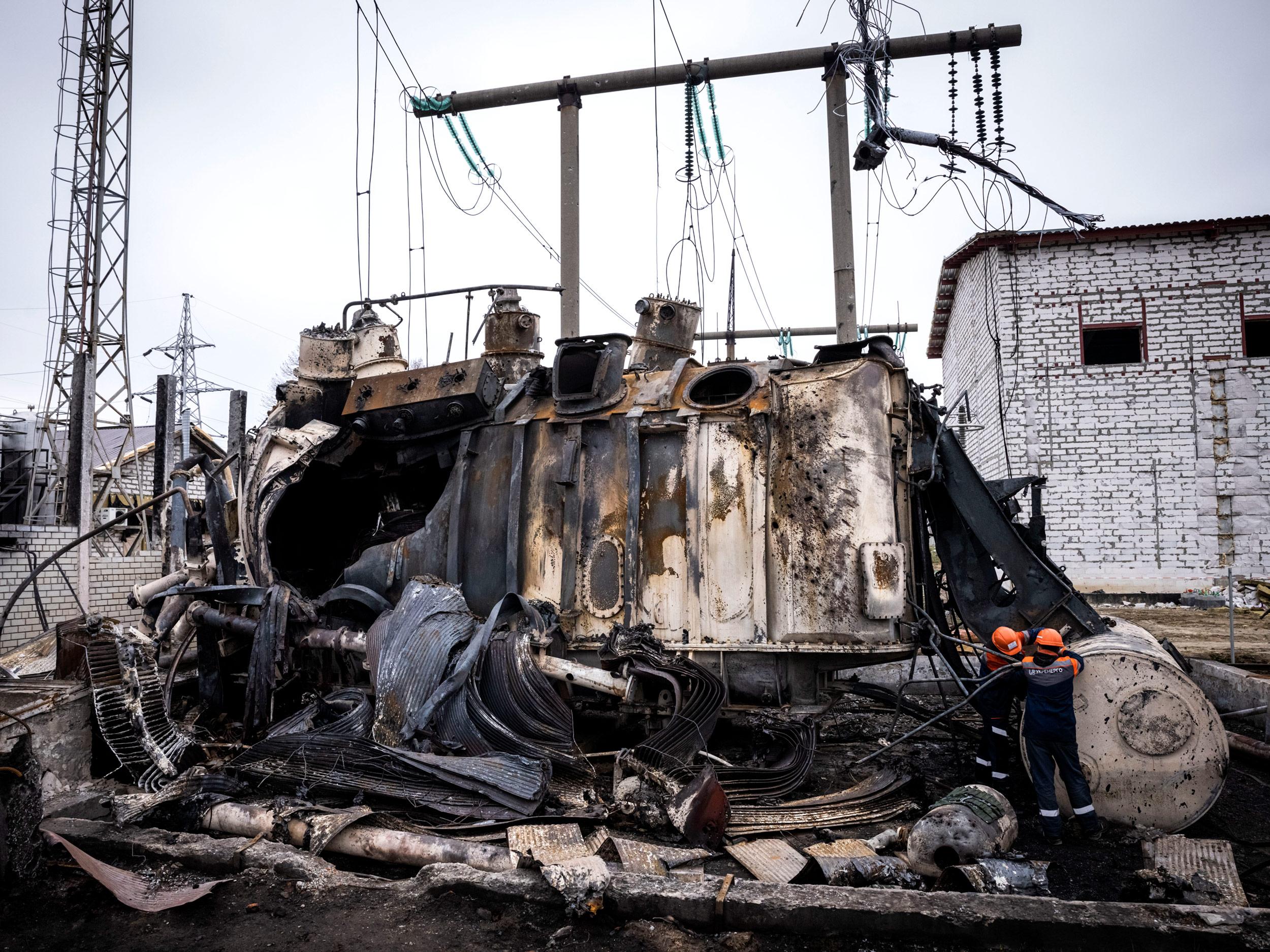
Tehran, Jerusalem, April 2, 2026 (Parliament Politics Magazine) cyber warfare conflict is now at the center of day 34 of US-Israel attacks, as digital battlegrounds expand alongside physical military operations. What initially appeared to be a conventional conflict has evolved into a hybrid war combining airstrikes, missile exchanges, and aggressive cyber operations.
On day 34, the integration of cyber tactics into military strategy has significantly altered the dynamics of the conflict, raising global concerns about infrastructure vulnerability and digital security threats.
Cyber Warfare Conflict Expands Beyond Traditional Battlefields
The cyber warfare conflict has intensified as both sides deploy sophisticated digital attacks targeting critical systems. Experts say this phase marks a turning point where cyber capabilities are no longer secondary but central to the conflict.
Key developments include:
- Disruption of communication networks
- Attacks on financial systems
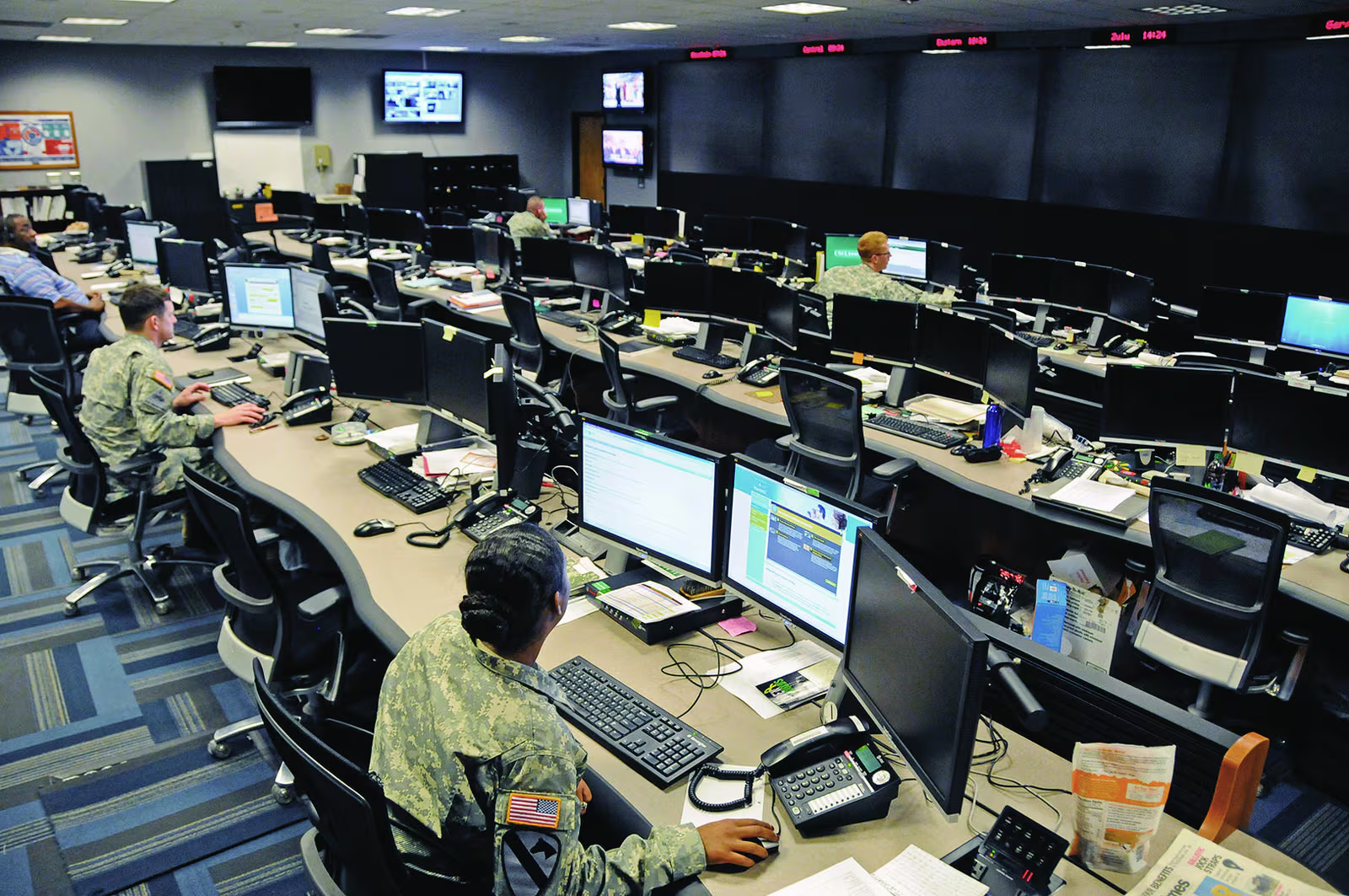
- Targeting of military command infrastructure
- Digital surveillance escalation
A cybersecurity analyst stated:
“This cyber warfare conflict is redefining modern warfare—digital strikes are now as impactful as physical ones.”
Military Escalation Continues Alongside Digital Attacks
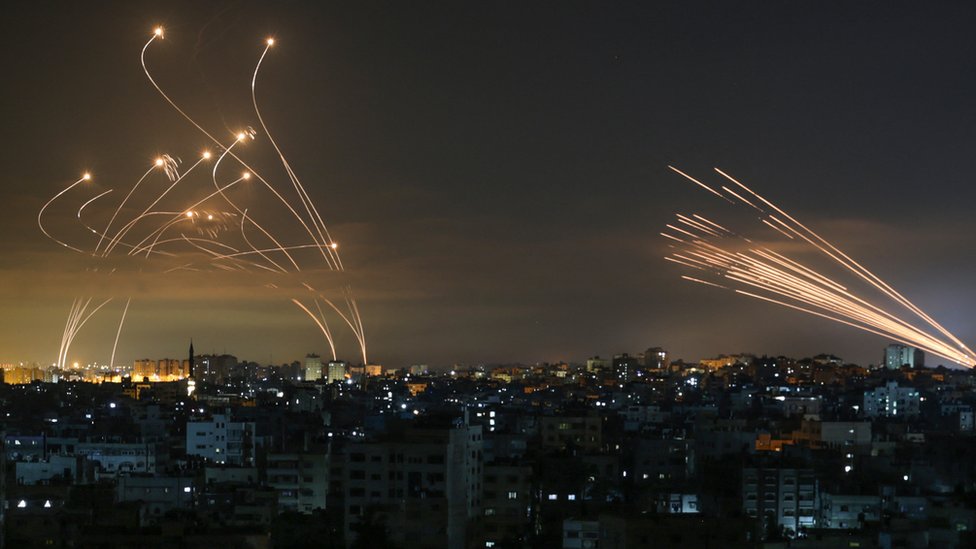
While cyber warfare conflict dominates headlines, traditional military operations continue to escalate. Airstrikes and missile launches remain frequent, with both sides targeting strategic positions.
Reports indicate:
- Increased precision strikes
- Expansion of military targets
- Defensive systems under pressure
- Continuous retaliation cycles
The overlap between cyber and physical warfare is creating a complex and unpredictable environment.
Civilian Impact Worsens Amid Dual Threats
The humanitarian situation is deteriorating as cyber warfare conflict disrupts essential services. Digital attacks on infrastructure have compounded the impact of physical destruction.
Major concerns include:
- Power outages linked to cyber incidents
- Hospital system disruptions
- Water supply interruptions
- Communication blackouts
An aid worker noted:
“The cyber warfare conflict is amplifying suffering by crippling systems civilians rely on daily.”
Global Alarm Grows Over Cybersecurity Risks
International leaders are increasingly focused on the implications of cyber warfare conflict. The risk of cyberattacks spreading beyond the immediate conflict zone has raised alarms worldwide.
Global responses include:
- Emergency cybersecurity measures
- Increased monitoring of critical infrastructure
- Diplomatic warnings about escalation
- Calls for international cyber regulations
A senior official warned:
“If this cyber warfare conflict spreads, it could impact economies and infrastructure far beyond the region.”
Economic Disruption Linked to Cyber Attacks
The cyber warfare conflict is contributing to economic instability as digital attacks target financial and logistical systems. Markets are reacting to both physical and cyber-related risks.
Key impacts:
- Financial transaction disruptions
- Market volatility
- Supply chain interruptions
- Increased cybersecurity spending
Experts emphasize that cyber threats are now a major economic risk factor in modern conflicts.
Information Warfare and Digital Propaganda Surge
Another dimension of the cyber warfare conflict is the rise of information warfare. Both sides are actively shaping narratives through digital platforms.
This includes:
- Coordinated disinformation campaigns
- Social media manipulation
- Cyber influence operations
- Targeted messaging strategies
Analysts say public perception is becoming a strategic battlefield.
Regional Tensions Rise as Conflict Expands
The broader region is feeling the effects of the cyber warfare conflict, with neighboring countries increasing vigilance against potential spillover.
Emerging risks:
- Cross-border cyber threats
- Regional military readiness
- Diplomatic strain
- Potential involvement of additional actors
A regional expert stated:
“The cyber warfare conflict increases the likelihood of wider instability across the Middle East.”
Political Pressure Intensifies on Decision Makers
Leaders involved in the cyber warfare conflict face mounting pressure to balance military objectives with global concerns. The complexity of hybrid warfare is complicating diplomatic efforts.
Challenges include:
- Managing cyber escalation risks
- Addressing humanitarian concerns
- Navigating international criticism
- Seeking potential ceasefire options
Political decisions in the coming days will be critical.
What Comes Next in the Cyber Warfare Conflict?
As day 34 concludes, the future of the cyber warfare conflict remains uncertain. Analysts outline several possible scenarios:
- Continued escalation of hybrid warfare
- Temporary cyber ceasefire agreements
- Expansion into broader regional conflict
- Increased international intervention
The integration of cyber and conventional warfare suggests that future conflicts may follow a similar pattern.
Key Takeaways from Day 34
- Cyber warfare conflict is now central to the crisis
- Digital attacks are disrupting critical infrastructure
- Military operations continue alongside cyber escalation
- Civilian impact is worsening due to system failures
- Global concern over cybersecurity risks is rising
- Economic instability is linked to cyber disruptions
