Southern Lebanon, April 1, 2026 (Parliament Politics Magazine) Middle East war risk escalation is accelerating as intense exchanges between Israeli forces and Hezbollah continue along the southern Lebanese border. The latest developments highlight a dangerous turning point in regional tensions, with both sides engaging in sustained military operations that could trigger a broader conflict.
The term Middle East war risk escalation has become central to global security discussions, as analysts warn that continued cross-border attacks may spiral into a larger regional war involving multiple actors.
Renewed Fighting Signals Dangerous Shift
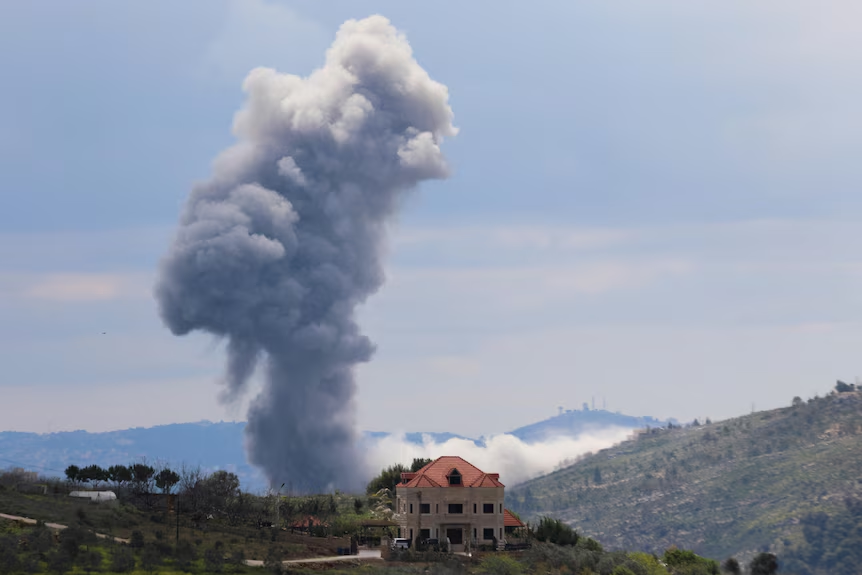
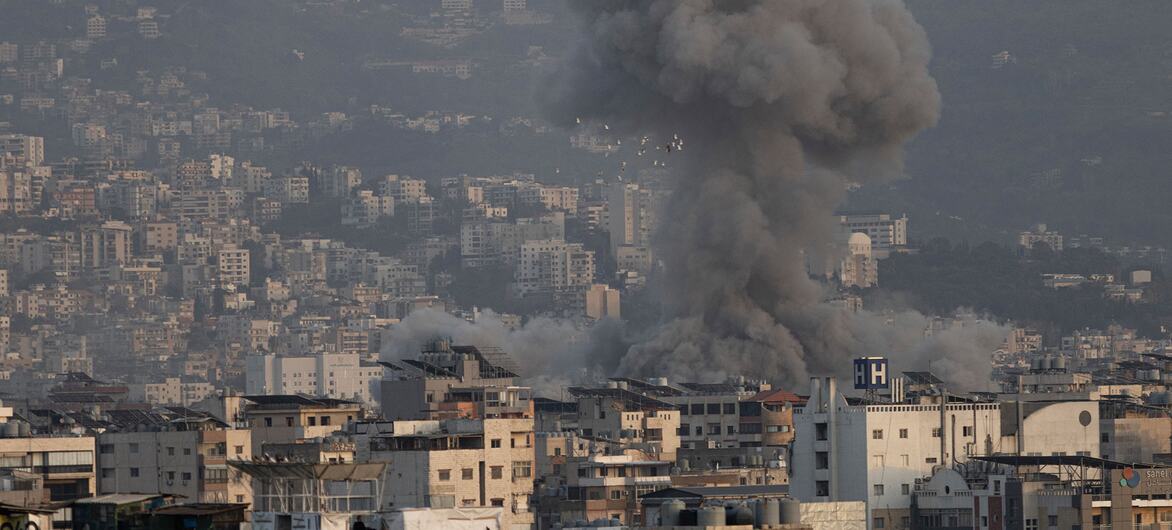
The recent surge in violence reflects a shift from isolated incidents to more coordinated and sustained engagements. Israeli forces have carried out targeted airstrikes against Hezbollah positions, while Hezbollah has responded with rocket barrages and advanced missile systems.
Security officials describe the الوضع as increasingly volatile, with both sides demonstrating readiness for prolonged confrontation.
A regional expert stated:
“This is a clear example of Middle East war risk escalation. The scale and frequency of these exchanges are deeply concerning.”
Hezbollah Expands Tactical Operations
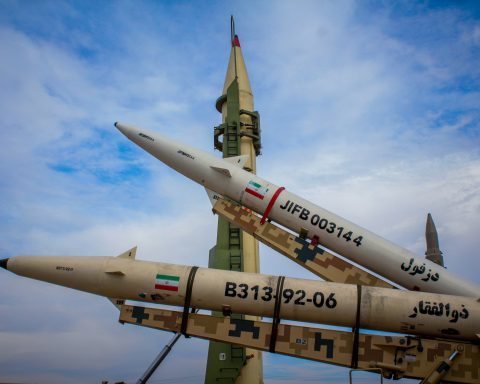
Hezbollah’s response has evolved in both scale and sophistication. The group has reportedly deployed drones, precision-guided missiles, and anti-tank systems, signaling a strategic escalation in its operational capabilities.
These developments suggest Hezbollah is prepared to sustain pressure while carefully calibrating its actions to avoid immediate full-scale war.
Leadership within the organization has framed its actions as defensive, but the intensity of operations indicates broader regional implications tied to alliances and geopolitical strategy.
Israeli Military Response Strengthens
Israeli forces have intensified their response through coordinated air and ground operations. Military officials emphasize that these actions are aimed at neutralizing threats and maintaining national security.
Additional troop deployments and defensive measures have been implemented along the northern border, underscoring the seriousness of the situation.
A senior official noted:
“Israel is prepared for any scenario. Middle East war risk escalation demands vigilance and decisive action.”
The ongoing operations highlight the delicate balance between deterrence and escalation in an already fragile environment.
Civilian Impact Deepens Crisis
As Middle East war risk escalation intensifies, civilians in both southern Lebanon and northern Israel are facing growing threats. Reports indicate widespread displacement, infrastructure damage, and disruptions to essential services.
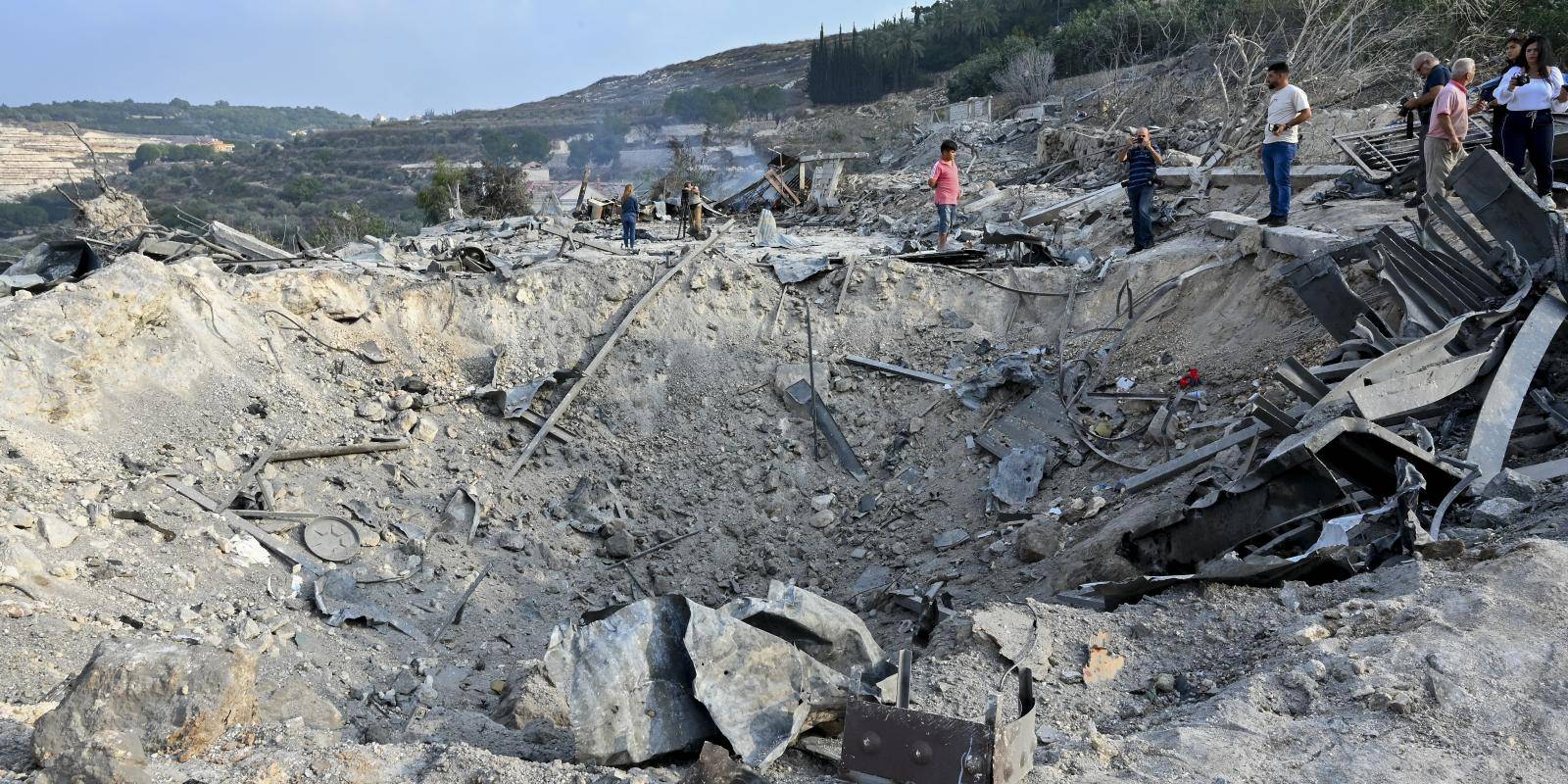
In Lebanon, communities near the border have experienced significant destruction, while Israeli towns have activated emergency protocols amid ongoing security alerts.
Humanitarian organizations warn that continued fighting could lead to a worsening crisis, with limited access to healthcare, electricity, and safe shelter.
Regional Tensions Amplify Concerns
The broader geopolitical landscape adds complexity to the current conflict. The ongoing Middle East war risk escalation is closely linked to tensions involving Iran and other regional actors.
Experts caution that any misstep could draw additional countries into the conflict, significantly increasing the масштабы of violence.
A geopolitical analyst explained:
“This situation is highly interconnected. Middle East war risk escalation in Lebanon could quickly expand into a wider regional confrontation.”
International Calls for De-escalation
Global leaders and international organizations have called for immediate restraint. Diplomatic efforts are underway to prevent further escalation and restore stability.
The United Nations has urged all parties to adhere to ceasefire agreements and avoid actions that could intensify the conflict.
Despite these efforts, progress remains uncertain as military operations continue on both sides.
Historical Context Highlights Risks
The Israel-Hezbollah conflict has a long and complex history, with previous confrontations demonstrating how quickly tensions can escalate.
The 2006 Lebanon War serves as a stark reminder of the potential consequences of unchecked escalation. Since then, both sides have significantly enhanced their military capabilities.
Today’s Middle East war risk escalation reflects not only immediate tensions but also deep-rooted strategic rivalries.
Potential for Wider Conflict Grows
One of the most pressing concerns is that the current situation could evolve into a broader regional war. The involvement of external actors, particularly Iran, could dramatically change the dynamics.
Military analysts warn that both sides are operating within a narrow margin for error, where even minor incidents could trigger significant escalation.
The continued Middle East war risk escalation underscores the urgency of diplomatic intervention.
Global Economic and Security Implications
Beyond the immediate conflict zone, the situation has broader implications for global stability. The Middle East remains a critical region for energy supplies and international trade.
Any prolonged escalation could disrupt markets, impact global الاقتصاد, and increase geopolitical uncertainty.
Investors and policymakers are closely monitoring developments as the risk environment continues to evolve.
What Comes Next?
The trajectory of the conflict remains uncertain. While both Israeli forces and Hezbollah appear to be avoiding full-scale war, the intensity of recent clashes suggests that the situation is becoming increasingly unstable.
Key developments to watch include:
- Escalation or reduction in cross-border attacks
- Diplomatic breakthroughs or failures
- Involvement of additional regional actors
- Humanitarian conditions on the ground
The phrase Middle East war risk escalation is likely to dominate global headlines as the situation unfolds.
Key Developments and What It Means
Southern Lebanon 2026 — Middle East war risk escalation is intensifying as Israeli forces and Hezbollah engage in sustained and dangerous clashes.
Civilians face growing threats while global leaders push for urgent de-escalation amid fears of a wider regional war.
Experts warn the situation could spiral quickly, making this one of the most critical flashpoints in global security today.