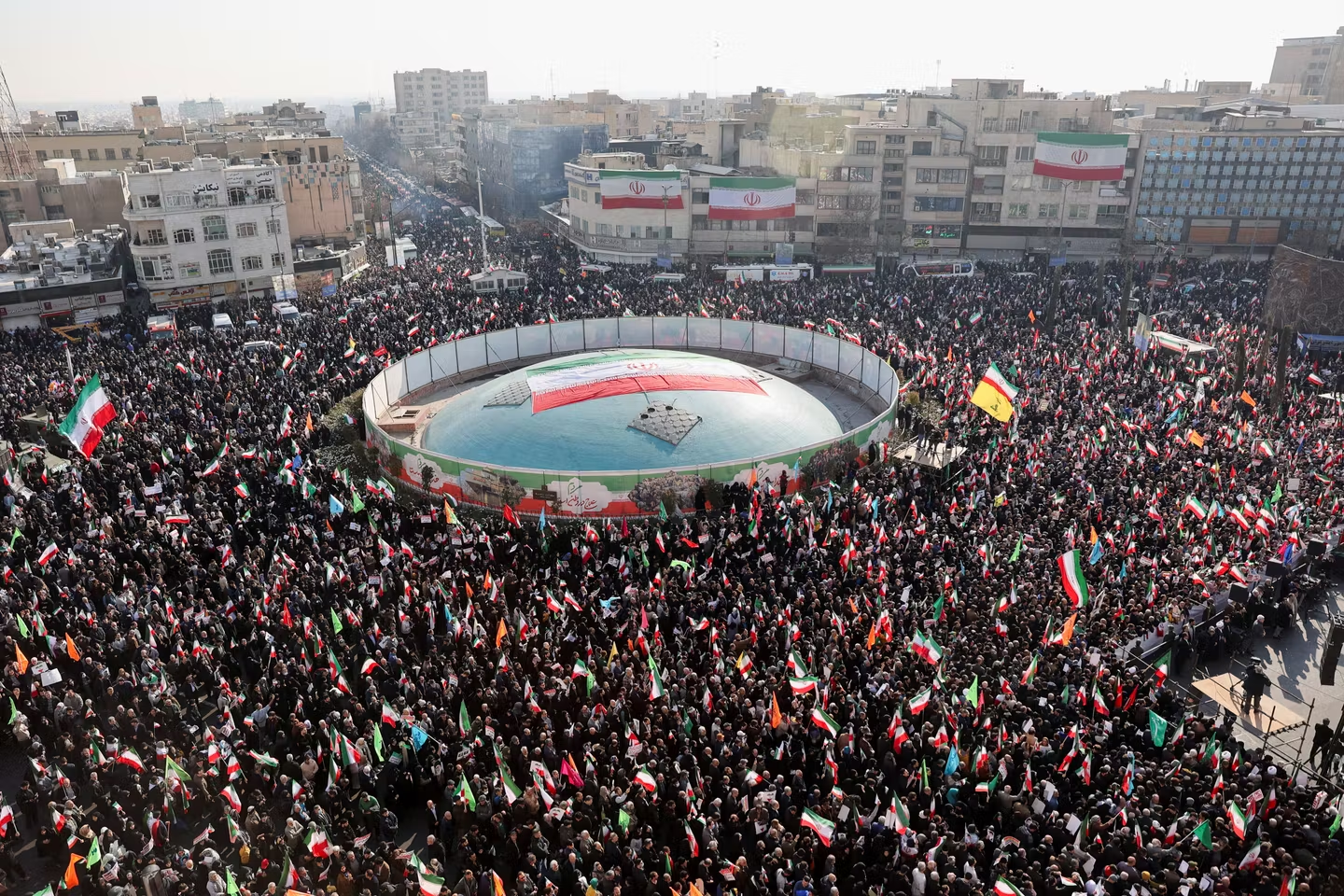
Tehran, Iran, April 2, 2026 (Parliament Politics Magazine) Iran sanctions impact continues to shape the national mood as mourners gathered across the country to mark the Islamic Republic’s 47th anniversary, blending remembrance with rising frustration and calls for resistance. This year’s observance unfolded against a backdrop of economic hardship, political unrest, and intensifying international pressure.
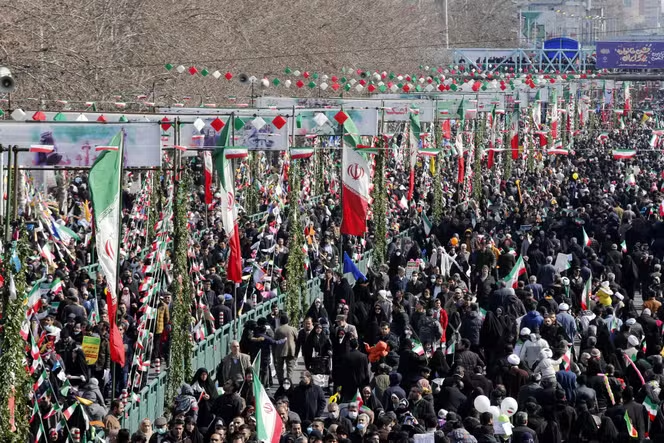
Crowds filled public spaces in Tehran and other major cities, where official ceremonies were held alongside more subdued gatherings reflecting public discontent. While authorities promoted unity and resilience, many citizens used the moment to highlight the growing strain linked to sanctions and ongoing conflict.
Anniversary Events Reveal Economic Strain
The anniversary of the 1979 revolution has traditionally been a day of national pride, but this year’s tone was noticeably different. The Iran sanctions impact was visible not only in speeches but also in the everyday experiences of attendees.
Government-organized rallies emphasized strength in the face of foreign pressure, with officials pointing to endurance despite years of restrictions. However, many participants quietly acknowledged that economic realities are becoming increasingly difficult to ignore.
“We are told to celebrate resilience, but people are struggling to survive,”
one attendee said during a gathering in central Tehran.
The contrast between official messaging and public sentiment highlighted a growing divide across the country.
Sanctions and Economic Pressure Intensify
The Iran sanctions impact has significantly affected the nation’s economy, contributing to inflation, reduced purchasing power, and rising unemployment. Analysts note that ongoing restrictions on trade and finance have limited Iran’s ability to stabilize its currency and expand economic opportunities.
The nationwide protests that began in late 2025 were largely driven by these economic challenges, including currency collapse and rising costs of living.
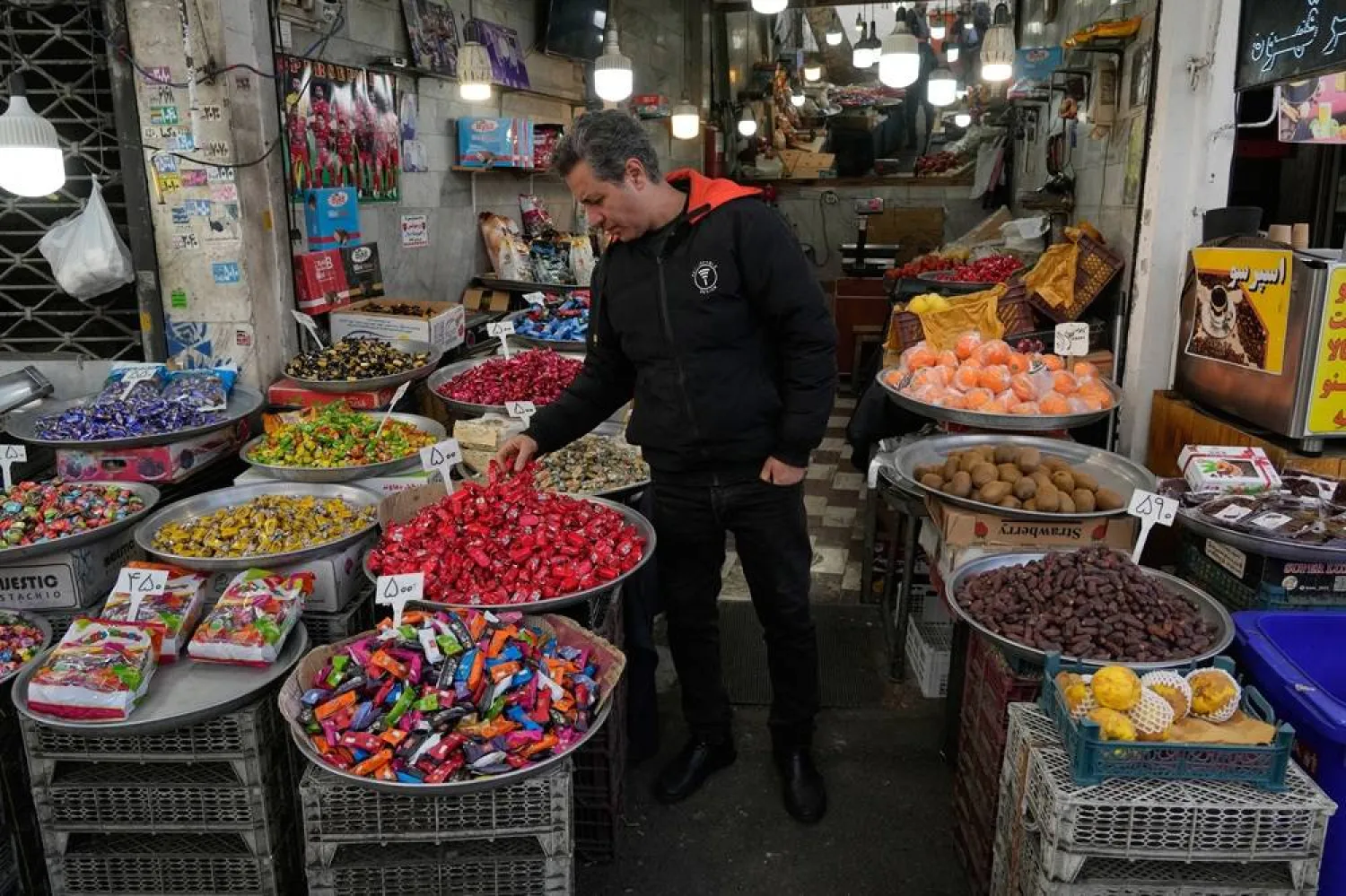
In markets across Tehran, vendors and consumers alike described worsening conditions. Basic goods have become more expensive, and many families are adjusting to tighter budgets.
“Sanctions are not just political—they affect every meal, every bill,”
a shopkeeper explained.
Public Mourning Turns Into Subtle Resistance
A defining feature of this year’s anniversary was the transformation of mourning into quiet acts of resistance. Citizens gathered not only to commemorate the past but also to express dissatisfaction with current conditions shaped by the Iran sanctions impact.
Symbolic gestures such as candlelight vigils and silent marches reflected a shift toward less confrontational but deeply meaningful forms of protest. These actions underscored a growing awareness that economic hardship is closely tied to broader political and international dynamics.
In several locations, mourners honored victims of recent unrest, linking historical remembrance with present-day struggles.
Government Response Focuses on Unity
Iranian officials used the anniversary to reinforce messages of national unity and resilience. Speeches highlighted the country’s ability to withstand external pressure and maintain sovereignty despite sanctions and geopolitical tensions.
Authorities also pointed to achievements in infrastructure and defense, presenting them as evidence of progress.
However, critics argue that these narratives do not fully address the economic realities faced by ordinary citizens. The Iran sanctions impact remains a central concern that continues to influence public perception.
International Pressure and Sanctions Expansion
Recent developments have further intensified the Iran sanctions impact. New sanctions targeting individuals and entities linked to human rights violations have been introduced by international bodies, increasing pressure on the government.
At the same time, the broader geopolitical environment—including conflict-related disruptions—has added to economic instability. Experts warn that the situation could worsen if tensions continue to escalate.
Global economic effects are also becoming more apparent, with energy markets and supply chains affected by ongoing instability.
Rising Tensions and Crackdowns
Human rights groups have raised concerns about increasing repression, suggesting that the government is attempting to deter further unrest amid rising economic pressure.
Analysts believe that these actions reflect deeper fears of instability fueled by the Iran sanctions impact and ongoing public dissatisfaction.
Youth Engagement Signals Future Change
Younger generations are playing a growing role in shaping the response to the Iran sanctions impact. Many young Iranians are increasingly vocal about economic opportunity, social freedoms, and the need for reform.
Digital platforms have amplified these voices, allowing for the spread of ideas and coordination of gatherings. This shift suggests that future movements may continue to evolve in both form and intensity.
A Nation Facing Uncertain Direction
As Iran marks its 47th anniversary, the interplay between economic hardship and political expression has become more pronounced. The Iran sanctions impact is no longer just a policy issue—it is a defining factor in the daily lives of millions.
While the government emphasizes resilience and unity, many citizens are questioning whether current strategies can address the challenges ahead. The growing sense of uncertainty underscores the complexity of the situation.
Iran Sanctions Impact Pushes Nation Toward Uncertain Future
The Iran sanctions impact is increasingly shaping the country’s political and economic landscape as citizens marked the Islamic Republic’s 47th anniversary. What began as a national celebration has turned into a reflection of growing frustration, economic hardship, and rising resistance.
With inflation climbing, protests expanding, and public sentiment shifting, Iran now faces a critical moment that could determine its future direction.