

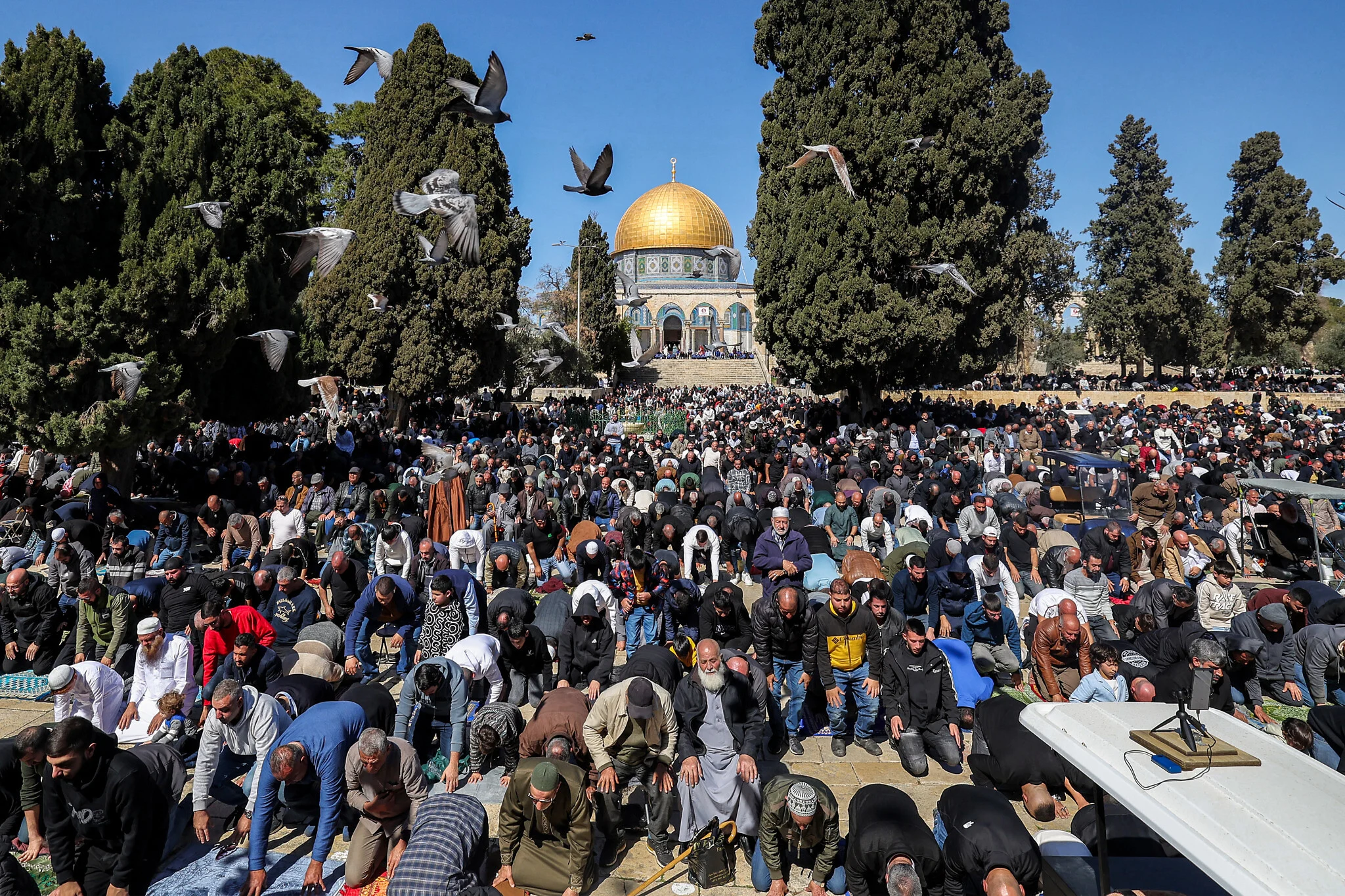
Jerusalem, AprJerusalemil 03, 2026 (Parliament Politics Magazine) Growing Pressure Around Holy SitesIsrael Palestine tensions intensified in after authorities restricted access to the Al-Aqsa Mosque, prompting hundreds of worshippers to pray on surrounding streets. The unfolding developments have once again placed the historic city at the center of global attention.
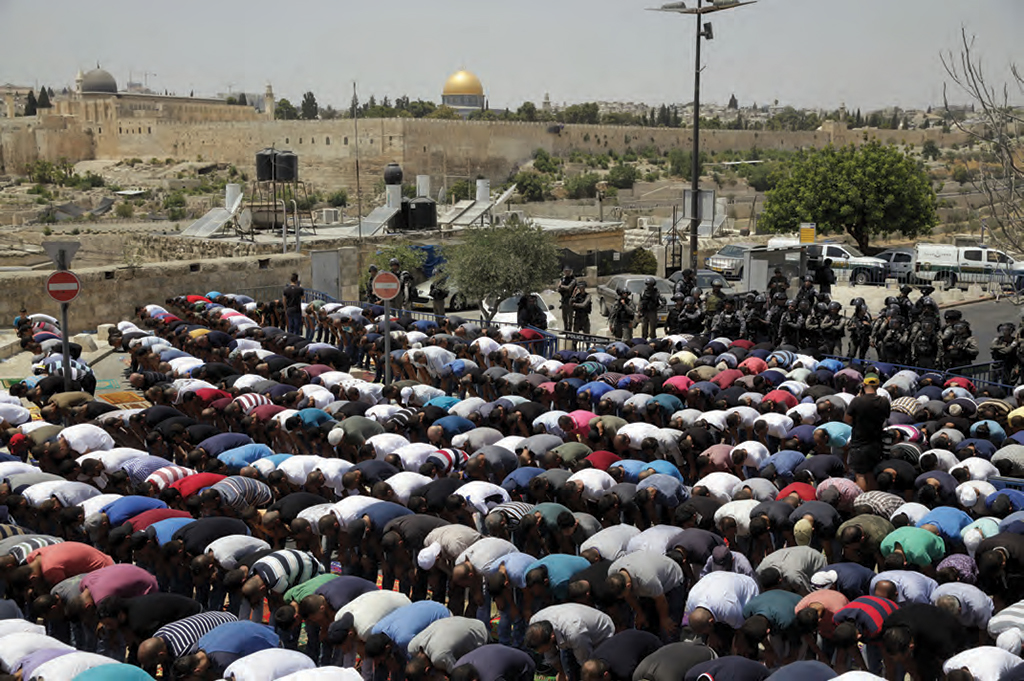
In the early hours, individuals gathered outside the compound only to find entry limited, forcing many to lay prayer mats along sidewalks and roads. The moment quickly became symbolic of both devotion and rising frustration, as access to one of Islam’s most sacred locations was curtailed.
A witness described the situation, stating,
“We came to pray inside, but when we were turned away, the streets became our place of worship.”
Restrictions Fuel Israel Palestine Tensions
The decision to restrict entry to the Al-Aqsa Mosque has contributed directly to rising Israel Palestine tensions, with many questioning the timing and necessity of the measures.
Security forces were deployed in significant numbers, establishing checkpoints and limiting access to the compound. Officials have maintained that the restrictions are precautionary, aimed at preventing unrest and ensuring safety. However, for those affected, the measures have been perceived as deeply disruptive.
As crowds formed outside the gates, rows of worshippers filled the streets, creating a powerful image that reflects both unity and unresolved conflict.
International Concern Grows
Israel Palestine tensions have once again drawn responses from international observers, with leaders urging restraint and respect for religious rights.
Organizations focused on human rights emphasized that access to places of worship should remain protected, particularly during periods of religious significance. Analysts warn that prolonged restrictions could escalate tensions beyond the immediate area.
A regional analyst noted,
“Israel Palestine tensions are not confined to one location. Events in Jerusalem often influence broader regional stability.”
Historical Context Behind the Crisis
The Al-Aqsa Mosque holds immense religious importance and has historically been a focal point in Israel Palestine tensions.
For generations, access to the site has been closely tied to identity, faith, and political realities. Restrictions—temporary or prolonged—have frequently led to heightened emotions and widespread reaction.
The latest scenes of worshippers praying outside the mosque reinforce how deeply connected communities are to the site and how sensitive any changes in access can be.
Life on the Streets of Jerusalem
Eyewitness accounts describe large crowds gathering well before prayer times, anticipating possible restrictions. When access was limited, many adapted by praying in the streets, maintaining a peaceful presence despite the circumstances.
Families, elderly individuals, and young people were seen participating together, highlighting the communal aspect of the moment. While tensions were evident, the overall atmosphere remained largely calm.
Local businesses reported disruptions as movement in and around the Old City became restricted, affecting daily routines and economic activity.
Security Measures and Debate
Authorities have defended their actions, stating that the restrictions were necessary to maintain order. Increased patrols, surveillance, and checkpoints were introduced throughout key areas.
However, critics argue that such measures often intensify Israel Palestine tensions rather than reduce them. The challenge of balancing security concerns with religious access continues to be a central issue.
Experts suggest that clearer communication and cooperation between authorities and community leaders could help prevent similar situations in the future.
Voices Reflect Frustration and Faith
Personal stories from those present offer a deeper understanding of the situation. Many worshippers expressed disappointment but also resilience.
One individual shared,
“Faith does not depend on walls. We will pray wherever we can.”
Another said,
“This is about more than access—it’s about respect and dignity.”
These perspectives underscore the human impact of decisions that extend far beyond policy.
Regional Implications of Rising Tensions
Israel Palestine tensions linked to the Al-Aqsa Mosque have historically influenced broader geopolitical dynamics. Analysts are closely monitoring developments, noting that even localized incidents can trigger wider reactions.
Governments across the region have issued statements urging calm while emphasizing the importance of maintaining established arrangements regarding religious sites.
The potential for escalation remains a concern, particularly if restrictions continue or intensify.
Calls for Dialogue Intensify
Religious leaders and international organizations are calling for immediate dialogue to address the situation. Ensuring fair access to sacred spaces remains a key priority in ongoing discussions.
Efforts to mediate between stakeholders are being explored, though a clear resolution has yet to emerge. The focus remains on preventing further escalation while maintaining stability.
What Lies Ahead
The coming days are expected to play a crucial role in determining how Israel Palestine tensions evolve. Decisions regarding access to the Al-Aqsa Mosque will likely shape both local conditions and international response.
For now, the image of worshippers praying in the streets serves as a powerful reminder of the ongoing complexities surrounding faith, access, and conflict in Jerusalem.
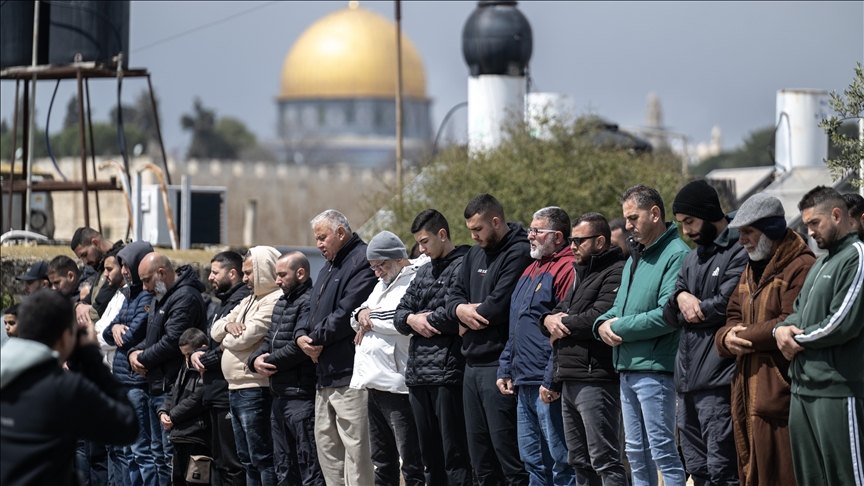
Israel Palestine Tensions Surge as Worshippers Pray Outside Al-Aqsa
Israel Palestine tensions rise sharply after Al-Aqsa Mosque access restrictions.
Worshippers in Jerusalem turn to streets for prayer, drawing global attention.
The situation remains uncertain as calls for calm and dialogue intensify.
