

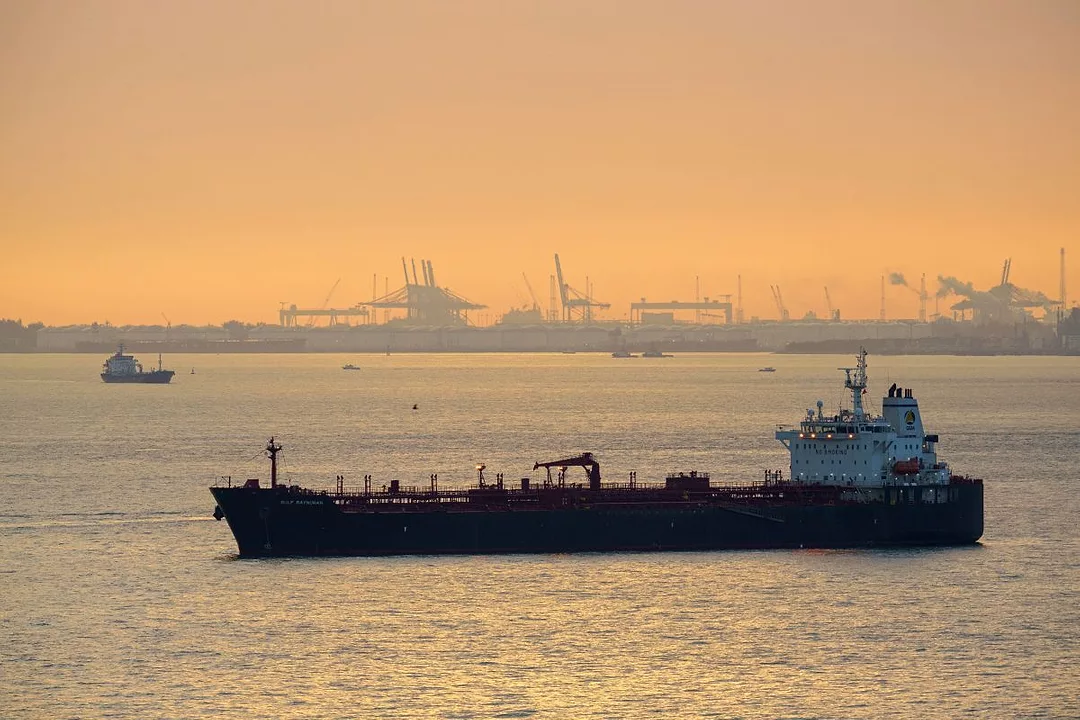
Middle East, April 03, 2026 (Parliament Politics Magazine) maritime security escalation is rapidly becoming a defining concern in global geopolitics as Iran moves toward establishing a structured navigation framework through the Strait of Hormuz, one of the most critical oil transit routes in the world.
The development signals a potential shift in how maritime traffic is governed in the region, raising concerns among global shipping operators, energy markets, and military strategists. With tensions already high, the move is being interpreted as both a strategic assertion and a warning to international stakeholders.
Understanding the Maritime Security Escalation Framework
The term maritime security escalation reflects the growing complexity and risk surrounding naval operations, shipping lanes, and regional authority in the Persian Gulf.
Iran’s proposed navigation framework reportedly includes:
- Enhanced monitoring of vessels
- Structured routing systems
- Potential compliance requirements for transit
- Expanded maritime patrol coordination
This marks a transition from informal influence to formalized control mechanisms.
“When maritime security escalation reaches this level, it changes how every vessel operates in the region,”
a regional analyst explained.
Why the Strait of Hormuz Is a Global Pressure Point
The Strait of Hormuz is a narrow but vital corridor linking major oil-producing nations to global markets. Nearly 20% of the world’s oil supply passes through it daily.
As maritime security escalation intensifies, the risks tied to this chokepoint become more pronounced:
- Immediate oil price volatility
- Increased shipping delays
- Higher insurance premiums
- Potential rerouting challenges
Even minor disruptions can trigger global economic consequences.
Geopolitical Timing Behind the Move
Iran’s actions come amid a backdrop of rising tensions across the Middle East. Military positioning, diplomatic friction, and economic pressures are all contributing factors.
Observers suggest that maritime security escalation is not happening in isolation. Instead, it reflects a broader strategic posture that includes:
- Strengthening regional influence
- Challenging international maritime norms
- Responding to perceived external threats
- Increasing leverage in diplomatic negotiations
This calculated timing is being closely analyzed by policymakers worldwide.
Impact on Global Energy Markets
Energy markets are extremely sensitive to maritime security escalation, particularly when it involves the Strait of Hormuz.
Potential impacts include:
- Supply Disruptions: Even temporary slowdowns affect pricing
- Market Speculation: Traders respond quickly to perceived risk
- Cost Increases: Transportation and insurance costs rise
- Investor Uncertainty: Financial markets react to instability
The psychological impact alone can drive significant volatility.
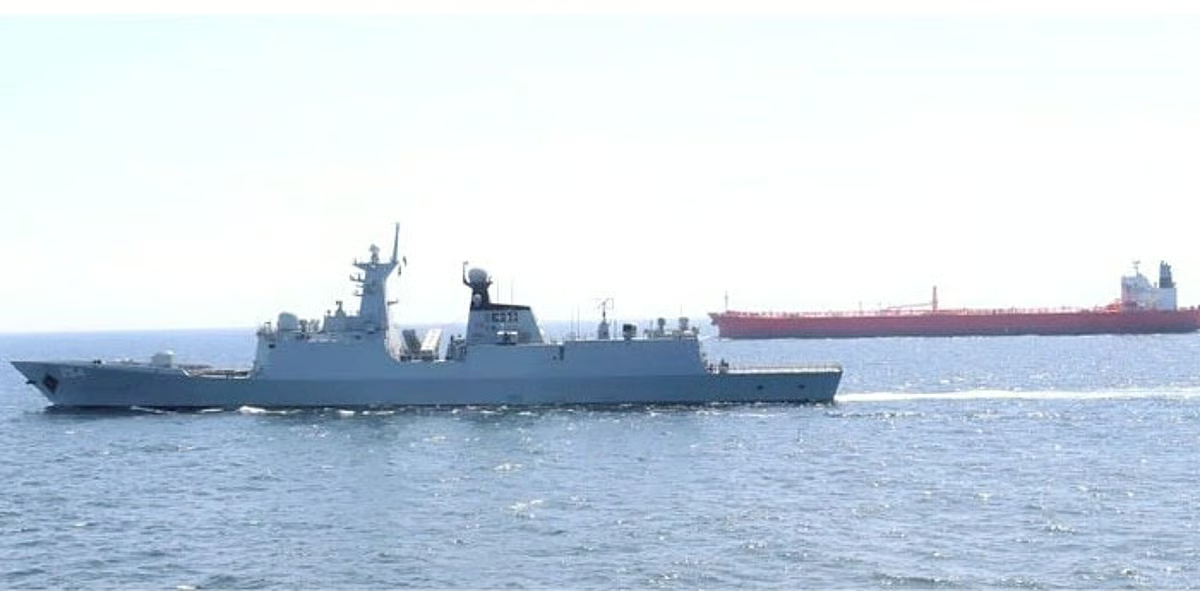
Shipping Industry Braces for Disruption
For global shipping companies, maritime security escalation introduces a new layer of operational complexity.
Possible consequences include:
- Additional compliance procedures
- Increased inspection risks
- Longer transit times
- Strategic route planning adjustments
Industry leaders emphasize that predictability is essential—and currently lacking.
one shipping executive noted.
“That affects cost, timing, and safety.”
Military Implications and Rising Risks
The rise in maritime security escalation is also drawing attention from global defense forces.
Potential outcomes include:
- Increased naval deployments
- Heightened surveillance operations
- Greater risk of confrontation
- Competing enforcement claims
In a confined waterway like Hormuz, even minor misunderstandings can escalate quickly.
Diplomatic Pressure Builds
As maritime security escalation intensifies, diplomatic efforts are expected to increase.
Countries reliant on stable energy supplies are likely to:
- Engage in negotiations
- Seek clarity on enforcement mechanisms
- Push for international oversight
- Coordinate responses through alliances
The situation underscores the delicate balance between sovereignty and global economic stability.
Economic Ripple Effects Beyond Energy
While oil is central, maritime security escalation affects multiple sectors:
- Global Trade: Slower shipping impacts delivery timelines
- Manufacturing: Supply chains face disruption
- Logistics: Increased operational costs
- Financial Markets: Heightened volatility
The interconnected nature of global commerce amplifies these effects.
A Strategic Signal or Structural Shift?
Experts remain divided on whether maritime security escalation represents a temporary tactic or a long-term strategic shift.
Some view it as:
- A negotiating tool
- A response to current geopolitical tensions
Others see it as:
- A foundational change in maritime governance
- A move toward sustained regional control
“This is more than a moment—it could be a turning point,”
one analyst observed.
What to Watch in the Coming Weeks
The trajectory of maritime security escalation will depend on several key developments:
- Official policy announcements
- International diplomatic responses
- Changes in shipping patterns
- Market reactions
Stakeholders across industries are monitoring the situation closely.
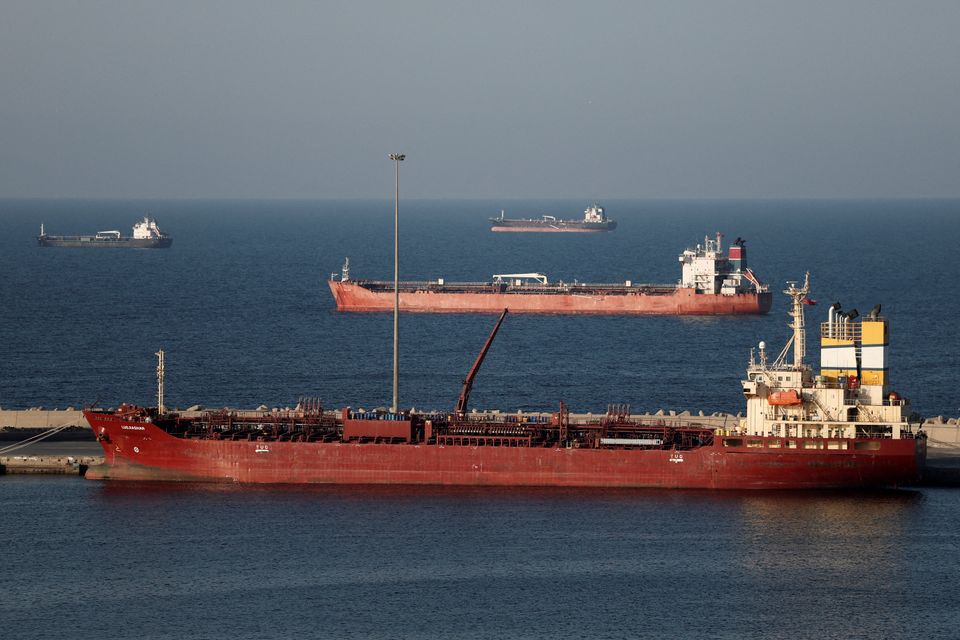
Maritime Security Escalation and Global Impact
Maritime security escalation tied to Iran’s Hormuz framework is emerging as a major global concern in 2026.
- It threatens stability in a critical global trade route
- It introduces uncertainty into energy markets
- It raises risks of military confrontation
- It could reshape international maritime policy
The situation is evolving rapidly, with global implications that extend far beyond the region.
