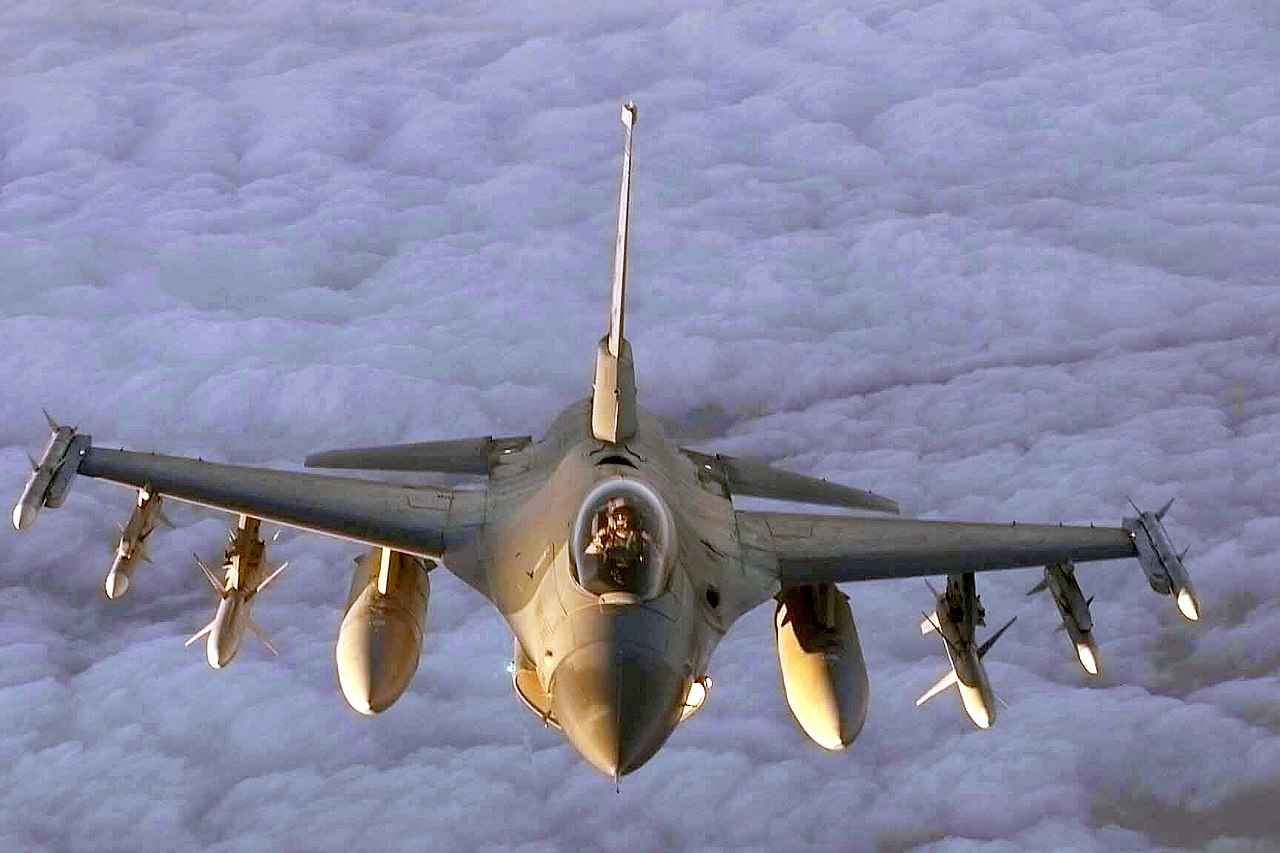
Washington / Tehran, April 03, 2026 (Parliament Politics Magazine) US Iran diplomacy crisis concerns are escalating sharply in 2026 following reports that a U.S. fighter jet may have been downed over Iranian territory, with uncertainty surrounding the fate of the pilot. Iranian media has claimed a pilot ejected and may be captured, while U.S. officials have not confirmed these reports, creating a volatile and uncertain situation.
This developing situation is being viewed by analysts as a potential turning point that could shift the conflict from military engagement to a full-scale diplomatic crisis with global implications.
Breaking Developments Raise Global Alarm
Recent developments suggest that Iran has encouraged civilians to locate and capture a downed American pilot, even offering rewards, further intensifying the crisis.
At the same time, the United States has reportedly initiated search and rescue considerations, highlighting the urgency of the situation.
The conflicting narratives between both nations are fueling uncertainty and increasing the risk of miscalculation.
Why This Moment Signals a Diplomacy Crisis
The potential capture of U.S. pilots represents more than a battlefield event—it transforms the conflict into a high-stakes diplomatic confrontation.
Historically, such incidents force governments into difficult decisions involving:
- Negotiations under pressure
- Military retaliation risks
- International mediation
The US Iran diplomacy crisis could rapidly evolve into a situation where diplomacy becomes unavoidable, even as military tensions remain high.
A geopolitical analyst stated:
“When pilots are potentially captured, the conflict moves from strategy to survival—and diplomacy becomes the only path forward.”
Strategic Pressure on the United States
For U.S. leadership, the situation presents a complex dilemma:
- Immediate Response Demands: Pressure to recover personnel quickly
- Public Reaction: Rising expectations for decisive action
- Diplomatic Constraints: Limited room for aggressive escalation
The US Iran diplomacy crisis could force policymakers into choosing between escalation and negotiation—both carrying significant consequences.
Iran’s Position and Tactical Advantage
If confirmed, the capture of U.S. pilots could offer Iran substantial leverage in the broader conflict.
This advantage could be used to:
- Influence negotiations on sanctions and military actions
- Shape global perception of the conflict
- Strengthen domestic and regional political positioning
Such a scenario would elevate the US Iran diplomacy crisis beyond military conflict into a psychological and diplomatic struggle.
Risk of Rapid Escalation
The situation carries a high risk of escalation, particularly if:
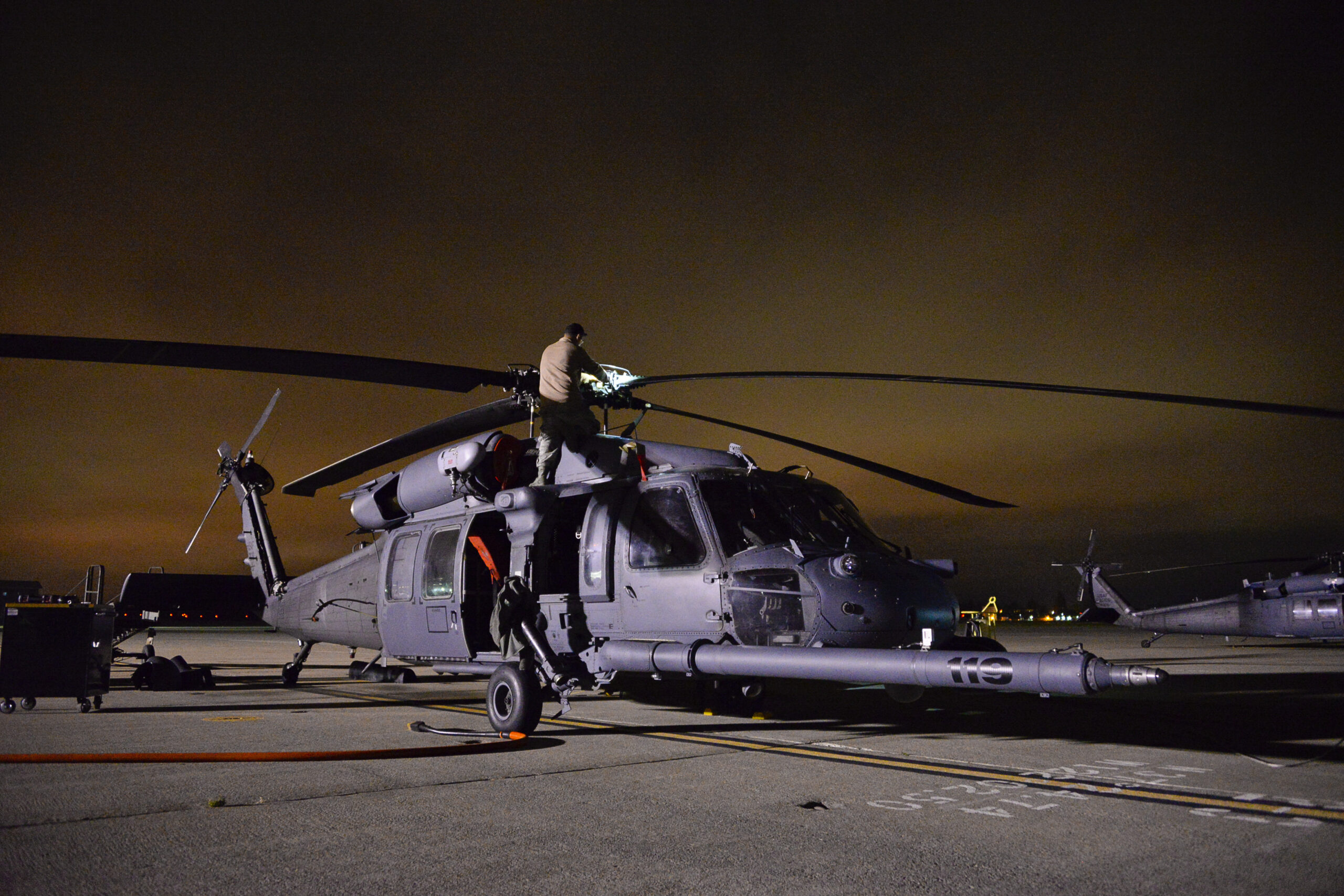
- Rescue operations are launched inside hostile territory
- Military retaliation is initiated
- Civilian involvement complicates the situation
Recent reports indicate growing regional instability, including attacks across Gulf nations and critical infrastructure disruptions.
These developments suggest that even a single incident could trigger a wider conflict.
Global Diplomatic Reactions
International leaders are closely monitoring the situation, with many calling for restraint and dialogue.
There are increasing concerns that:
- Allies may be drawn into the conflict
- Diplomatic channels could become strained
- Economic consequences could spread globally
A European official warned:
“This is the kind of moment where diplomacy either prevents disaster—or fails entirely.”
Economic Shockwaves Already Emerging
The US Iran diplomacy crisis is not limited to military and political consequences—it is already affecting global markets.
Key impacts include:
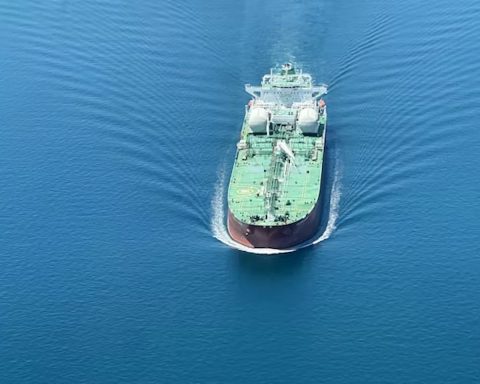
- Rising oil prices due to instability in the Strait of Hormuz
- Disruptions to global shipping routes
- Increased volatility in financial markets
The ongoing crisis in the region has already impacted a significant portion of global energy supply routes, raising fears of prolonged economic disruption.
Media Influence and Information Warfare
In modern conflicts, perception plays a critical role. Reports of captured pilots—whether confirmed or not—can:
- Influence global opinion
- Pressure governments into action
- Shape the narrative of the conflict
The US Iran diplomacy crisis is unfolding not only on the battlefield but also across digital platforms and global media.
Possible Outcomes Ahead
Several scenarios could define the next phase of this crisis:
1. Diplomatic Negotiations
Back-channel discussions could emerge to secure the release of captured personnel.
2. Military Escalation
The U.S. could respond forcefully, increasing the scale of the conflict.
3. International Mediation
Global powers may intervene to prevent further escalation.
Each outcome highlights the fragile balance between war and diplomacy.
Human Impact at the Center of the Crisis
At the core of this geopolitical tension are the individuals involved. If U.S. pilots are indeed captured, they become symbols of the conflict, drawing global attention and emotional responses.
This human element often drives urgency in decision-making and increases pressure on leaders to act swiftly.
Expert Perspective: A Defining Moment
Experts agree that this moment could define the future of the conflict.
One strategist explained:
“This is not just another development—it’s a defining moment that could reshape diplomacy, military strategy, and global alliances.”
The US Iran diplomacy crisis is now being seen as one of the most critical phases of the ongoing war.
A Crisis That Could Redefine the Conflict
The potential capture of U.S. pilots represents a pivotal moment with far-reaching consequences:
- It shifts the conflict toward diplomacy under pressure
- It increases the risk of military escalation
- It impacts global political and economic stability
As events continue to unfold, the US Iran diplomacy crisis remains one of the most closely watched developments in global affairs, with the potential to reshape the course of the war.