

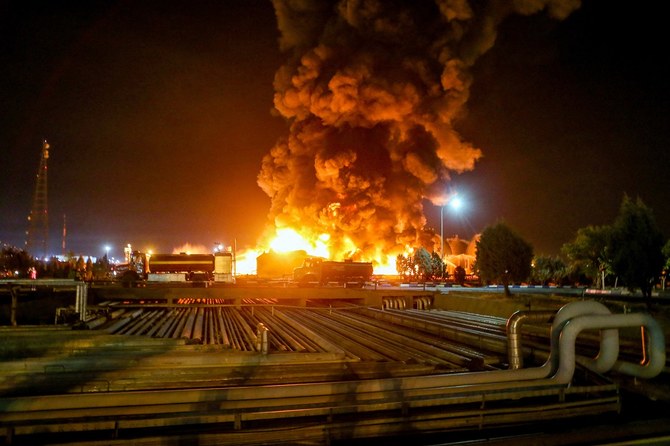
ABU DHABI, United Arab Emirates, April 04, 2026 (Parliament Politics Magazine) Middle East regional instability is intensifying rapidly as the United Arab Emirates faces the brunt of Iran-linked retaliation attacks amid escalating geopolitical tensions tied to the broader US-Iran conflict. The situation is raising alarm across global security circles, with analysts warning that the Gulf region may be entering a new phase of prolonged uncertainty.
The UAE, traditionally viewed as a pillar of economic resilience and diplomatic neutrality, is now increasingly exposed to asymmetric threats targeting its infrastructure and strategic interests. This shift marks a critical turning point in regional dynamics.
Escalation of Iran-Linked Retaliation Activity
The recent surge in attacks reflects a calculated response by Iran-aligned groups aiming to exert pressure across the region. Security officials report an increase in drone incursions, cyber disruptions, and indirect strikes targeting economic assets.
This wave of aggression highlights the growing complexity of modern warfare in the Middle East, where non-state actors and proxy networks play a central role. The evolving threat landscape is a key driver behind the current Middle East regional instability.
A regional analyst noted:
“The escalation we’re seeing is not random—it’s strategic. The UAE is being targeted because of its economic importance and its alignment with Western interests.”
These developments suggest a coordinated effort to destabilize key allies without triggering full-scale conventional conflict.
Impact on UAE Security and Infrastructure
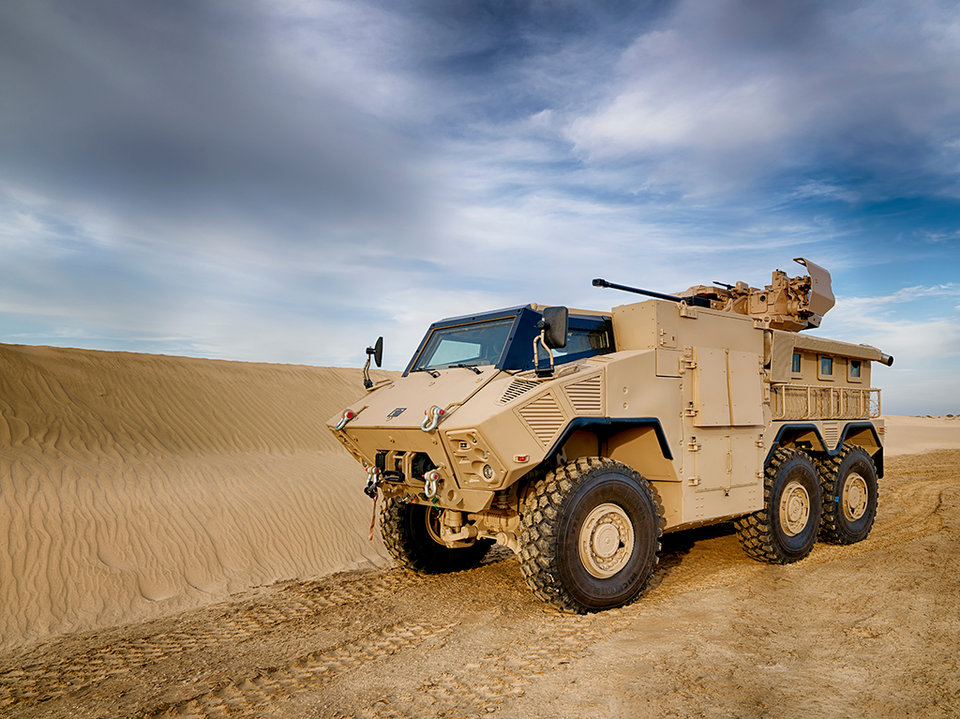
Authorities in the UAE have significantly increased security measures to protect critical infrastructure. Energy facilities, airports, and major logistics hubs are operating under heightened alert conditions.
The Middle East regional instability is placing additional strain on national defense systems, forcing rapid adaptation to emerging threats. Cybersecurity defenses have also been reinforced as digital attacks become more frequent.
Despite these challenges, UAE officials have emphasized their readiness to respond effectively to any escalation.
Economic Consequences and Market Volatility
The economic implications of Middle East regional instability are becoming increasingly visible. Financial markets in the Gulf have shown signs of volatility, while global investors are reassessing risk exposure in the region.
Oil prices have reacted sharply to the uncertainty, reflecting concerns about potential disruptions to supply chains. The UAE’s role as a major energy exporter and trade hub makes it particularly sensitive to shifts in regional stability.
Economic experts warn that prolonged instability could have lasting effects on global markets.
“Even limited disruptions in the Gulf can send shockwaves through the global economy,”
one market strategist explained.
Diplomatic Balancing and Strategic Challenges
The UAE finds itself navigating a complex diplomatic landscape as tensions escalate. While maintaining strong ties with Western allies, the country is also working to avoid becoming a central battleground in the conflict.
Middle East regional instability has forced policymakers to adopt a dual approach—strengthening defense capabilities while pursuing diplomatic solutions.
Efforts to engage in dialogue and reduce tensions remain ongoing, though progress has been limited by the rapidly evolving situation.
Regional Ripple Effects and Wider Risks
The consequences of Middle East regional instability extend beyond the UAE. Neighboring countries are also increasing security preparedness, anticipating potential spillover effects.
Military experts caution that continued escalation could draw multiple actors into the conflict, increasing the risk of broader confrontation.
The interconnected nature of the region means that instability in one area can quickly impact others, amplifying the overall threat.
Energy Security and Global Concerns
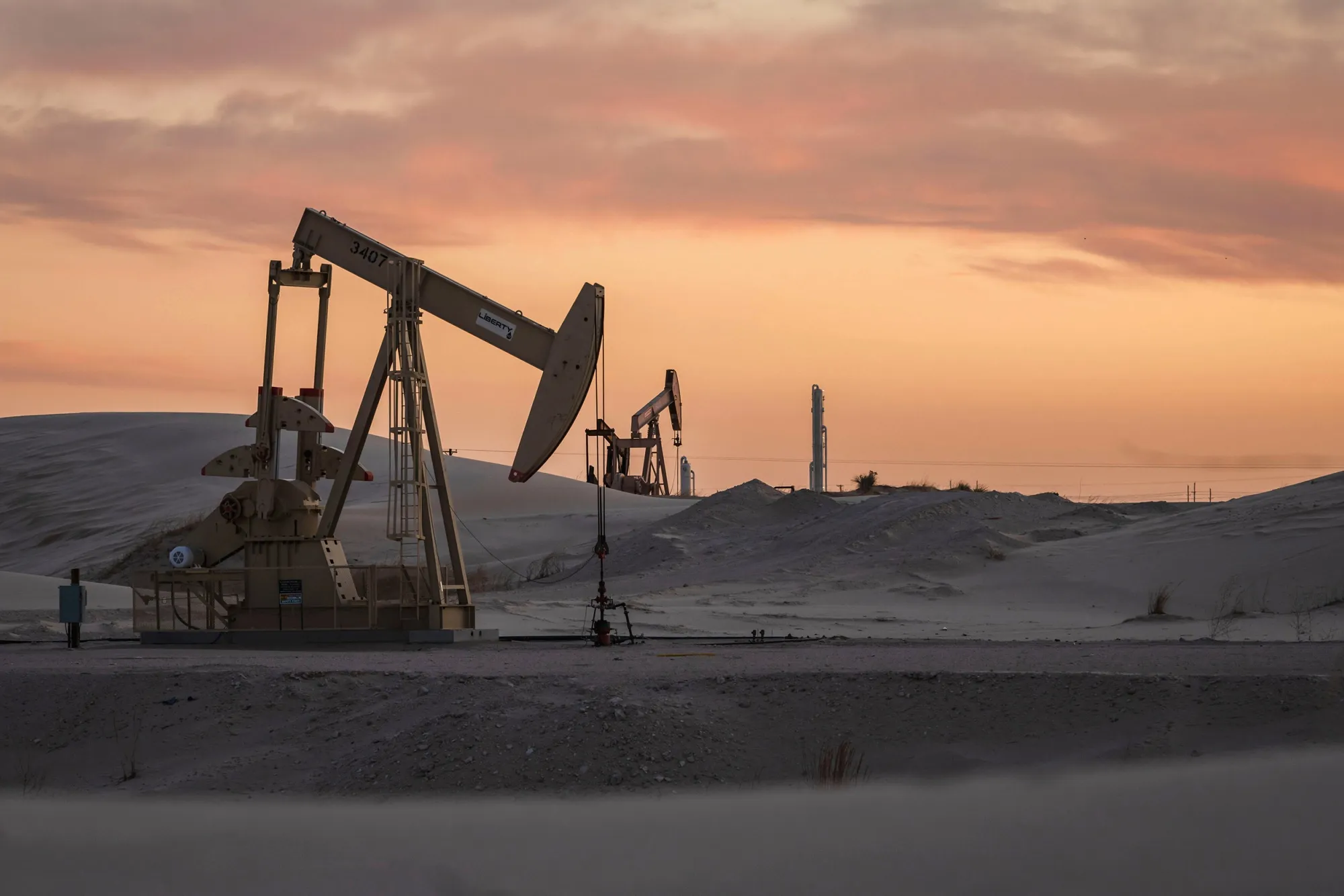
One of the most significant global concerns tied to Middle East regional instability is its impact on energy security. The Gulf region is a critical supplier of oil and gas, and disruptions could have widespread consequences.
Key maritime routes remain under close observation as tensions persist. Any threat to these routes could lead to sharp increases in energy prices and supply shortages.
Global policymakers are closely monitoring developments, recognizing the far-reaching implications of the crisis.
Public Sentiment and Business Response
Within the UAE, public awareness of Middle East regional instability is growing. While the government continues to reassure residents, businesses are taking precautionary measures.
Companies are reviewing risk management strategies and preparing for potential disruptions. International firms with operations in the UAE are also closely tracking developments.
The resilience of the UAE’s economy will be tested as the situation evolves.
Future Outlook: A Critical Turning Point
The trajectory of Middle East regional instability will depend on several key factors, including diplomatic efforts, military developments, and global responses.
Experts agree that the coming weeks will be crucial in determining whether tensions escalate further or begin to ease.
The UAE’s strategic importance ensures that it will remain at the center of this unfolding crisis.
What You Need to Know
Middle East regional instability is rising fast: Iran-linked attacks are targeting the UAE and increasing regional tensions.
Economic and energy risks are growing: Markets and oil supply concerns are driving global uncertainty.
Diplomacy vs escalation: Leaders are working to contain the crisis, but risks remain high.
