

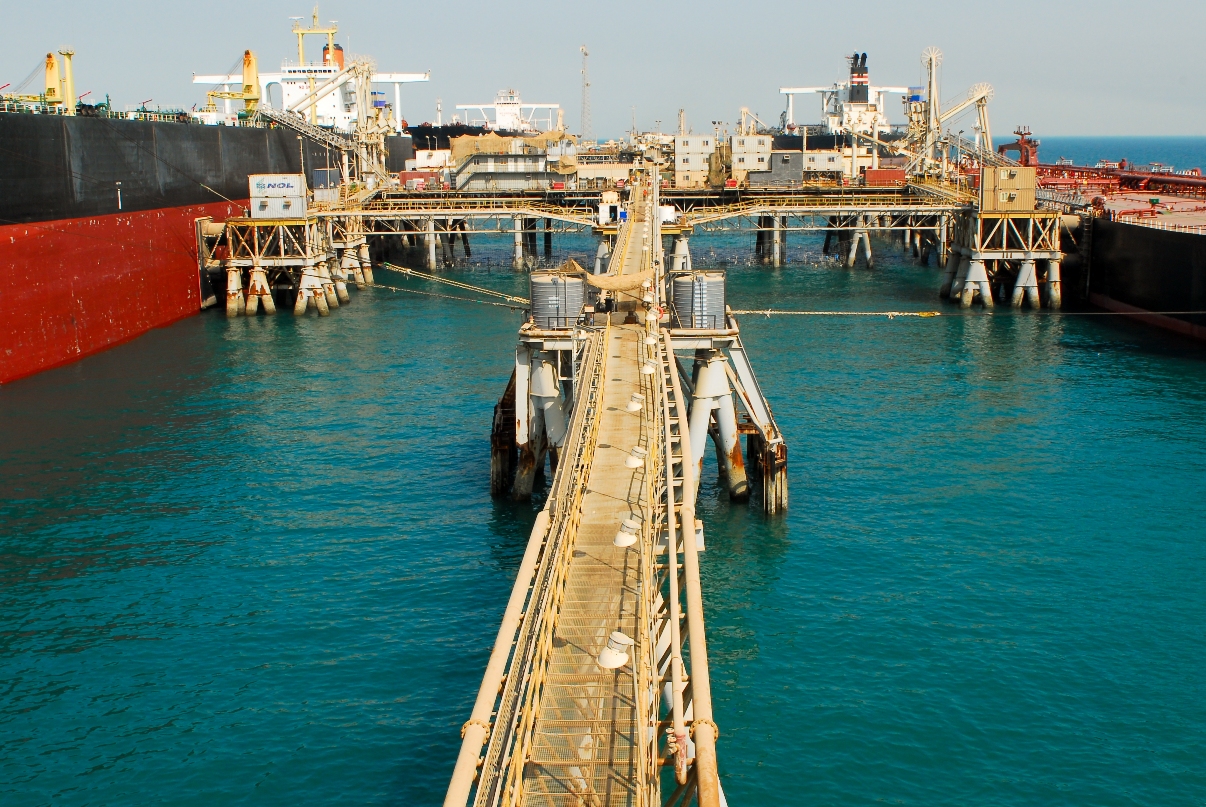
Baghdad, Iraq, April 06, 2026 (Parliament Politics Magazine) Global oil supply crisis concerns are escalating as Iraq has urged international customers to submit oil loading plans following developments tied to Hormuz exemptions, signaling mounting pressure on global energy systems and supply reliability.
The directive reflects growing caution among major oil producers as geopolitical tensions continue to cast uncertainty over one of the world’s most critical shipping corridors.
an energy analyst said.
“Planning ahead is becoming essential in a fragile environment.”
Iraq Takes Action Amid Rising Global Oil Supply Crisis
Iraq’s call for detailed loading plans underscores its effort to maintain stable exports despite increasing global risks. As one of the world’s largest oil producers, Iraq plays a critical role in balancing supply and demand.
The request is seen as a preemptive measure to ensure operational efficiency and avoid sudden disruptions that could worsen the global oil supply crisis.
Officials are focused on tightening coordination between producers, buyers, and shipping operators to ensure smoother execution of export schedules.
Strait of Hormuz at the Center of Global Oil Supply Crisis
The Strait of Hormuz remains a vital artery for global energy trade, handling a significant portion of the world’s oil shipments. Any instability in this region can immediately amplify concerns surrounding the global oil supply crisis.
Although exemptions related to Hormuz transit offer temporary flexibility, underlying geopolitical tensions remain unresolved. This creates an environment where even minor disruptions can trigger major market reactions.
Energy experts warn that the current situation reflects deeper structural vulnerabilities in global supply chains.
Market Reactions Reflect Growing Uncertainty
Financial markets are responding cautiously as news of Iraq’s directive spreads. Oil traders are factoring in potential risks associated with logistics, shipping delays, and geopolitical developments.
The global oil supply crisis narrative is gaining traction among analysts who see Iraq’s move as part of a broader shift toward risk mitigation.
a commodities strategist noted.
“This reinforces concerns that supply stability is no longer guaranteed.”
Impact on Global Buyers and Energy Companies
For oil-importing nations and energy companies, Iraq’s request introduces new challenges. Buyers must now prioritize logistical planning while reassessing exposure to regional risks.
The global oil supply crisis is forcing companies to rethink procurement strategies, diversify sourcing, and enhance operational flexibility.
Shipping firms and insurers are also adjusting to evolving risk profiles, which could lead to higher costs and stricter conditions for transport.
Geopolitical Pressures Intensify Global Oil Supply Crisis
Ongoing geopolitical tensions continue to shape energy policies across the Middle East. Iraq’s proactive approach highlights the broader trend of nations adapting to a volatile environment.
While Hormuz exemptions provide short-term relief, they do not eliminate the risks driving the global oil supply crisis.
Governments and industry leaders are increasingly focused on contingency planning, recognizing that traditional supply routes may no longer be fully reliable.
Long-Term Risks to Energy Stability
The global oil supply crisis raises critical questions about the resilience of international energy systems. As risks increase, stakeholders are exploring alternative strategies to ensure long-term stability.
These include:
- Diversifying supply chains
- Investing in infrastructure outside high-risk zones
- Strengthening international coordination
Iraq’s actions may represent an early signal of broader changes across the global energy sector.
Economic Implications of the Global Oil Supply Crisis
Energy disruptions can have far-reaching economic consequences. Rising oil prices, supply uncertainty, and logistical challenges can impact inflation, manufacturing, and consumer costs worldwide.
The global oil supply crisis is not just an energy issue—it is a broader economic concern affecting multiple industries.
Iraq’s efforts to stabilize exports are aimed at minimizing these impacts while maintaining confidence in its production capabilities.
Industry Voices Emphasize Urgency
Experts within the energy sector are highlighting the seriousness of the situation.
one senior executive stated.
“The global oil supply crisis is forcing everyone to rethink how supply chains operate.”
These perspectives reinforce the urgency surrounding Iraq’s directive.
What to Watch Moving Forward
The coming weeks will be critical in determining how the global oil supply crisis evolves. Key indicators include:
- Stability of shipping routes near Hormuz
- Policy changes from major oil-producing nations
- Trends in global oil pricing
- Adjustments by energy companies and governments
Market participants will remain highly attentive to any developments that could impact supply flows.
A Defining Moment for Global Energy Markets
The global oil supply crisis is intensifying as Iraq urges customers to submit oil loading plans, reflecting growing concern over supply disruptions linked to Hormuz conditions.
This move highlights the fragile state of global energy systems and the increasing importance of proactive planning in uncertain times.
As geopolitical tensions persist, Iraq’s strategy serves as both a precaution and a signal—underscoring the need for resilience, coordination, and adaptability across the global oil market.
