

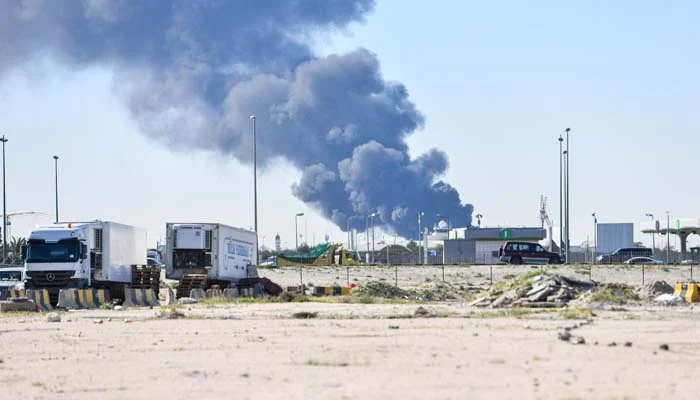
Middle East, April 07, 2026 (Parliament Politics Magazine) Middle East transport disruption is rapidly emerging as a defining consequence of escalating geopolitical tensions in 2026, as Iran suspended rail services in Mashhad following a reported threat linked to Israel.
Authorities described the move as precautionary, aimed at protecting passengers and critical infrastructure amid growing fears of targeted disruptions. The sudden halt underscores how civilian systems are increasingly caught in the crossfire of regional conflict.
A senior transportation official stated:
“Safety comes first. Suspending operations is a necessary step given the current security risks.”
Mashhad: A Critical Transportation Hub
Mashhad is one of Iran’s most vital cities, both economically and strategically. As a major transit hub, it connects key domestic and regional routes, facilitating the movement of millions of passengers and significant volumes of goods.
The Middle East transport disruption caused by the suspension has immediate ripple effects. Travelers are facing delays, cancellations, and uncertainty, while businesses reliant on consistent transport flows are experiencing operational challenges.
Rail systems in Iran are deeply integrated into national logistics. Their disruption highlights the broader vulnerabilities of infrastructure during periods of heightened tension.
Israeli Threat Triggers Preventive Measures
The decision to suspend services came after Iranian authorities cited an Israeli threat targeting infrastructure. While specific details remain limited, the response reflects a broader pattern of anticipatory security measures.
This Middle East transport disruption illustrates how perceived threats alone can lead to significant operational changes. Governments are increasingly acting preemptively to minimize risk, even in the absence of confirmed attacks.
A regional analyst commented:
“We are seeing a shift where infrastructure is protected not just from attacks, but from the possibility of attacks.”
Civilian Life Disrupted Across the Region
The immediate human impact of this Middle East transport disruption is evident in Mashhad. Thousands of passengers have been affected, with many scrambling to find alternative travel options.
Local businesses are also feeling the strain. Hotels, restaurants, and transport services are experiencing fluctuations as travel patterns change abruptly.
Residents expressed concern over the uncertainty:
“These disruptions affect everything—from work to family obligations. It’s more than just transportation.”
Growing Pattern of Infrastructure Vulnerability
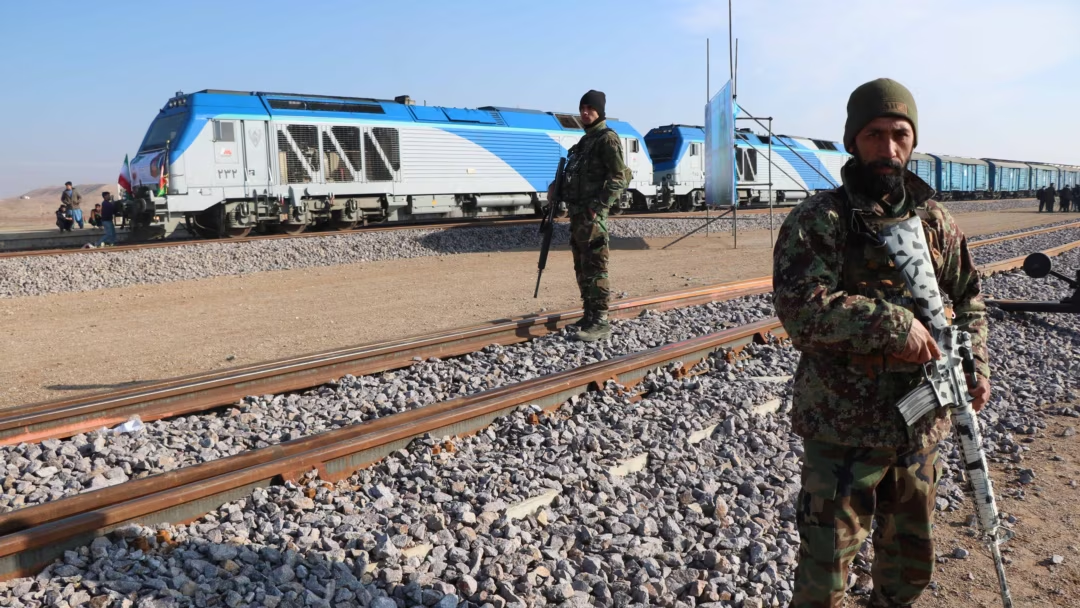
The suspension of rail services is part of a broader trend where infrastructure becomes a focal point in geopolitical tensions. Transportation systems, energy facilities, and communication networks are increasingly viewed as strategic assets—and potential targets.
The Middle East transport disruption in Mashhad reflects this evolving reality. Even without direct attacks, the threat environment alone is enough to alter normal operations.
Experts warn that such disruptions, if repeated, could have long-term implications for economic stability and public confidence.
Economic Consequences Begin to Surface
Transportation disruptions often carry economic consequences, and this situation is no exception. Delays in goods movement can affect supply chains, leading to increased costs and inefficiencies.
Mashhad’s role as a major destination for religious tourism further amplifies the impact. Reduced accessibility could lead to a temporary decline in visitor numbers, affecting local revenue streams.
Economists suggest that while short-term effects may be manageable, prolonged Middle East transport disruption could have more significant implications.
Regional Stability Under Pressure
The broader geopolitical context cannot be ignored. The suspension of rail services is a visible indicator of rising tensions between Iran and Israel, with potential implications for the entire region.
As countries navigate this complex landscape, the risk of escalation remains a constant concern. Infrastructure disruptions serve as both a symptom and a signal of deeper instability.
A security expert noted:
“When transportation systems are affected, it’s a clear sign that tensions are reaching critical levels.”
Diplomatic Efforts Face Challenges
International calls for restraint have intensified, but progress remains limited. Diplomatic channels are active, yet the pace of developments on the ground continues to outstrip negotiation efforts.
The Middle East transport disruption highlights the urgency of finding solutions that address both immediate security concerns and long-term stability.
Without effective intervention, the cycle of tension and disruption is likely to continue.
What Comes Next?
Authorities have indicated that rail services will resume once security conditions improve, but no clear timeline has been provided. In the meantime, additional protective measures may be implemented across other infrastructure sectors.
The situation remains fluid, with potential for further developments as regional dynamics evolve. Observers emphasize the importance of maintaining communication channels to prevent escalation.
Infrastructure at the Center of Conflict
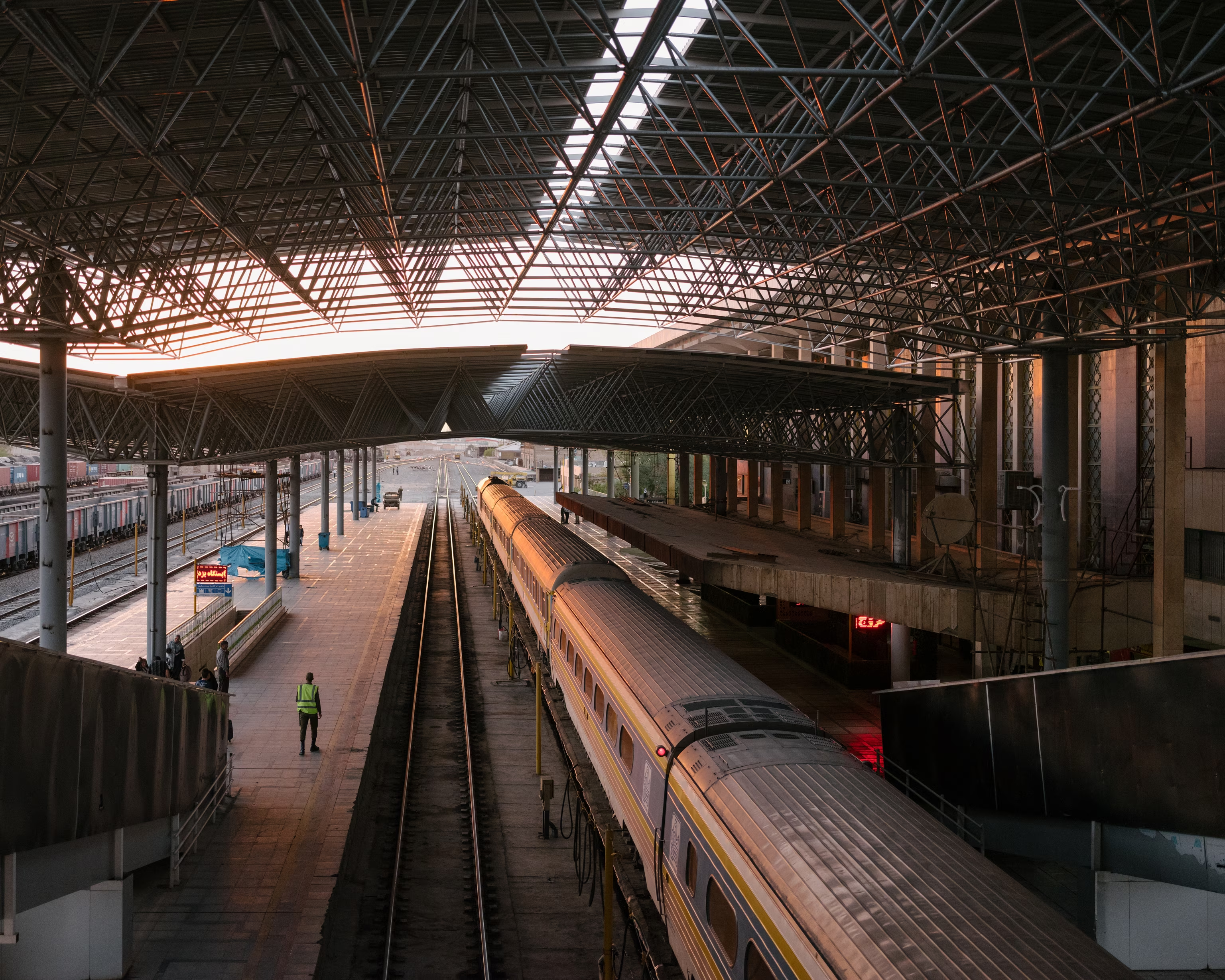
The Middle East transport disruption caused by the suspension of rail services in Mashhad represents a significant moment in the 2026 geopolitical landscape. Triggered by an Israeli threat, the move highlights the increasing vulnerability of civilian infrastructure.
As tensions continue to rise, the impact on daily life, economic activity, and regional stability becomes more pronounced. The coming days will be critical in determining whether this disruption remains temporary—or signals a deeper and more prolonged crisis.
