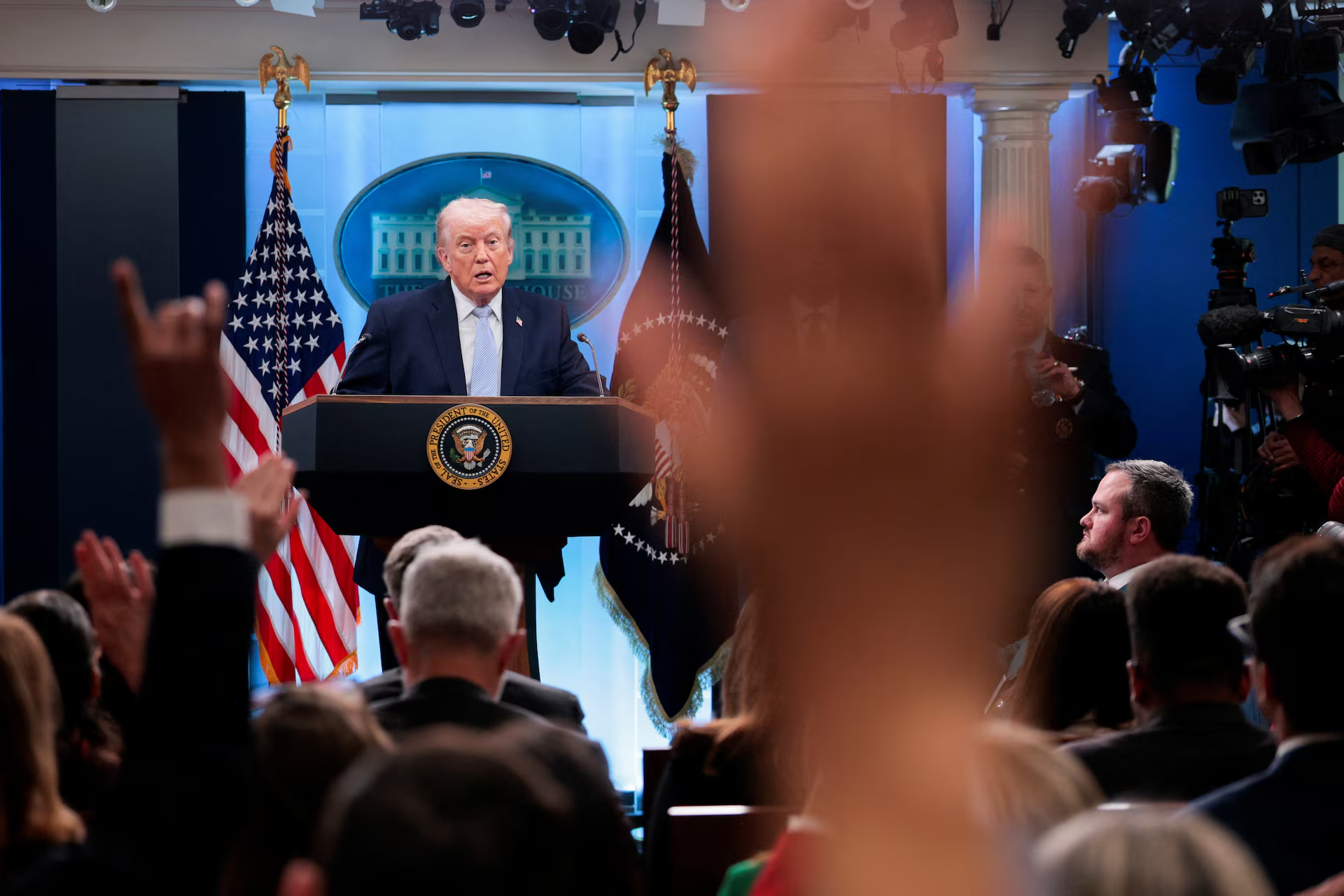
Tehran, Iran, April 07, 2026 (Parliament Politics Magazine) US Iran conflict updates indicate a dramatic escalation in rhetoric and resolve as Iranian President Masoud Pezeshkian declared his readiness to sacrifice for the nation amid intensifying war conditions.
Speaking during a period of heightened military pressure and ongoing strikes, Pezeshkian’s statement reflects the gravity of the situation facing Iran’s leadership. Reports suggest that millions of citizens have also expressed willingness to defend the country, highlighting a surge in national mobilization as the conflict deepens.
From Tehran, the message was clear: Iran is preparing for a prolonged and potentially more dangerous phase of confrontation.
A Statement That Signals Resolve Amid War Pressure
The latest US Iran conflict updates show that Pezeshkian’s remarks are being interpreted as both symbolic and strategic. His declaration of readiness to sacrifice underscores a narrative of resilience that leadership is projecting to both domestic and international audiences.
“We are prepared to stand firm, no matter the cost,”
Pezeshkian emphasized, reinforcing a message of national unity.
Analysts suggest that such statements are designed to strengthen morale while signaling to adversaries that Iran is unlikely to back down under pressure. At the same time, they may also indicate that leadership anticipates further escalation.
Escalating Conflict Reshaping Iran’s Political Landscape
US Iran conflict updates highlight a rapidly evolving political environment shaped by ongoing military operations and diplomatic breakdowns. The war, now extending beyond initial expectations, has significantly altered leadership dynamics within Iran.
Recent developments show that Iran has rejected ceasefire proposals while facing threats of expanded strikes targeting infrastructure.
Meanwhile, U.S. leadership has issued warnings of intensified military action if demands are not met, raising fears of a broader confrontation.
This environment places immense pressure on Iran’s leadership to respond decisively while managing internal stability.
Civilian Impact and Rising Human Cost
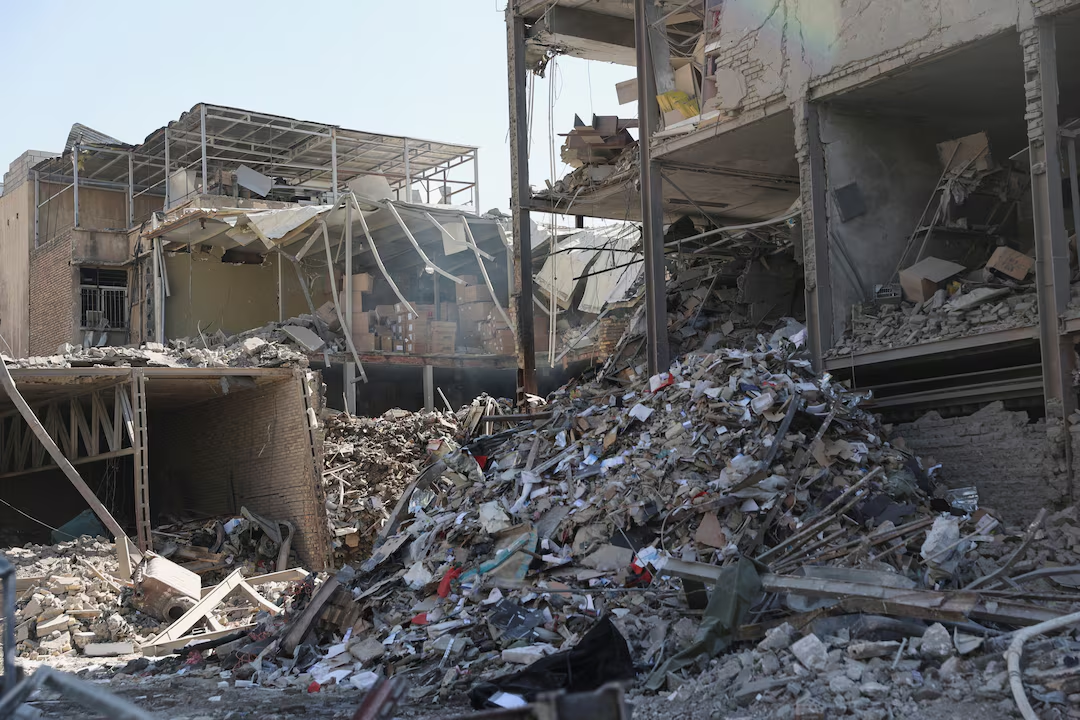
As US Iran conflict updates continue to unfold, the civilian population is increasingly affected. Reports indicate rising casualties, widespread disruption, and growing anxiety among residents.
The ongoing conflict has impacted essential services, transportation, and daily life across multiple regions. Civilians are adjusting to uncertainty, with many limiting movement and preparing for potential escalation.
A resident described the situation:
“Every day brings new uncertainty. We are living with the expectation that anything can happen.”
The psychological impact of prolonged instability is becoming a critical concern, adding another dimension to the crisis.
Global Reaction and Strategic Concerns
US Iran conflict updates have drawn significant global attention, with international leaders closely monitoring developments. The conflict’s potential to expand beyond current boundaries has raised alarms among policymakers and analysts.
Energy markets are reacting to instability in the region, particularly with disruptions affecting key supply routes. Meanwhile, diplomatic efforts continue, though progress remains uncertain.
Global observers warn that continued escalation could have far-reaching consequences, affecting not only regional stability but also global economic conditions.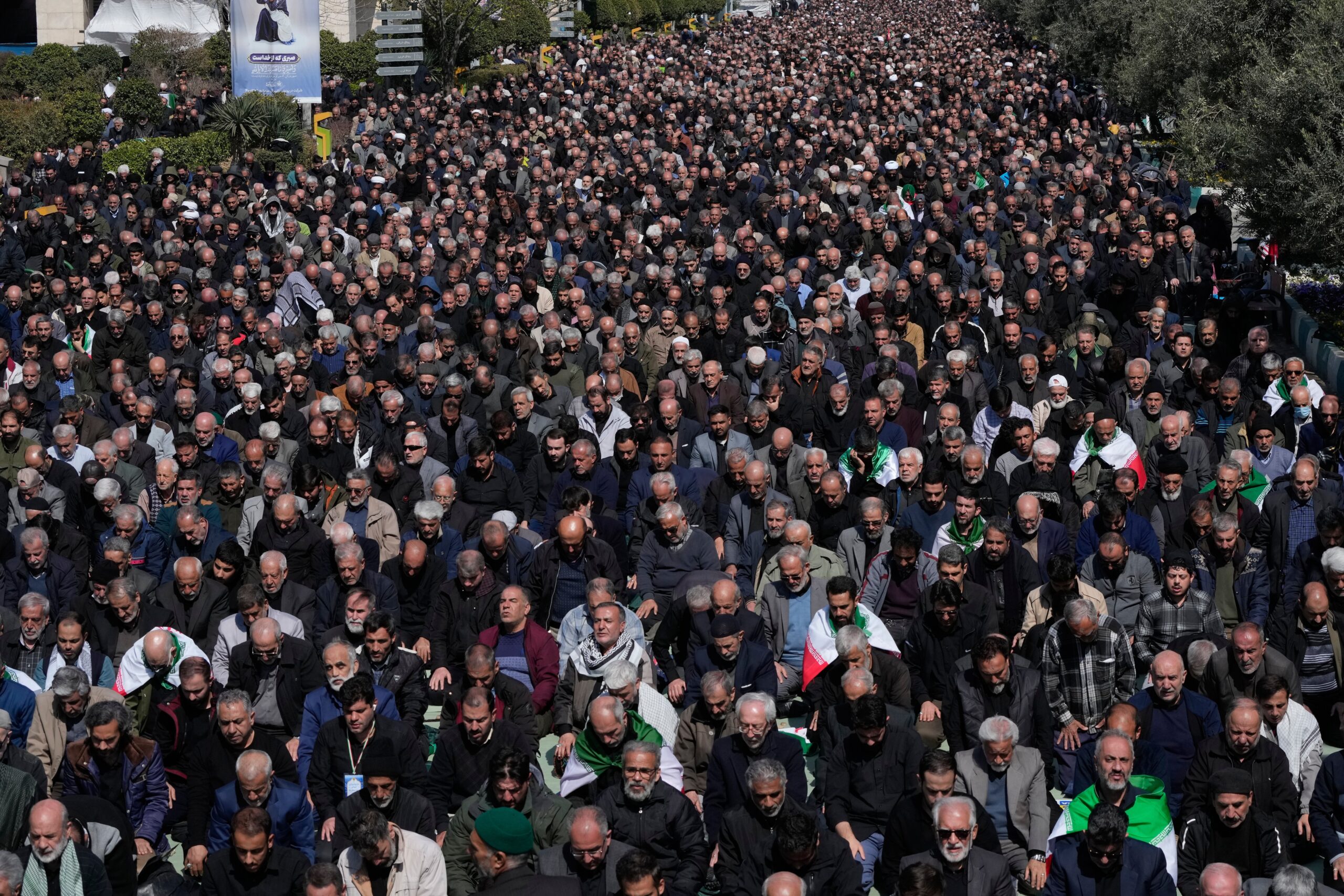
Information Warfare and Competing Narratives
Another key aspect of US Iran conflict updates is the role of information warfare. Conflicting reports, rapid news cycles, and digital narratives are shaping public perception of the conflict.
Statements from political leaders are amplified across global platforms, influencing how events are interpreted. In this environment, messaging becomes a critical tool in shaping both domestic and international responses.
Pezeshkian’s declaration is part of this broader communication strategy, reinforcing a narrative of strength and resilience.
Military Strategy and Future Risks
The US Iran conflict updates suggest that the situation remains highly volatile, with both sides maintaining firm positions. Military operations continue alongside diplomatic efforts, creating a complex and unpredictable environment.
Key concerns include:
- Increased frequency of strikes on strategic targets
- Potential expansion of the conflict to neighboring regions
- Escalation driven by retaliatory actions
These risks highlight the fragile balance between conflict and containment.
What Comes Next?
The future of the US Iran conflict updates remains uncertain. Analysts point to several possible scenarios:
- Continued escalation leading to broader regional conflict
- Prolonged stalemate with intermittent military actions
- Renewed diplomatic efforts resulting in de-escalation
Each outcome carries significant implications for global stability.